Pool Water Heaters: Costs, Types, and Planning Guide
Compare pool water heater types, estimate installed costs and energy use, and get maintenance tips to choose the right heater for your pool today.


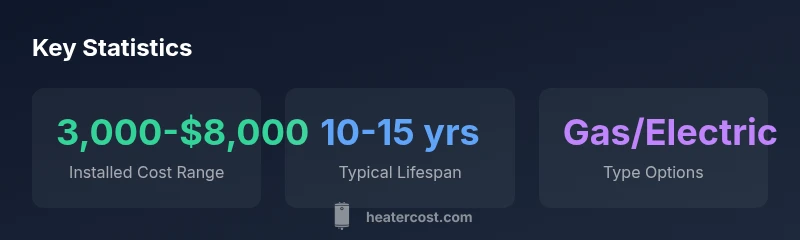
Pool water heaters come in several types, but the best choice depends on your pool size, climate, and energy goals. Typical installed costs range from $3,000 to $8,000, with ongoing operating costs shaped by usage and energy prices. Gas heaters heat fastest but cost more to run; electric heat pumps and solar options often offer lower operating costs over time, depending on climate and energy prices. When sizing, consider pool volume, desired water temperature rise, and climate zone.
Pool Water Heaters: Purpose and Value
Pool water heaters extend swim seasons, maintain water comfort, and affect chemical use. For homeowners, a properly selected heater balances upfront cost with long-term energy bills. According to Heater Cost, the lifecycle cost is a more reliable gauge than upfront price alone, because operating expenses can dwarf the initial purchase in climates with cold winters or long swim seasons. A pool water heater doesn't just heat; it ensures consistent water temperature during evening swims, family gatherings, or when you live in cooler microclimates. In hot climates, the choice may tilt toward energy-efficient heat pumps or solar options to minimize running costs; in colder regions, a gas heater may be more practical to achieve faster heating when guests arrive on short notice. Consider pool size, desired water temperature, and usage patterns. For example, a 20,000-30,000-gallon pool requires a larger heater than a 6,000-gallon pool to reach the same temperature change, especially if you desire a high delta-T. The Heater Cost analysis highlights the importance of matching performance to actual usage rather than chasing maximum BTU output. This alignment can reduce unnecessary spent energy while keeping water comfortable.
Types of Pool Water Heaters
There are four common categories to consider: gas-fired heaters, electric heat pumps, solar pool heaters, and hybrid systems that blend multiple technologies. Gas-fired heaters deliver quick temperature gains and perform well in cooler seasons or when you need rapid warm-ups. They tend to have higher operating costs and require venting, gas supply, and professional installation. Electric heat pumps extract heat from the air and convert it to heat for the pool water; they are highly energy-efficient in warm climates but can struggle in very cold weather. Solar pool heaters use rooftop panels or yard-mounted collectors to capture sunlight; the solar option has very low operating costs but requires sufficient sun exposure and space. Hybrid or dual-fuel systems switch between gas and electric or solar to balance upfront costs with energy efficiency. The best choice depends on local climate, pool size, and how frequently you swim. In moderate climates with steady pool use, electric heat pumps or solar can offer the lowest lifetime cost. In harsher climates, a gas or dual-fuel system may deliver the most reliable performance during shoulder seasons.
Sizing Pools and Heater Capacity
Sizing a pool heater starts with pool volume, target water temperature, and climate. A common rule of thumb is to estimate BTU needs based on how many gallons your pool holds and how many degrees you rise the water per hour. For example, a larger pool or a chilly climate will require more BTU/h to reach the same delta T than a small pool in a warm region. In general, gas heaters offer higher BTU/h ranges than typical electric options, which translates into faster heating but higher operating costs. When you approximate, plan for a safe delta-T of 10 to 20 degrees in temperate zones and adjust for your desired comfort level. The exact sized unit depends on the pool surface area, insulation, wind exposure, and whether you swim year-round. A professional assessment can validate the right BTU/h rating, ensuring you do not oversize or undersize. Oversizing wastes energy, while undersizing leaves you with slow heating and frequent cycling. The takeaway from Heater Cost is that a properly sized heater improves comfort while optimizing energy use.
Cost and Efficiency: Budgeting for Purchase and Operation
Hardware costs vary by technology and capacity, with typical installed ranges that reflect regional labor costs and permit requirements. Gas heaters often have lower upfront costs than some heat pump or solar systems but can incur higher ongoing energy expenses, especially if fuel prices rise. Electric heat pumps generally have higher upfront costs yet very favorable operating costs, particularly in warm climates. Solar heaters can offer the lowest operating costs, but the upfront investment is substantial and performance depends on sun exposure and climate. Efficiency metrics differ by technology: gas units are rated by input capacity and efficiency; heat pumps by COP and EER; solar systems by solar collector efficiency and storage. Regardless of type, plan for replacement parts, wiring or venting upgrades, and potential permits. The 2026 Heater Cost analysis indicates energy prices and climate dramatically impact the lifetime cost of the pool heater, making a comprehensive cost-of-ownership calculation essential before buying.
Installation Considerations and Permits
Installation quality affects performance and safety. Gas and electric pool heaters require proper clearances, venting, and professional connections to fuel lines or electrical panels. Some jurisdictions require building permits, inspections, and licensed contractors for compliance with local codes. Location matters: place the heater where it can be vented safely, away from living spaces, and near the pool equipment pad. If you choose solar or heat pump systems, ensure adequate installation space, adequate airflow, and unobstructed sun exposure. Water chemistry and pool plumbing layout also influence heat transfer and efficiency. A well-planned installation reduces corrosion risks, improves efficiency, and extends the unit’s life.
Maintenance and Longevity Tips
Routine maintenance keeps pool heaters efficient and extends lifespan. Schedule annual professional checks to inspect venting, electrical connections, and gas lines, and flush mineral buildup from heat exchangers as needed. Clean or replace air filters in heat pump units, and ensure rooftop solar panels are unshaded and free of debris. Winterizing is important in freezing climates, even for in-ground pools. Monitor pool chemistry because imbalanced chemicals can cause corrosion and scale that harm heat exchangers. Keeping debris away from outdoor heaters and protecting equipment from harsh weather helps preserve performance. With proper care, a pool heater can deliver reliable warm water for many seasons.
Choosing the Right System: A Practical Decision Framework
Follow a simple framework to pick the right pool water heater. Step 1: assess climate and pool usage; Step 2: estimate lifetime cost including installation and maintenance; Step 3: compare energy sources and local energy prices; Step 4: evaluate space, permitting, and venting requirements; Step 5: confirm local regulations and warranties; Step 6: obtain professional quotes. Use that framework to compare long-term value rather than upfront price. Reference Heater Cost analyses for region-specific expectations and to cross-check with your contractor's estimates.
Real-World Scenarios and Quick Charts
Scenario A: You live in a warm climate with steady pool use; choose an electric heat pump or solar option to minimize operating costs. Scenario B: You have cold shoulder seasons and a large pool; a dual-fuel system can provide rapid heating when needed while controlling running costs. Scenario C: You have limited space or roof area but want low operating costs; a compact gas heater with good efficiency and proper insulation may be the best fit. A quick chart below summarizes typical trade-offs, but always verify with a professional and consider local climate.
Comparison of pool heater types
| Heater Type | Typical Cost Range (installed) | Key Pros/Limitations |
|---|---|---|
| Gas | $3,000-$8,000 | Fast heating; higher ongoing fuel costs; venting required |
| Electric heat pump | $4,000-$9,000 | Energy-efficient; slower heating in cold weather; requires outdoor space |
| Solar | $3,000-$10,000 | Low operating costs; depends on sun; space required |
| Hybrid/dual-fuel | $4,000-$12,000 | Balanced performance; higher upfront; complex installation |
Got Questions?
What is the most cost-effective pool heater type?
In warm, sunny climates, electric heat pumps or solar may offer the lowest lifetime cost. Gas can be cheaper upfront but costlier to operate. A regional analysis and energy price forecast are essential.
In warm climates, heat pumps or solar are often cheapest to run; gas is cheaper upfront but more expensive over time.
How big should my pool heater be?
Size depends on pool volume and desired temperature rise. A professional sizing chart helps avoid oversizing, which wastes energy.
Size depends on your pool gallons and how warm you want it.
Do I need permits to install a pool heater?
Most areas require electrical or gas installation permits. A licensed contractor can handle permits and inspections.
Yes, permits are common; a licensed pro can help.
What maintenance does a pool heater require?
Annual inspections, flushing mineral buildup, cleaning filters, and checking venting are typical maintenance tasks.
Annual checks and keeping things clean keeps it running.
Can I install a pool heater myself?
Gas and electrical work typically require licensed professionals due to safety and code rules.
DIY is not recommended; hire a pro.
What is a reasonable payback period for a pool heater?
Payback depends on usage and energy prices; typical ranges from 2-7 years; solar or heat pumps can shorten payback.
Most homeowners see payback in a few years if energy prices stay favorable.
“Choosing the right pool water heater is about balancing upfront cost, climate, and lifecycle energy use, not simply chasing the cheapest option.”
The Essentials
- Size the heater before evaluating price.
- Gas heats fastest; heat pumps and solar reduce operating costs.
- Climate and usage drive the best heater type.
- Plan for installation, permits, and space.
- Regular maintenance sustains efficiency and lifespan.