Pools Heater Costs: A Data-Driven Guide for 2026
Understand upfront and operating costs for a pools heater, compare electric, gas, and heat pumps, and learn installation tips to maximize long-term savings.


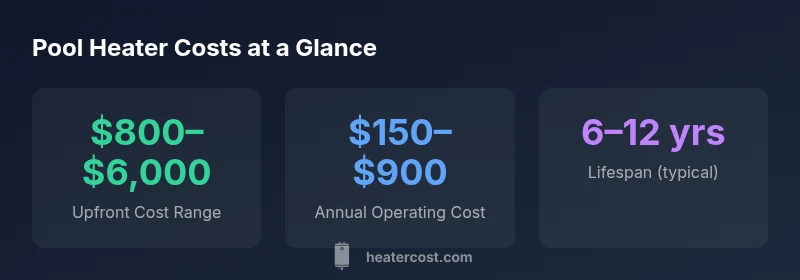
Typical upfront costs for a pools heater range from $800–$2,000 for electric models, $2,000–$6,000 for gas heaters, and $3,000–$8,000 for heat pumps, excluding installation. Operating costs depend on climate, usage, and efficiency; in warmer regions a heat pump often saves more over time. Always factor permits and upgrades into the total price.
Cost landscape for pool heaters
When evaluating options for a pools heater, homeowners quickly notice the wide spread between electric, gas, and heat pump models. Upfront price is only part of the story; installation costs, electrical or gas line work, and any necessary switching gear influence total expense. For a typical residential pool, a new electric heater may cost less upfront than a gas heater or a heat pump, but operating costs can differ drastically. A pools heater with different fuels carry different performance characteristics: electric resistance units are simplest, gas units heat faster but run on fuel, and heat pumps extract heat from the ambient air, delivering higher efficiency in mild climates. The exact price depends on pool size, desired water temperature, existing electrical capacity, and whether additional equipment like circulation pumps or insulation upgrades are needed. In some regions, permitting and inspections add several hundred dollars to the total. Consider total cost of ownership, not just sticker price, when budgeting.
How energy costs influence operating expenses
Energy costs are the largest long-term consideration when budgeting for a pools heater. Electric resistance heaters typically incur higher energy use than heat pumps in mild to moderate climates, while gas heaters can appear cheaper to run in very cold seasons. The operating cost depends on local electricity and gas rates, pool size, how often you heat, and desired water temperature. For homeowners in warm, sunny regions, heat pumps may offer the best balance of upfront cost and ongoing savings because they move heat instead of generating it directly. In colder climates, gas or electric options with backup resistance elements might be needed for consistent temperatures. To forecast your annual energy bill, estimate your pool’s gallons, target temperature, your climate zone, and the heater’s rated efficiency. This helps translate the abstract efficiency rating into real dollars spent per season.
Choosing the right pool heater for climate and pool size
Selecting a pools heater involves matching heat delivery to climate and pool metrics. For small, warm-season pools in temperate zones, a heat pump can deliver excellent annual savings due to high efficiency, provided you heat consistently during mild months. In cooler regions or for pools used sporadically, gas heaters may offer reliable performance without extended running times, though operating costs rise with fuel prices. Electric resistance heaters are simple and inexpensive to install but generally cost more to run over the long term. Pool size matters: larger volumes require higher heat output; undersized heaters waste energy and oversize creates unnecessary upfront costs. Consider insulation level, cover use, and desired temperature range. Finally, weigh total cost of ownership, warranty terms, and the contractor’s qualifications when choosing.
Installation, permits, and long-term savings
Installing a pools heater typically requires licensed electricians or plumbers, depending on fuel type and local codes. Permits may be required for electrical work, gas line modifications, or significant electrical upgrades, adding to the project timeline and cost. A professional installation ensures proper venting (gas), electrical clearance, and correct thermostat configuration to avoid overheating. The long-term savings come from not only the heater’s efficiency but also from proper sizing and installation that minimizes heat loss. Ask for a written energy performance estimate and a maintenance plan that aligns with your climate and pool usage. With smart scheduling and a cover, the annual energy draw can be substantially reduced, translating into meaningful savings over the heater’s life.
Maintenance and lifecycle considerations
Regular maintenance extends the life of a pools heater and sustains efficiency. Schedule seasonal checks, clean filters, inspect connections, and test the thermostat and safety switches. Keep the area around the unit clear of debris and ensure proper clearance for ventilation (especially for gas models). The maintenance cost is relatively modest but key to avoiding costly breakdowns during peak usage. Consider a service contract if you rely heavily on your pool in shoulder seasons. A well-maintained heater not only lasts longer but also operates more efficiently, delivering predictable energy costs year after year.
Overview of pool heater types and costs
| Heater Type | Typical Upfront Cost Range | Annual Operating Cost Range | Efficiency (COP/EF) |
|---|---|---|---|
| Electric Pool Heater | $800–$2,000 | $300–$700 | COP 1.0–1.3 |
| Gas Pool Heater | $2,000–$6,000 | $400–$1,200 | EF 0.85–0.95 |
| Heat Pump Pool Heater | $3,000–$8,000 | $150–$450 | COP 3.0–5.0 |
Got Questions?
What is the typical upfront cost to install a pools heater?
Upfront costs vary by fuel type and installation complexity. Electric heaters are usually cheaper to install than gas or heat pumps, but installation ladders and permits can add to the total. Always get a detailed quote that itemizes equipment, electrical work, and any venting or gas line work.
Upfront costs depend on fuel and installation; electric is often cheaper to install, but expect add-ons for permits and wiring. Get a detailed quote.
Is a heat pump more cost-effective than a gas heater in a warm climate?
In warm climates, heat pumps typically offer lower operating costs due to high efficiency, though higher upfront costs may balance out over time. Gas heaters can heat quickly but have higher fuel costs. Compare long-term energy use and climate suitability.
Yes, in warm climates heat pumps usually save more on energy in the long run, though upfront costs matter.
How does pool size affect heater choice?
Larger pools require higher heat output and often larger equipment, which affects upfront cost and operating efficiency. Smaller or well-insulated pools may perform well with smaller, more efficient units. Always size based on gallons, desired temp, and climate.
Pool size determines heat output and cost—size carefully to optimize performance.
Do permits affect installation time and cost?
Permits can add time and expense, especially for electrical or gas work. A licensed contractor should handle permitting to ensure compliance and maintain warranties. Plan for inspection delays in the project timeline.
Permits add time and cost; licensed pros handle them for compliance.
What maintenance does a pool heater require?
Annual or semi-annual checks cover thermostat testing, electrical connections, venting (gas), and cleaning heat exchangers. Keeping filters clean and ensuring proper water chemistry helps protect components. Budget a modest annual maintenance cost.
Regular checks and cleaning keep your heater reliable and efficient.
How long does a pool heater typically last?
Lifespans vary by type and maintenance, typically ranging from several to over a decade. Heat pumps tend to have longer service life with proper care, while gas units may require more frequent service in harsh climates.
With good maintenance, many pool heaters last many years; heat pumps often outlast gas units.
“Choosing a pools heater is not just about the sticker price; it’s about long-term energy efficiency and reliable comfort.”
The Essentials
- Compare total cost of ownership, not upfront price
- Heat pumps excel in moderate climates for long-term savings
- Hire licensed pros to handle permits and installation
- Use scheduling and pool covers to cut energy use