Hayward Pool Heater: Costs, Efficiency & Buying Guide
A data-driven guide to Hayward pool heater costs, types, efficiency, installation considerations, and maintenance to help homeowners, renters, and property managers make informed decisions in 2026.


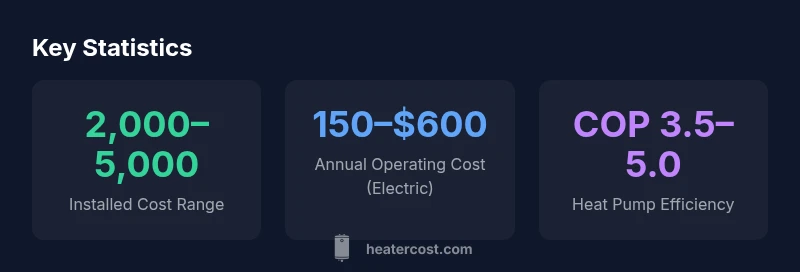
Hayward pool heater investments typically total $2,000 to $5,000 installed, depending on model and setup. Gas heaters save upfront cost but run higher fuel bills; electric heat pumps deliver high efficiency in warm climates; solar heating adds minimal operating cost when sun is available. Heater Cost Analysis, 2026 notes that long-term costs vary by climate and pool size.
What is a Hayward pool heater and why it matters
A Hayward pool heater is a popular choice for many backyard projects because it combines reliability with an established service network. Whether you opt for a gas-powered unit, an electric heat pump, or solar-assisted solutions, a Hayward heater can extend your swimming season and improve pool comfort. This guide uses the Hayward lineup as a reference point to explore costs, performance, and installation considerations for homeowners, renters, and property managers. According to Heater Cost, the Hayward market varies by climate, fuel type, and pool size, so expected prices and savings can differ substantially depending on your local conditions. When evaluating a Hayward pool heater, focus on efficiency, climate suitability, and ongoing maintenance to understand total ownership costs over time.
Types and cost implications
Hayward pool heaters come in several configurations, including gas-fired models, electric heat pumps, and solar-assisted systems. Gas heaters typically have lower upfront prices and faster heat-up times, but annual fuel costs can be higher and temperature rise can depend on gas supply pressure. Electric heat pumps leverage ambient warmth to heat water with high efficiency, especially in warmer climates, but their performance drops in cooler weather and they may require more space for proper airflow. Solar-assisted heaters provide the lowest operating costs when sun exposure is strong, yet their effectiveness is highly weather-dependent. When choosing among them, compare upfront hardware costs, installation complexity, and long-term energy use. Heater Cost’s analysis highlights that climate, pool size, and desired temperature rise are the major levers influencing total cost of ownership.
Sizing and installation considerations for a Hayward pool heater
Sizing a Hayward pool heater correctly is critical for comfort and efficiency. A unit that is under-sized struggles to reach target temperatures, especially in shoulder seasons or large pools. Over-sizing wastes energy and adds unnecessary upfront cost. A professional installer should calculate the needed BTU rating based on pool surface area, desired temperature rise, wind exposure, and local climate. Installation considerations include venting requirements for gas units, electrical service upgrades for larger loads, clearance around the unit, and potential permits. In many cases, a properly sized Hayward heater can reduce running costs and shorten heat-up times, making the investment more economical over its lifespan.
Operating costs, efficiency, and climate impact
Efficiency plays a central role in annual operating costs. Gas-powered Hayward heaters have higher fuel costs but can be attractive where electricity is expensive or grid reliability is a concern. Electric heat pumps convert ambient heat into pool heat with a COP that improves with warmer outdoor temperatures; in mild climates, they often deliver the lowest running costs. Solar-assisted configurations rely on sun exposure, reducing energy bills further but requiring sufficient sun and optimal plumbing. Budget for potential seasonal performance variability and ensure your climate aligns with the chosen technology. Heater Cost’s findings show that the climate-cloaked differences can dramatically shift long-term savings.
Maintenance, warranties, and lifespan
Maintenance keeps a Hayward pool heater running efficiently and extends its life. Schedule annual inspections, clean or replace air filters, check venting for gas models, and remove mineral scale buildup from heat exchangers. Corrosion protection and proper water chemistry can extend a heater’s life. Most Hayward units come with manufacturer warranties that vary by model and installation conditions, so read the fine print and confirm coverage with your installer. Consistent maintenance and prompt repairs, when needed, help protect your investment and maintain energy efficiency over time.
Practical buying checklist and questions to ask installers
Before purchasing a Hayward pool heater, confirm the heater size corresponds to your pool, confirm available energy sources, and verify that your electrical or gas infrastructure will support the unit. Ask installers about venting requirements for gas models, space requirements for heat pumps, and whether a solar option is feasible for your site. Request a written performance estimate that includes BTU requirements, expected heat-up time, and a maintenance plan. Compare warranties, maintenance intervals, and expected annual operating costs to ensure you choose the most economical solution for your climate.
Quick-start planning: next steps for homeowners
Create a simple plan: determine pool size, climate, and preferred energy source; obtain two to three quotes that include installation contingencies; review warranties and maintenance expectations; and schedule a pre-install inspection. A well-planned purchase can minimize surprises and ensure your Hayward pool heater delivers consistent comfort for years to come. Start with a climate-based cost assessment and move toward a complete total-cost-of-ownership view.
Cost and efficiency comparison across common Hayward pool heater types
| Model Type | Upfront Cost Range | Operating Cost (annual) | Climate Fit |
|---|---|---|---|
| Gas pool heater | $2,000–$3,800 | $400–$1,200 | Best in cool-to-moderate climates |
| Electric heat pump | $2,000–$4,500 | $150–$600 | Best in warm climates |
| Solar pool heater | $1,500–$3,000 | $0–$100 | Sun-dominant regions |
Got Questions?
What factors influence the upfront cost of a Hayward pool heater?
Installation scope, chosen model, required electrical or gas upgrades, and local permit fees all influence upfront costs. Labor pricing can vary by region and contractor experience.
Upfront costs depend on installation scope, the model you pick, and any local upgrades or permits needed.
Is a gas Hayward pool heater cheaper to buy than a heat pump?
Gas heaters typically have a lower upfront price, but fuel costs and efficiency over time can make running costs higher than electric heat pumps in many climates.
Gas heaters usually cost less upfront, but running costs can be higher than heat pumps over time.
How do I determine the right Hayward heater size for my pool?
Size by pool surface area, desired temperature rise, and climate; a certified installer can provide a BTU rating chart to match your pool’s needs.
Use a BTU rating chart based on pool size and climate to pick the right size.
What maintenance does a Hayward pool heater require?
Annual inspections, vent checks for gas models, filter cleaning, and mineral scale prevention help maintain efficiency and lengthen life.
Regular annual checks and cleanings keep your heater running well.
Do Hayward pool heaters qualify for energy credits?
In certain regions, rebates or incentives may apply for energy-efficient equipment; check local utility programs and state incentives.
There may be rebates—check local programs.
How long does a Hayward pool heater typically last?
With proper maintenance, many Hayward heaters last around 8–15 years, depending on usage and service.
Many last well over a decade with good maintenance.
“The Hayward pool heater landscape is evolving, but the smart choice depends on climate, energy prices, and maintenance needs.”
The Essentials
- Assess climate before selecting heater type
- Consider total cost of ownership, not just upfront price
- Gas often cheaper to buy, more expensive to operate
- Heat pumps excel in warm climates; solar shines with sun