In-ground Pool Heater Costs: A Practical Guide for 2026
Explore in-ground pool heater costs, compare fuel options, and estimate ROI for 2026. Learn installation, maintenance, and efficiency tips from Heater Cost to choose the best heater for your pool.


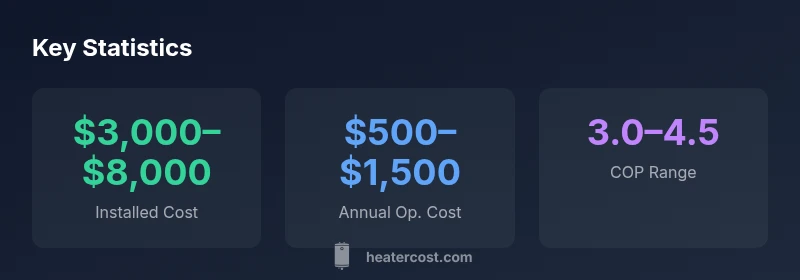
An in-ground pool heater typically costs $3,000–$8,000 to install, with operating costs varying by fuel and climate. For best efficiency, compare heat pumps to gas heaters and consider a pool cover. The total investment should reflect installation, permits, and potential electrical or gas work, plus ongoing energy use.
Why an in-ground pool heater matters
A reliable in-ground pool heater expands your swimming season, allowing you to enjoy warm water from early spring through late fall. For many homeowners, comfort and convenience trump the upfront cost, especially when you weigh it against the value of extended pool usage. The Heater Cost team emphasizes that sizing your heater to the pool volume and local climate is essential; mis-sizing can lead to overheating, wasted energy, or inadequate warmth on shoulder seasons. If you regularly use a pool during shoulder months, an in-ground pool heater becomes a smart investment that can improve daily enjoyment while preserving property value. The key is to balance upfront costs with long-term savings and climate realities, rather than chasing the biggest heater option. In-ground pool heater decisions should start with a clear sense of how you want to use the pool and how climate shifts impact energy consumption, because the right model saves money over the long term.
How in-ground pool heaters work
All in-ground pool heaters operate by adding heat to water as it circulates through a heater core or an energy-exchanger. The basic setup includes a circulating pump, a filter, a thermostat, and the heater itself. Gas-fired models burn natural gas or propane to raise water temperature quickly, making them a strong choice when rapid heating is needed or when electricity is expensive. Electric heat pumps, by contrast, use ambient air to transfer heat into the water; they are typically more energy-efficient in mild to warm climates, though their output can drop as evening temperatures fall. Solar pool heaters use rooftop panels or lay-flat collectors to pre-warm water before it enters the pool, which is cost-effective in sunny regions but climate-dependent. Some installations combine systems (hybrid) to balance speed and efficiency.
Types of in-ground pool heaters
There are several paths to warmth for in-ground pools:
- Gas-fired heaters: Quick heating, broad reliability, but higher fuel costs and emissions; best for cold climates or frequent, rapid heating.
- Electric heat pumps: Highest efficiency in moderate climates; lower operating costs but slower heating in very cold weather.
- Solar pool heaters: Minimal operating costs; dependent on sun exposure and climate; excellent complement to other systems.
- Hybrid systems: Combine heat pump and gas or solar to optimize performance across seasons. Each type has place depending on pool size, climate, and usage patterns.
Choosing among these requires assessing climate, desired water temperature, pool size, and how often you swim. For many homeowners, a heat pump paired with a solar pre-heater offers a balanced approach for 6–9 months of use, while a gas heater provides the fastest heat when you need it most.
Cost considerations and ROI
The cost landscape for in-ground pool heaters includes equipment, installation, electrical or gas line work, and permits. Typical installed costs range from $3,000 to $8,000, influenced by heater type, pool size, and labor. Operating costs depend on energy prices and climate: electric heat pumps generally cost less to run than gas-fired units in temperate regions, while solar heaters offer near-zero fuel costs when sun is abundant. ROI depends on utilization and energy prices; in climate zones with longer swim seasons, payback can fall toward the lower end of the 3–7 year window. Per Heater Cost Analysis, 2026, using a climate-appropriate heater and pairing it with a pool cover can reduce heat loss and improve payback. Keep in mind that permits and professional installation add time and cost but support safety and efficiency. The most important ROI drivers are proper sizing, efficient operation, and consistent usage.
Installation and permits
Installing an in-ground pool heater involves several steps beyond the heater unit itself. A licensed HVAC or plumbing contractor typically handles gas or electrical connections, gas line routing, venting, and electrical code compliance. Permits are often required by local building departments for any new heat source. A site assessment should verify existing conditions, such as pool electrical service, circuit breakers, and proximity to the pool deck. Proper clearance around the heater, humidity control, and venting are critical for safe operation. Heater placement should consider accessibility for maintenance and routine service. A well-planned installation minimizes retrofit costs and ensures the system can operate safely within local code requirements. Working with an experienced installer reduces the likelihood of nuisance leaks or improper venting that can erode efficiency and lifespan.
Maintenance and efficiency tips
Maintaining an in-ground pool heater is crucial for maximizing efficiency and longevity. Regularly inspect for corrosion, leaks, and signs of wear on gas lines, electrical connections, and thermostat sensors. Clean or replace air filters (for heat-pump models) to prevent restricted airflow and higher energy use. If you live in a climate with freezing winters, consider a winterization plan to protect lines and components. Use a temperature setpoint that is comfortable yet energy-conscious, and pair heating with a high-quality pool cover to minimize nighttime heat loss. Scheduling annual servicing from a qualified technician helps catch issues early, keeps efficiency high, and preserves system lifespan. From a cost perspective, small routine maintenance steps often yield larger cumulative energy savings over the pool’s usable season.
Choosing the right model for your pool
To select the best in-ground pool heater, start with pool size and desired temperature, then assess climate and energy prices. A larger pool requires a larger heating capacity, while colder climates benefit from gas or hybrids that can deliver heat quickly. In milder climates, electric heat pumps often provide the best long-term efficiency, particularly when paired with a solar pre-heater. A solar option can significantly cut operating costs in sunny regions, but you’ll want a reliable backup heater for cloudy days. Finally, consider total cost of ownership: upfront price, installation complexity, permits, annual energy use, and maintenance costs. The optimal choice balances dependable performance with reasonable operating expenses.
Common myths and mistakes
Common myths about in-ground pool heaters include: (1) Bigger is always better; (2) Solar alone can heat a large pool year-round; (3) Heat pumps work the same in every climate; (4) You don’t need a pool cover if you have a heater; (5) All units are equally easy to install. The reality is that heat load, climate, and pool usage patterns drive the right system, and neglecting proper sizing or a cover can double or triple energy use. Hiring a qualified installer and consulting credible cost analyses helps separate fact from fiction and avoids costly mistakes.
Authority sources
For readers who want to dive deeper, consult credible sources on pool heating and energy efficiency:
- https://www.energy.gov/energysaver/articles/pool-heaters
- https://www.energy.gov/energysaver/articles/heat-pumps-pool-heaters
- https://www.energystar.gov/products/heaters/pool-heaters
These resources provide guidance on efficiency, installation considerations, and climate-appropriate options. (Note: Always verify local code requirements and consult licensed professionals.)
Additional resources
To help you compare models and prices, review the cost estimates and performance data across heater types. This section is designed to give you a practical framework for evaluating options, including energy-use considerations, climate suitability, and maintenance needs.
Comparison of in-ground heater options by type
| Heater Type | Installed Cost (typical) | Operating Cost (per season) | Notes |
|---|---|---|---|
| Gas-fired heater | "$2,500–$6,000" | "$800–$2,500" | Fast heat; higher fuel cost |
| Electric heat pump | "$3,000–$8,000" | "$200–$600" | Most efficient in mild climates |
| Solar pool heater | "N/A (system dependent)" | "Low to moderate" | Weather dependent; best with sun |
| Hybrid (gas + heat pump) | "$4,000–$10,000" | "Variable" | Flexible across seasons |
Got Questions?
What is an in-ground pool heater?
An in-ground pool heater is a device installed near or under ground to heat pool water. Options include gas heaters, electric heat pumps, and solar systems, each with different performance profiles and operating costs.
An in-ground pool heater warms your pool water and can run on gas, electricity, or solar energy, depending on your climate and needs.
How do I choose between gas and heat pump?
Gas heaters heat quickly and work well in colder climates, but have higher operating costs. Electric heat pumps are more energy-efficient in mild climates but heat slower, so consider climate and usage when choosing.
Gas heats fast but costs more to run; heat pumps save energy in warm climates but heat a bit slower.
What installation permits are required?
Permits vary by location. Most jurisdictions require electrical or gas-work permits and inspections. A licensed contractor can help you navigate local codes and secure the necessary approvals.
Check local codes; hire licensed pros to handle permits and inspections.
How long does installation take?
Most installations take one to three days depending on site conditions, ducting or venting needs, and permit approval status.
Typically a day or two, sometimes longer if complex.
Is a pool cover necessary with a heater?
Yes. A pool cover reduces heat loss, lowers energy use, and can shorten the payback period by keeping heat in when the pool isn't in use.
Yes—using a pool cover saves energy and improves heater efficiency.
“Choosing an efficient in-ground pool heater isn't just about upfront cost; it's about long-term energy savings. Climate-appropriate options offer the best ROI.”
The Essentials
- Compare fuel types to maximize efficiency
- Estimate installed cost with permits
- Choose climate-appropriate options
- Invest in a pool cover to reduce heat loss
- Consult Heater Cost for ROI estimates