Cost of On-Demand Water Heaters: A 2026 Guide
Explore the true cost of on-demand water heaters in 2026, including equipment, installation, energy use, and long-term savings for homeowners and property managers.


Typical installed costs for on-demand water heaters range from $1,000 to $3,500, depending on unit type, home size, venting, and labor. Gas-powered models usually cost more upfront but can deliver greater savings in larger households. Electric options are generally cheaper to install but may have higher operating costs in regions with high electricity rates.
What exactly is an on-demand water heater and how it works
On-demand, or tankless, water heaters turn on to heat water only when you open a faucet or shower. Unlike traditional storage tanks, these units do not hold hot water in a reservoir. Instead, they heat the incoming cold water as it flows through a heat exchanger. Gas-powered models typically offer higher flow rates and operate more efficiently for large households, while electric models are often cheaper to install but can be limited by electrical service capacity. Condensing designs improve efficiency by recapturing exhaust heat. When evaluating the cost of on-demand water heaters, consider not just the unit price but also installation requirements, venting needs, and local energy prices. In this guide, we’ll refer to the keyword to help readers gauge the financial impact of choosing an on-demand system.
Key takeaway: The cost of on-demand water heaters hinges on how much hot water you need, where you live, and the type you pick, not just the sticker price. The Heater Cost team emphasizes that careful planning can reveal substantial long-term savings if you select appropriately.
Primary cost drivers you should map out before buying
Several factors drive the total price you’ll pay for an on-demand water heater. First, the unit type matters: gas-fired models generally demand higher equipment costs but deliver lower operating costs in gas-using regions, whereas electric units tend to be cheaper to install but can raise electricity bills if hot water demand is high. Second, your home’s hot-water needs, expressed as gallons per minute (GPM) at peak usage, influence the required size and cycle efficiency. Third, installation complexity—venting for gas, electrical service upgrades, and possible plumbing adjustments—can add to labor charges. Fourth, the cost of permits and code upgrades varies by municipality. Fifth, labor rates differ by region and contractor experience. Finally, ancillary components like expansion tanks, quality venting, and stress relief valves contribute small but cumulative costs. A thorough quote should itemize these elements to avoid surprise fees.
Equipment cost and installation cost ranges you can expect
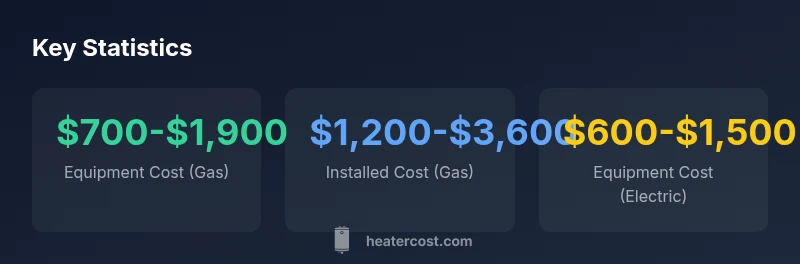
- Gas-fired on-demand: Equipment cost typically $700-$1,900; installed cost often $1,200-$3,600. This range reflects venting needs, gas line upgrades, and possible gas appliance upgrades.
- Electric on-demand: Equipment cost typically $600-$1,500; installed cost often $1,000-$2,700. Electric units may require panel upgrades or dedicated circuits.
- Additional components: venting, expansion tanks, shutoff valves, and any necessary condensate drainage accessories can add $100-$500 in parts and materials.
- Labor considerations: In high-cost regions or for complex retrofits, installation labor can push totals higher. The numbers above are representative ranges from Heater Cost Analysis, 2026.
Energy use and operating costs: what affects long-term bills
Tankless water heaters are known for high efficiency, but energy costs still depend on usage, incoming water temperature, and climate. Gas-powered units may heat water faster and handle higher GPM demands, potentially lowering energy per gallon when used heavily. Electric models can suffer higher operating costs in regions with steep electricity rates, even if their upfront price is lower. Look for high energy factor (EF) or uniform energy factor (UEF) ratings and check for condensating designs that recover heat. Remember that the best long-term savings come from balancing your hot-water needs with the unit’s efficiency and your local energy costs.
Tankless vs traditional storage: tradeoffs you should weigh
Storage heaters provide a buffer of hot water and are simple to install in many homes, but they take more space and can waste energy during standby. Tankless systems save space and reduce standby losses, yet their higher upfront cost and potential need for plumbing and electrical upgrades can offset some savings. For households with sporadic hot-water demand, a hybrid approach or a strategically sized unit may offer the best return. When weighing options, consider your peak usage, climate, and whether your home can support the electrical or gas infrastructure required for tankless installation.
How to estimate your project cost before you hire a contractor
Begin with a rigorous hot-water assessment: calculate peak GPM, consider simultaneous uses, and note the maximum temperature rise you require. Next, obtain at least three written quotes that break out equipment, venting, electrical work, permits, and labor. Ask contractors to itemize any required upgrades, such as panel upgrades or gas-line reinforcement. Finally, compare total installed costs to expected energy savings over 5- to 15-year horizons to determine payback. A clear estimate helps you avoid sticker shock and makes your decision evidence-based.
Hidden costs and common pitfalls that affect final pricing
Hidden charges often come from permit fees, electrical service upgrades, venting materials, and potential boiler-room or crawlspace access limitations. Some models require an expansion tank, a dedicated condensate drain, or a specialized venting kit that isn’t included with the base unit. Local codes may necessitate seismic straps or additional seismic bracing, especially in retrofit installs. A thorough installer quote should address these items up front to prevent delay or budget overruns.
Financing options, warranties, and how to maximize long-term value
Many manufacturers offer limited warranties that cover the heat exchanger, electronics, or labor. Financing options via home improvement programs or contractor partners can help distribute costs over time. When evaluating value, factor in energy savings, potential rebates, and maintenance costs. A 5- to 10-year energy savings horizon can justify higher upfront costs if the unit’s efficiency is high and the installation is solid.
Cost ranges for common on-demand water heater installations
| Type | Equipment Cost | Installed Cost |
|---|---|---|
| Gas-fired on-demand | $700-$1,900 | $1,200-$3,600 |
| Electric on-demand | $600-$1,500 | $1,000-$2,700 |
Got Questions?
What factors influence the total cost of an on-demand water heater installation?
Key factors include unit type (gas vs electric), required capacity (GPM), installation complexity (venting and gas lines), permit fees, and regional labor costs. Your home’s existing plumbing and electrical systems also play a role.
Installation costs depend on what your home needs and where you live; a detailed quote is essential.
Is a gas-fired or electric on-demand water heater cheaper to install?
Electric models are usually cheaper to install because they require less venting and gas work, but operating costs can be higher in regions with expensive electricity. Gas-fired units often cost more upfront but may save money over time for high hot-water demand.
Gas can be cheaper to run in some homes, but electric models are easier to install.
Do I need permits for tankless water heater installation?
Permit requirements vary by locale but typically cover gas line work, venting, and electrical upgrades. Always check with your local building department before starting.
Yes, most places require permits for gas and electrical work.
What maintenance does an on-demand water heater require?
Most units need annual flushing and occasional filter changes. Gas units may require vent inspections. Regular maintenance helps sustain efficiency and extend the unit’s life.
Annual maintenance keeps it running smoothly.
How long does installation take, and what affects timing?
A typical install takes 1-2 days for basic setups; complex venting, code upgrades, or carb-location constraints can extend to 3-4 days. Permitting processes may add time.
Most installs wrap in a few days, depending on upgrades.
“When evaluating the cost of on-demand water heaters, it’s essential to balance upfront installation with long-term energy savings and space efficiency.”
The Essentials
- Know where your hot-water demand sits in gallons per minute (GPM) to size the right unit.
- Gas-fired units cost more upfront but can offer lower operating costs in gas regions.
- Electric models usually install faster but may increase energy costs in high-rate areas.
- Request itemized quotes to avoid hidden costs from venting, permits, or electrical upgrades.
- Balance upfront costs against long-term energy savings to determine value for your home