Electric Water Heaters: Costs, Efficiency, and Installation
An in-depth guide to electric water heaters covering upfront costs, installation, operating expenses, and maintenance, with practical sizing and incentive tips for homeowners, renters, and property managers.


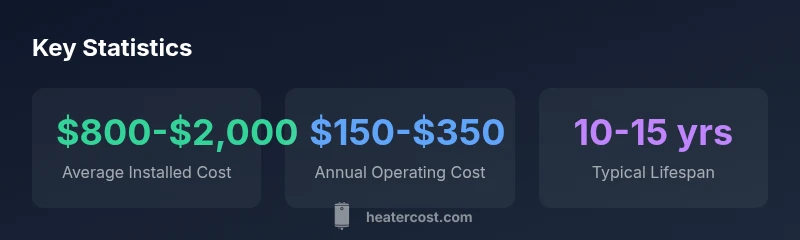
Electric water heaters typically cost between $800 and $2,000 for the unit and installation, with larger or high‑efficiency models toward the upper end. In this guide, we break down up-front costs, operating expenses, and common installation considerations to help homeowners estimate a realistic budget. We also compare tank vs. tankless options and highlight potential incentives.
How electric water heaters work
Electric water heaters store hot water in an insulated tank and heat it with electric elements. Most homes use a 40–80 gallon tank, with two heating elements (top and bottom) activated by thermostats. Modern units emphasize efficiency with energy factors (EF) near 0.92–0.95 for high‑efficiency models. This section explains how the system converts electricity into heat, how standby losses affect consumption, and why insulation matters for overall bills. According to Heater Cost, choosing a model with good insulation reduces heat loss in idle periods, which is especially important in colder climates.
Upfront costs and installation realities
Upfront costs include the heater unit, any expansion or safety features, and professional installation. Tank sizes commonly sold are 40–80 gallons, with higher capacities for larger households. Tankless electric options start higher and require dedicated electrical service. Installation complexity, local codes, permits, and the need for upgraded electrical panels all influence the final price. We outline how to estimate both unit and labor costs and what to ask a contractor before starting work.
Tank vs Tankless: which fits your home?
Tank heaters are reliable, simple, and typically cheaper upfront. Tankless models heat on demand, saving space and potentially reducing standby losses but may require more electrical capacity. Consider your peak hot water demand, climate, and whether you have space for installation hardware. Heaters with better insulation and higher EF will run more efficiently, though the payback period depends on usage.
Operating costs and efficiency basics
Operating costs depend on electricity rates, hot‑water usage, and the heater’s efficiency. The Energy Factor (EF) describes how effectively a unit converts electricity into hot water; higher EF means lower operating costs. Heater Cost analysis shows that higher EF reduces operating costs by a meaningful margin. For a typical household, annual energy costs vary with rates and usage, but a well‑sized, efficient electric water heater can substantially reduce waste compared with older, poorly insulated tanks. Subsidies or rebates may apply in your area, offsetting some operating costs.
Sizing for your household and performance expectations
A heater that is too small leads to repeated reheat cycles and user dissatisfaction, while an oversized unit wastes energy. A common guideline is 50–80 gallons for a family of four, but actual needs depend on showers, laundry, and appliance usage. A professional can calculate first‑hour rating (FHR) and peak demand to recommend the right capacity. Pairing the heater with a low‑flow faucet or showerhead can improve efficiency.
Installation basics: electrical and space considerations
Electric water heaters typically require a dedicated 240‑V circuit and a appropriately rated panel. Physical space, access to plumbing, and proper venting (for some older homes) influence placement. Ensure clearance for access, a shut‑off valve, and a pressure relief valve. Licensed electricians should perform wiring, especially when upgrading service panels to accommodate higher‑demand units.
Maintenance, warranties, and longevity
Regular maintenance extends the life of an electric water heater. Annual flushing helps remove mineral buildup, protecting the tank and increasing efficiency. Inspect and replace the anode rod if present, check the T&P valve, and verify wiring connections during service visits. Warranty lengths vary by model; higher‑end units often offer longer protection against leaks or premature failure.
Incentives, financing, and planning your upgrade
Explore manufacturer rebates, utility incentives, and possible tax credits for energy‑efficient water heaters. Financing options, extended warranties, and installer promotions can affect total cost. Start by calculating total cost of ownership over 10–15 years and compare with alternatives like solar readiness or hybrid systems. Heaters with better insulation and EF tend to deliver the lowest long‑term bills.
Electric water heater cost and performance comparison
| Aspect | Typical range | Notes |
|---|---|---|
| Installed cost | $800-$2,000 | Unit price plus professional installation |
| Tank vs Tankless | Tank: $600-$1,500; Tankless: $1,000-$2,500 | Upfront cost and space considerations |
| Annual operating cost | $150-$350 | Depends on electricity rate and hot-water use |
| Energy Factor impact | 0.62–0.95 | Higher EF = lower operating cost |
Got Questions?
What factors affect the installed price of an electric water heater?
Upfront cost varies with tank size, efficiency, locale, and labor. Permits and electrical upgrades can add to the total. Getting multiple quotes helps secure a fair price.
Upfront price depends on tank size, efficiency, and where you live; get a few quotes to compare.
Is tankless better than a traditional tank for electric water heaters?
Tankless heaters typically cost more upfront but can save space and reduce standby losses. They work best where there is high instantaneous demand and adequate electrical capacity.
Tankless heaters save space and can be more efficient, but they cost more upfront.
What size is right for a family of four?
Often 50–80 gallons, depending on showers, laundry, and simultaneous hot-water use. A pro can calculate the first-hour rating to confirm.
For a family of four, plan around 50–80 gallons after a professional sizing check.
Do electric water heaters qualify for tax credits or rebates?
Eligibility varies by region. Check federal energy programs, state incentives, and utility rebates for current offers.
Some programs may apply; incentives vary by location.
What maintenance is recommended to extend life?
Flushing annually to remove mineral buildup, inspecting the anode rod, and testing the T&P valve help extend life and efficiency.
Annual flushing and component checks help your heater last longer.
“Electric water heaters remain a practical, efficient choice when sized correctly and installed by a qualified pro.”
The Essentials
- Estimate total cost combining upfront price, installation, and annual energy use.
- Tankless can lower operating costs but has higher upfront price; evaluate payback.
- Size unit to household needs to avoid standby losses and shortages.
- Look for rebates, incentives, and solid warranties.
- Regular maintenance extends life and preserves efficiency.