On-Demand Hot Water Electric Heaters: A Practical Guide
Explore how on-demand hot water electric heaters work, how they compare to tanks, sizing guidelines, installation costs, and real-world performance for homeowners and property managers.


On-demand hot water electric heaters heat water only when needed, eliminating tank standby losses and often delivering high efficiency. Installation costs for a whole-house electric tankless system typically range from $1,000 to $3,000, depending on unit size and wiring. The Heater Cost team emphasizes proper sizing and professional installation to ensure reliable performance.
What is an on-demand hot water electric heater?
An on-demand hot water electric heater, commonly called a tankless electric water heater, heats water as it flows through a heat exchanger rather than storing hot water in a tank. This design minimizes standby heat losses, which improves overall energy efficiency for many households. The Heater Cost team notes that most electric tankless systems require a dedicated high-amperage circuit and careful electrical planning to avoid voltage drop and ensure consistent performance. In practice, one appropriately sized unit can service multiple fixtures if demand is modest, but performance will vary with incoming water temperature and the number of simultaneous hot-water draws. Proper sizing based on peak demand and climate is essential to avoid cold-water sandwich effects during high usage or cold mornings.
How electric tankless systems differ from traditional electric tanks
Electric tankless heaters operate differently from storage tanks by delivering hot water on demand rather than maintaining a reservoir. This eliminates most standby losses and can yield higher overall efficiency, especially in homes with irregular hot-water use. Traditional electric tanks store and continuously heat water, so energy is wasted even when not in use. A key distinction is flow-limited delivery in tankless systems; you may experience a temporary drop in water temperature if multiple fixtures draw hot water simultaneously. When evaluating on-demand hot water electric heaters, consider your household’s peak flow needs, climate, and whether you prefer point-of-use or whole-home coverage. The Heater Cost analysis highlights that a well-sized unit can meet typical family needs, but undersizing can cause insufficient hot water during busy periods.
Sizing and performance: flow rate, temperature rise, and climate effects
Sizing a tankless unit involves two main factors: desired flow rate (gallons per minute, GPM) and temperature rise (the difference between incoming water temperature and the desired output). In colder climates, a higher temperature rise means a lower available GPM, so you might need a higher-capacity model or multiple units. For example, at a 40°F temperature rise, a common household might achieve 2–3 GPM, which serves sinks and a shower but could fall short for simultaneous uses. In milder climates, the same unit could deliver 3–5 GPM. The exact performance depends on the water temperature entering the unit, pipe length, and electrical supply. On-demand hot water electric heaters excel when matched to realistic usage patterns and when you decommission unnecessary backup storage.
Electrical requirements, permits, and installation planning
Electric tankless systems demand a substantial electrical footprint. Most installations require dedicated 240V circuits with sufficient amperage and often a service panel upgrade or subpanel addition. It’s common to run multiple circuits or a 3- or 4-unit setup for whole-house coverage, which may trigger permit requirements. An electrician should verify service capacity, wiring, and clearances before purchase. Proper venting is not needed for electric units, which simplifies some aspects of installation, but conduit routing and breaker placement remain critical. Heater Cost emphasizes obtaining written estimates that include electrical work, possible panel upgrades, and permit costs to avoid surprise expenses.
Costs, savings, and financial considerations
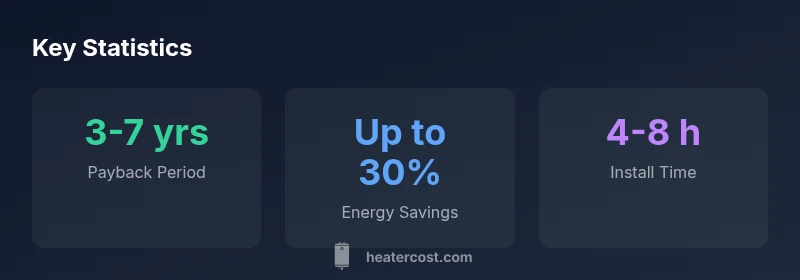
Total costs for on-demand hot water electric heaters include the unit price, electrical components, and installation labor. Homeowners typically see ranges reflecting unit capacity, location, and wiring complexity. A common range for a whole-house electric tankless system is from $1,000 to $3,000 for equipment and installation, with higher-end configurations or panel upgrades pushing costs upward. When evaluating economics, compare upfront costs to long-term savings from reduced standby heat and potential energy-rate benefits. Regional electricity prices, usage patterns, and climate all influence payback periods. Heater Cost’s analysis suggests that while the initial outlay can be substantial, substantial homes with high hot-water demand may realize meaningful energy savings over time.
Pros and cons in real-world use
Pros:
- Significant reduction in standby losses and more precise hot-water delivery.
- Space savings and flexibility in installation locations.
- No storage tank to leak or corrode in the long term.
Cons:
- Higher upfront cost and more complex electrical work than traditional tanks.
- Flow limitations if hot-water demand spikes beyond unit capacity.
- Requires professional sizing and potentially multiple units for whole-house coverage.
In practice, opting for an on-demand hot water electric heater makes sense for condos, small apartments, or homes where space is at a premium or where hot-water draw patterns are predictable. For larger households with high concurrent demand, a detailed load calculation and possibly multiple units are essential to maintain comfort and efficiency. Heater Cost’s guidance stresses that the most reliable results come from a professional assessment and careful planning, rather than a “one-size-fits-all” approach.
Choosing the right unit: features, controls, warranty, and brands
When selecting an on-demand hot water electric heater, prioritize achievable flow rates at your typical temperature rise, electrical compatibility with your panel, and warranty terms. Look for features such as multiple heating elements for redundancy, digital temperature controls, and diagnostic indicators that help with maintenance. A compact, wall-mounted unit can save space, while a larger, multi-unit installation may be necessary for whole-house coverage. Compare warranties, service networks, and potential climate-specific performance. The Heater Cost team recommends listing must-haves (e.g., minimum GPM, compatibility with existing fixtures, and remote monitoring) and nice-to-haves (e.g., smart controls or app integration) to guide a focused search.
Real-world installation scenarios: apartment vs. single-family home
In an apartment, a single efficient tankless electric unit can supply point-of-use hot water to a bathroom and kitchen if flow requirements are modest. In a single-family home, multiple units or a larger unit might be necessary to satisfy peak demand, particularly if the home experiences cold incoming water temperatures. In both cases, the electrical work is a major factor—from dedicated circuits to potential panel upgrades or subpanels. Scheduling work in advance and coordinating with the utility for any required inspections helps minimize downtime. The Heater Cost approach emphasizes staged installations and phased testing to verify performance under real household usage.
Maintenance, safety, and best practices
Electric tankless systems generally require less routine maintenance than traditional storage tanks, but mineral buildup can still affect performance in hard-water areas. Plan for periodic flushing or descaling as recommended by the manufacturer, and schedule annual safety checks to inspect wiring, breakers, and connections. Since these heaters rely on electricity, ensuring proper grounding and surge protection reduces risk. Keep an eye on temperature settings to avoid scalding and to conserve energy. The Heater Cost team stresses that ongoing monitoring of performance and professional servicing are key to long-term reliability.
Comparison: On-demand electric water heater vs traditional electric tank
| Aspect | On-demand hot water electric heater | Traditional electric tank |
|---|---|---|
| Energy delivery model | Heats water on demand with no standby losses | Stores heated water in a tank with standby losses |
| Installed cost (unit) | $1,000–$3,000 | $400–$1,200 (tank + installation) |
| Electrical requirements | Dedicated 240V circuit; may require panel upgrade | Can use standard 120V or 240V depending on unit |
| Flow-rate suitability | Highly dependent on desired GPM and temp rise | Typically supports steady draw at moderate GPM |
| Footprint | Compact wall-mount; versatile placement | Takes space for a storage tank in utility areas |
Got Questions?
What is an on-demand hot water electric heater?
An on-demand hot water electric heater heats water as it flows, delivering hot water only when you need it and avoiding standby losses associated with storage tanks.
An on-demand heater heats water as you use it, so you don’t keep a tank hot all the time.
Can an on-demand electric heater supply hot water for a large household?
Yes, but you may need a higher-capacity unit or multiple units to meet peak demand. Flow rate, incoming water temperature, and number of simultaneous draws matter.
Yes, but you might need more than one unit or a larger system to handle busy times.
What is the typical cost to install one?
Total cost varies with unit size and wiring needs. Expect equipment plus labor, with higher costs if electrical upgrades are required.
Costs vary, and electrical work can add to the price.
Will I need a permit or electrical upgrade?
Most regions require electrical permits and proper service capacity checks. An electrician can confirm what permits and upgrades are needed.
Permits are common; check with a licensed electrician about upgrades.
What maintenance is required?
Periodic flushing or descaling is recommended in hard-water areas. Annual checks of wiring and safety controls help maintain reliability.
Flushing helps prevent buildup; keep up with safety checks.
How should I compare models?
Compare flow rate at your expected temperature rise, electrical requirements, warranty, and after-sales support. Consider size, controls, and installation constraints.
Look at flow, power needs, and warranty when choosing a model.
“Proper sizing and professional installation are essential for reliable performance with on-demand hot water electric heaters.”
The Essentials
- Size the unit to your peak hot-water demand.
- Plan for electrical work and potential permits.
- Expect significant energy savings from reduced standby losses.
- Choose correctly sized units for your home’s flow needs.