Above Ground Pool Heaters: Costs & Practical Options
Learn whether you can heat an above-ground pool, compare heating options, upfront costs, installation considerations, and maintenance tips with expert guidance from Heater Cost for homeowners, renters, and property managers.


Yes, you can add a heater to many above-ground pools, but the best option depends on pool size, climate, and local codes. Common choices include solar heaters, electric heat pumps, gas heaters, and portable electric heaters for small setups. Each option has different installation needs, efficiency, and operating costs, so plan with care.
Understanding the feasibility of heating above-ground pools
Heating an above-ground pool is feasible for many setups, but the right approach depends on pool size, climate, and local codes. The decision often comes down to how you plan to use the pool, how long you want it heated, and your tolerance for ongoing operating costs. This section explores practical realities, including space requirements, electrical needs, mounting options, and the typical lifespan of common heater types. According to Heater Cost, starting with a clear plan can save time and money, especially when evaluating whether to add a dedicated heat source or optimize existing components. This guidance reflects a 2026 Heater Cost Analysis and is designed to help homeowners, renters, and property managers make informed decisions.
Heating options overview
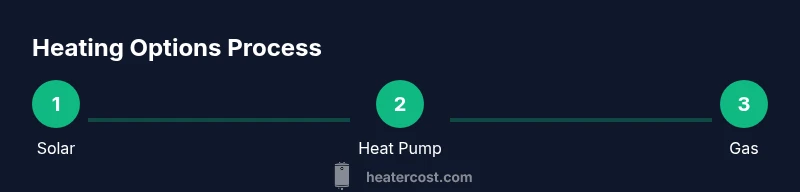
There are several paths to heat an above-ground pool, each with different trade-offs in upfront cost, durability, and complexity. Solar heaters have very low operating costs but rely on sun exposure and space for panels. Electric heat pumps offer efficient heating in moderate climates and typically require less space than gas heaters. Gas heaters can provide rapid heat even in cool weather but may have higher ongoing fuel costs and venting requirements. Portable electric heaters can work for small or temporary setups but are rarely a long-term solution for larger pools. When choosing, consider pool size, desired temperature, climate, and willingness to perform maintenance. Heater Cost’s guidance emphasizes evaluating total lifecycle costs and energy use to avoid wasteful purchases.
Solar heating: pros, cons, and fit
Solar heating uses rooftop collectors or pool-mounted panels to harvest sunlight. The operating cost is essentially free after installation, and solar systems often have long lifespans. They pair well with above-ground pools that receive steady sun, and many kits are designed for simple retrofits. Cons include slower heating during cloudy days or in shoulder seasons, and the need for sufficient space for panels. A solar solution can be particularly appealing for budget-conscious homeowners who want a low-maintenance setup. When estimating performance, calculate expected daily sun-hours and panel area, then compare with your pool’s volume and target temperature. Heater Cost’s 2026 analysis highlights the importance of realistic expectations and phased integration with backup heating when needed.
Electric heat pumps vs gas heaters
Electric heat pumps extract heat from the surrounding air and are most efficient when outdoor temperatures are moderate. They tend to be quieter, have lower fuel costs, and offer straightforward installation in many above-ground configurations. Gas heaters heat quickly and are capable of warming a pool despite cooler ambient temperatures, but they rely on propane or natural gas and require proper venting. In temperate climates, a heat pump is often the preferred option for cost and comfort, while a gas heater can be valuable as a supplemental solution during peak demand or in cold snaps. When deciding, weigh upfront equipment costs against long-term energy use and climate patterns. Heater Cost’s team recommends comparing total lifecycle costs before committing.
Sizing, placement, and installation considerations
Correct sizing ensures you neither overspend nor fall short of your heating goals. Start with your pool’s volume and the temperature rise you want to achieve, then consult the heater’s sizing chart or a professional. Placement matters: choose a location with protection from weather, easy access for maintenance, and adequate clearance for air intake and exhaust (for gas or some electric units). Clearances also affect ventilation, electrical routing, and future service. In many areas, installation requires permits or inspections, so check with local authorities early in the planning process. The right size and placement significantly affect heating speed and energy use.
Installation planning and safety basics
Follow the manufacturer’s instructions step by step and adhere to local electrical codes. For outdoor installations, use weatherproof enclosures, corrosion-resistant components, and proper conduit where required. It’s prudent to involve a licensed electrician for wiring and a licensed plumber for water connections if local rules demand it. Draft a detailed layout showing where wiring and pipes will run, including junction boxes and shut-off valves. This planning reduces troubleshooting later and protects family safety. Heater Cost emphasizes safety and code compliance as foundational to any heating project.
Maintenance, warranties, and operating costs
Regular maintenance keeps a pool heater reliable and efficient. Schedule periodic inspections for leaks, connections, and venting (for gas units), and clean filters as needed. Calibrate thermostats and verify temperature readings against the pool water to avoid overheating or underheating. Water chemistry should be monitored since imbalanced water can accelerate corrosion and reduce heating efficiency. Warranties vary by brand and heater type, so register devices and follow maintenance schedules. Keeping a log of temperatures, energy use, and service visits helps you track cost and performance over time. According to Heater Cost, maintenance is a cost-saving strategy that often yields the best long-term value.
Common mistakes to avoid
Avoid purchasing a heater without confirming compatibility with your pool shape, size, and mounting options. Skipping permits, underestimating electrical load, or neglecting ventilation for gas heaters can create safety hazards and expensive fixes. Don’t rely on a temporary or portable heater as a long-term solution for an above-ground pool. Incorrect water balance or poor circulation can also undermine heating effectiveness, leaving you with higher energy bills and unhappy swimmers. Take time to plan, consult manuals, and verify all connections before powering on the system.
Quick planning checklist for homeowners
- Confirm pool size, climate, and desired water temperature to narrow heater options.
- Compare solar, electric heat pump, and gas heaters for lifecycle costs and reliability.
- Check local permit requirements and electrical codes before purchasing.
- Budget for installation, wiring, and any required professional services.
- Plan ongoing maintenance and seasonal use to maximize efficiency. Heater Cost’s guidance emphasizes starting with a clear plan and evaluating energy use over time (Heater Cost Analysis, 2026).
Tools & Materials
- Pool heater unit (solar, electric heat pump, or gas)(Choose a model compatible with your pool size and power source.)
- Electrical supply and disconnect(GFCI-protected outdoor circuit with adequate amperage.)
- Piping, valves, and fittings(PVC or flexible hose connections; include shut-off valves.)
- Thermostat or temperature controller(External or built-in controller to maintain set temperature.)
- Tools: screwdriver, wrench, pipe cutter(Basic hand tools for assembly and connections.)
- Safety gear (gloves, goggles)(Personal protective equipment during installation.)
- Sealant and leak-test supplies(Pool-grade sealant and test kit for leak checks.)
Steps
Estimated time: 3-6 hours
- 1
Assess compatibility and local requirements
Evaluate your pool size, climate, and local codes to determine feasibility. Check mounting options and whether permits are needed before purchasing a heater.
Tip: Start with a rough capacity estimate using your pool volume and desired heat rise. - 2
Choose heater type and size
Select a heater type that matches your climate and usage. Use manufacturer sizing charts to match output to your pool volume and desired temperatures.
Tip: Avoid oversizing; it wastes energy and increases upfront costs. - 3
Plan electrical and plumbing layout
Draft a layout showing where wiring and plumbing will run, ensuring weatherproofing and accessibility. Obtain any required permits.
Tip: Ensure a dedicated circuit and proper grounding for safety. - 4
Install heater and connections
Mount the unit per manufacturer instructions; connect plumbing with appropriate adapters and ensure watertight seals. Have a licensed professional handle electrical work if required.
Tip: Double-check seals and thermostatic controls before testing. - 5
Test, balance, and monitor
Run the system, verify heat delivery, and monitor for leaks. Balance pool chemistry and verify thermostat accuracy; adjust as needed.
Tip: Record temperatures and costs to track efficiency over time.
Got Questions?
Can I install a heater on an above-ground pool myself?
Yes, with proper electrical work and plumbing, but many areas require licensing and permits. Check local codes before proceeding.
You can install it yourself in some places, but local rules may require a licensed professional.
What heater options work best for above-ground pools?
Solar, electric heat pumps, and gas heaters are common. Choose based on climate, pool size, and how quickly you want to heat.
Solar and heat pumps are popular in moderate climates; gas heaters can heat quickly in cooler weather.
Do I need a permit to install a pool heater?
Permit requirements vary by location. Check with your city or county building department for specifics.
Permits are often required; verify with your local authorities.
How do I size a heater for my pool?
Use the pool volume, desired temperature rise, and climate to determine size. Manufacturers provide sizing charts to guide selection.
Sizing depends on pool size and how warm you want it.
What maintenance does a pool heater require?
Regular inspections, cleaning, and thermostat calibration help maintain performance. Check for leaks and corrosion regularly.
Keep it clean and check connections regularly.
Watch Video
The Essentials
- Assess feasibility based on pool size and climate.
- Compare solar, heat pump, and gas options for lifecycle costs.
- Plan compliant electrical and plumbing layouts before purchase.
- Budget for installation and ongoing maintenance.