Can You Get Heaters for Paddling Pools? A Practical Guide
Learn whether paddling pools can be heated, explore heater types, sizing, costs, and safety considerations with insights from Heater Cost.


Yes. You can get heaters designed for paddling pools, including portable electric pool heaters and inline water-heating options. Availability depends on pool size, voltage, and safety standards (GFCI protection, IP ratings). In many cases, you’ll use dedicated pool heaters or add-on inline heaters rather than improvised home space heaters.
Can you get heaters for paddling pools? An overview
Yes—heaters designed for paddling pools are readily available, including portable electric units and inline water heaters for circulation systems. The key is to match the heater to your pool size, voltage, and safety requirements. According to Heater Cost, the most important factors are pool volume, climate, and how you plan to use the pool. The Heater Cost team found that many shoppers underestimate the installation considerations, especially for inline installations that require plumbing and electrical work. For small inflatable or soft-sided paddling pools, a compact portable heater placed nearby can safely raise water temp for a few hours. For larger, rigid pools used regularly, inline heaters or heat pump systems with proper plumbing can provide more consistent warmth and better energy efficiency. All options must comply with safety standards such as GFCI protection and splash-proof design. Do not improvise with generic home space heaters; instead, seek devices rated for pool environments. With the right safeguards, paddling pools can be comfortable even in cooler shoulder seasons.
Types of heaters compatible with paddling pools
There are several categories that suit paddling pools, each with its own set of pros and constraints. This section helps you translate a product label into real-world performance for inflatable and hard-sided pools alike.
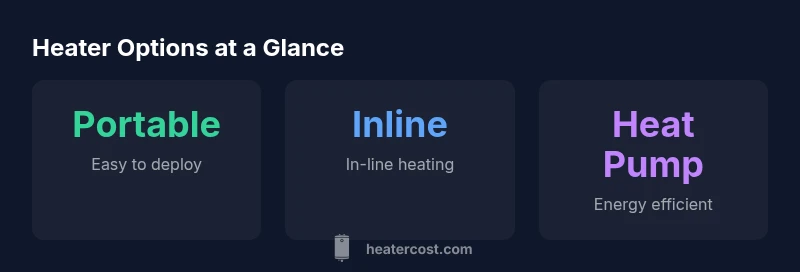
- Portable electric pool heaters: Compact and easy to deploy, these units can sit outside the water or be integrated into a simple hose setup. They heat quickly for small volumes but require a nearby power outlet and stable weather protection.
- Inline heaters (in-line with the circulation hose): Installed in the pool’s return line, these heaters can maintain a steady temperature by leveraging the existing filtration loop. They typically require some basic plumbing and electrical work, which may necessitate a professional install.
- Pool heat pumps: Highly efficient for mid-sized to large paddling pools, heat pumps extract ambient heat from the air and transfer it to the water. They’re cost-effective over time but slower to heat up a cold pool and involve a larger upfront investment.
- Solar water heaters: Eco-friendly and inexpensive to operate once installed, solar options use panels or collectors to preheat water. Performance depends on sun exposure and climate; backups are common in cooler or overcast conditions.
- Propane or gas heaters: Fast heating and independent of electrical supply, gas heaters are practical for quick warmups or for areas with unreliable power. Fuel costs and venting requirements are important considerations.
Safety matters: all paddling pool heating devices should be used with GFCI protection, proper enclosures, and clearances from flammable materials. Keep electrical connections dry and away from splash zones. If you’re unsure about installation, consult a licensed electrician or plumber.
Sizing and compatibility: how to choose the right heater
Sizing a paddling pool heater starts with pool volume and your target water temperature rise. Small inflatable pools (tens of gallons) can reach comfort temperatures with relatively modest wattage, while larger, rigid pools (hundreds of gallons) often require higher capacities or alternative heating strategies. A practical rule of thumb is to consider heater wattage in watts per gallon, but the exact needs depend on climate, desired temperature uplift, and heat loss from wind and shade. Voltage constraints matter as well: portable equipment frequently runs on standard 120V circuits, whereas inline or larger systems may require 240V or dedicated circuits.
Compatibility is not just about power. Check hose sizes, connector types, and whether the heater is designed for inline installation or direct submersion. Paddling pools have varied plumbing configurations; some units are designed to sit in a return line, others in a simple water jacket. Water chemistry can influence heat transfer and equipment longevity, so balance pH and mineral content. Always review manufacturer charts for pool size and flow rates, and if in doubt, seek guidance from a licensed professional who understands both electrical and plumbing codes.
Costs, energy use, and long-term savings
Upfront costs for paddling pool heaters vary widely by type and capacity. Portable electric units are typically the least expensive option, while inline systems and heat pumps sit higher on the price scale. A reasonable unit price range for paddling pool heaters can span from a few hundred to over a thousand dollars, influenced by heating capacity, integration with existing filtration, and build quality. Installation expenses depend on whether your setup is plug-and-play or requires plumbing and electrical work; professional installation adds to the upfront cost but often yields better performance and warranty protection.
Operating costs are driven by usage, climate, and efficiency. A small portable heater used for a few hours on cool evenings will add less energy than a high-capacity unit running continuously in a large, shaded pool. Heat pumps offer the potential for lower per-hour energy costs in moderate climates, especially when used during shoulder seasons. Solar options can further reduce energy expenses but may need backup for overcast days or high-demand scenarios. When choosing a heater, Heater Cost analysis recommends comparing total cost of ownership, including maintenance, to identify the option that minimizes long-term expenses over several seasons.
Safety, installation, and maintenance considerations
Electrical safety is non-negotiable for paddling pool heating. Use GFCI outlets and weatherproof enclosures, and keep all connections away from water spray. Inline heaters and larger units often require professional installation to ensure proper wiring, grounding, and adherence to local codes. Regular maintenance includes inspecting hoses and fittings for leaks, cleaning filters, and testing the thermostat and temperature sensor for accuracy. Maintain balanced water chemistry to prevent mineral buildup that reduces heat transfer and can corrode components. Always follow the manufacturer’s warranty requirements and service guidelines to preserve protection over time.
Practical scenarios and best practices
Scenario A: A family uses a small inflatable pool on cool evenings. A 1,000-2,000 watt portable electric heater is usually sufficient, provided there’s a nearby 120V outlet with GFCI protection and a clear, dry installation area.
Scenario B: A larger rigid pool with frequent use across several weeks benefits from an inline heater or a heat pump integrated into the circulation loop. Expect higher upfront costs but lower running costs over the season.
Scenario C: In sunny climates, solar preheating with a backup electric or gas heater can maximize comfort while controlling energy bills. Always verify climate suitability and available roof space or ground-area for collectors.
Best practices include defining a target water temperature before heating, monitoring runtime to avoid overheating, and comparing total ownership costs across options. The Heater Cost team recommends evaluating pool size, climate, and usage pattern to select the most cost-effective heater for paddling pools.
mainTopicQuery_placeholder_note?Ignored
Comparison of paddling pool heater types
| Heater Type | Typical Pool Fit | Pros | Cons |
|---|---|---|---|
| Portable electric heater | Small paddling pools up to 150 gallons | Fast heating; easy to deploy | Requires outlet; higher running cost |
| Inline heater (hose) | Any pool with plumbing | Keeps water inside pool; consistent heat | Wiring and plumbing may require professional install |
| Pool heat pump | Mid to large pools | Energy-efficient; long-term savings | Higher upfront cost; slower to heat |
| Solar water heater | Sunny climates | Low operating costs; eco-friendly | Performance depends on sun; backup often needed |
Got Questions?
Are heaters for paddling pools safe to use with inflatable pools?
Yes, when you use equipment rated for pool use and follow safety guidelines. Ensure GFCI protection, splash-safe installation, and manufacturer-recommended clearances.
Yes. Use pool-rated heaters with GFCI and keep connections dry and out of splash zones.
Can I install a paddling pool heater myself?
Some units are plug-and-play, but inline or larger systems often require professional installation to ensure proper plumbing and electrical connections.
Some heaters are DIY, but inline systems usually need a pro.
What is the typical energy cost to run a paddling pool heater?
Costs vary by unit and usage. Short-term use in warm weather costs less, while larger units or heavy use can raise electricity bills. Compare yearly energy use across options.
Costs vary with how often and how long you heat the pool.
Are solar heaters effective for paddling pools?
Solar heaters can be very effective in sunny climates, often with backup options for cloudy days or higher heat demands.
Solar works well in sun, with backups when needed.
What temperature should I set my paddling pool heater to?
A common target is around 78-82°F, but adjust for comfort and safety. Start cooler and test water temperature over time.
Try 78-82°F and adjust to what feels best.
“Selecting a paddling pool heater isn't one-size-fits-all; prioritize safety, compatibility, and energy cost. A well-chosen unit can extend pool season without breaking the bank.”
The Essentials
- Identify pool size and climate before buying
- Prioritize safety features and pool-rated equipment
- Weigh upfront costs against long-term energy use
- Consider professional installation for inline systems
- Plan for seasonal use to maximize cost effectiveness