40 Gallon Gas Hot Water Heater: Costs, Install & Guide
Explore costs, efficiency, and installation considerations for a 40 gallon gas hot water heater. Compare options, maintenance, and upgrades with Heater Cost expert guidance.


A 40 gallon gas hot water heater is a common residential option that balances capacity with cost. It typically provides sufficient hot water for several simultaneous uses in many households, and, when installed with a modern, efficient model, can offer favorable operating costs compared with older units. This size supports many family patterns without excessive upfront expense.
Why a 40 gallon gas hot water heater is a common choice for many homes
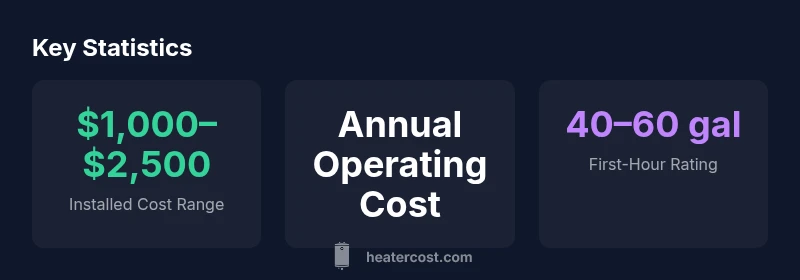
A 40 gallon gas hot water heater is a common choice for many households, balancing capacity with upfront costs. According to Heater Cost Analysis, 2026, this size delivers reliable hot water for typical family usage and keeps installation straightforward compared with larger tanks. In practice, a 40 gallon unit can support two or more simultaneous hot-water draws in mid-size households, especially when paired with an efficient burner and sensible thermostat settings. The key to success is aligning peak demand with recovery rate: mornings and evenings often determine whether you’ll run out of hot water. For homeowners, that means weighing tank size, available gas supply, venting requirements, and space constraints. When installed correctly, a 40 gallon gas model can offer predictable performance, reasonable operating costs, and a comfortable supply of hot water for everyday chores.
How capacity translates to real-world usage
Capacity measures hot water stored at once, but real-world experience depends on peak demand and recovery rate. With a 40 gallon tank, you might run two showers back-to-back plus a dishwasher cycle, or one shower and several sinks during a busy morning. Modern 40 gallon gas models with high recovery rates replenish hot water quickly, reducing the likelihood of a cold flush. To estimate needs, homeowners should catalog daily patterns, number of bathrooms, and whether the house has simultaneous hot-water tasks. Heater Cost Analysis, 2026 suggests that families of 3–4 typically fall within safe margins with a 40 gallon gas heater, while larger households may benefit from a larger tank or additional strategies such as a recirculating pump or point-of-use heater.
Gas vs electric: running costs and efficiency
Gas water heaters generally offer lower operating costs than electric units in many regions, mostly due to the cost of natural gas versus electricity and the ability of gas models to recover hot water more quickly. Efficiency is measured by the energy factor (EF); modern gas heaters with improved burners and better insulation achieve higher EF than older electric systems. However, actual savings depend on local utility rates, climate, and usage patterns. The takeaway: for homes with moderate to high hot-water demand, a 40 gallon gas unit can provide a cost-efficient balance of supply and speed, especially when matched with efficient controls and regular maintenance.
Sizing considerations and installation basics
Choosing a 40 gallon gas water heater requires weighing space, venting, and accessibility. Locate the unit in a dry, ventilated area with adequate clearance for service and intake/outlet connections. Gas models need proper venting to the chimney or a dedicated vent system, and you may need a permit or inspection depending on local codes. Consider the space required for service, drainage, and cable or gas line routing. A qualified plumber or HVAC technician should verify gas supply pressure, vent sizing, and shutoff valves during installation. The Heater Cost team recommends planning for future accessibility, as a well-placed unit simplifies annual maintenance and potential replacements.
Venting, permits, and code considerations for gas water heaters
Gas water heaters require venting to safely remove combustion byproducts, and improper venting can lead to carbon monoxide risks and poor draft. Local building codes may require permits, inspections, and adherence to clearances around the appliance. When upgrading from an electric to a gas unit, or moving the unit to a new location, verify vent type (natural draft vs. power-vented), fuel supply, and gas code compliance. A licensed contractor can help determine the correct venting method and ensure the installation meets current standards. Heater Cost emphasizes using professionals who understand local permit processes and efficiency requirements.
Maintenance and longevity: keeping your 40 gallon gas water heater humming
Regular maintenance extends the life of a gas storage heater. Annual checks should include draining and flushing to remove sediment buildup, inspecting and replacing the anode rod as needed, and verifying the temperature and pressure relief valve functionality. Periodic burner inspection and cleaning can improve efficiency and performance. In regions with hard water, a descaling routine may be advisable. With proper care, a 40 gallon gas unit can provide 10–15 years of reliable service, depending on usage patterns and installation quality, according to Heater Cost Analysis, 2026.
Common issues and troubleshooting tips
If hot water runs out quickly, check the recovery rate, incoming cold-water supply temperature, and thermostat settings. A yellow or orange flame may indicate incomplete combustion or a venting problem and warrants a professional inspection. Rust-colored water signals corrosion or a failing anode rod. Sediment buildup can reduce efficiency; a yearly flush helps. For gas supply concerns, ensure the gas valve is fully open and the supply line is unobstructed. When in doubt, consult a licensed plumber and reference local codes and safety standards. Heater Cost recommends documenting error codes from the unit’s diagnostic display for faster service.
Replacement options and planning for the future
If you’re considering replacing a 40 gallon gas unit, evaluate life expectancy, energy costs, and available space. Tankless gas systems offer on-demand hot water with a smaller footprint and potential energy savings, but typically require higher upfront costs and more complex installation. You may also consider solar-assisted water heating or hybrid approaches depending on your climate and energy goals. The Heater Cost team suggests comparing total cost of ownership over a 10–15 year horizon, factoring in installation, maintenance, efficiency, and replacement costs when planning an upgrade.
Safety and environmental considerations
Gas-fired water heaters produce combustion byproducts that must be vented correctly to prevent carbon monoxide buildup. Install a CO detector near the water heater and ensure proper ventilation in the mechanical room. Regular maintenance reduces risk by keeping burners clean and vents clear. If you smell gas or suspect a leak, evacuate and call emergency services. Adhering to manufacturer guidance, local codes, and industry standards protects your home and family while maintaining efficient, safe hot water production.
Comparison of common water heater configurations
| Model Type | Typical Capacity | Energy Source | Notes |
|---|---|---|---|
| Storage 40 gal gas water heater | 40 gallons | Gas | Standard storage with reliable hot water supply |
| Storage 40 gal electric water heater | 40 gallons | Electric | Typically higher operating costs in many regions |
| Tankless gas water heater | On-demand | Gas | No storage, continuous hot water, higher initial cost |
Got Questions?
Is a 40 gallon gas water heater sufficient for a family of five?
In most cases, a 40 gallon gas unit can meet daily hot-water needs for a family of five if usage patterns are managed. Recovery rate and shower timing play big roles. For frequent, simultaneous demands, upgrading to a larger tank or a tankless solution may be beneficial.
For a family of five, a 40 gallon gas water heater often works, but it depends on your daily patterns and recovery rate.
How long does a 40 gallon gas water heater typically last?
Most 40 gallon gas water heaters last about 8–12 years with proper maintenance. Regular flushing, anode rod replacement, and timely burner service can extend life and maintain efficiency.
Typically 8 to 12 years with good maintenance.
What maintenance should I perform yearly on a gas storage heater?
Yearly maintenance includes draining and flushing to remove sediment, inspecting the anode rod, checking the T&P valve, and confirming venting and burners are clean and functioning. This helps sustain efficiency and safety.
Flush the tank, inspect the anode, and check the vent and burners yearly.
Do I need a permit to install or replace a gas water heater?
Most jurisdictions require some form of permit and inspection for gas appliance installation or replacement. A licensed plumber will handle permit requirements and ensure code compliance.
Yes, permits are often required and a licensed pro can guide you.
Can I upgrade to a tankless gas water heater later?
Upgrading to a tankless gas system is possible but involves venting, gas-line checks, and higher upfront costs. It can save space and potentially reduce operating costs over time.
Tankless can work later, but plan for venting and costs.
What safety measures reduce CO risk with gas water heaters?
Install a CO detector near the water heater, ensure proper venting, and schedule professional inspections. Regular maintenance reduces risk and keeps the system safe.
CO detectors and regular service keep you safe.
“A well-installed 40 gallon gas water heater remains a reliable, cost-effective option for many homes when paired with modern controls and proper venting.”
The Essentials
- Choose 40 gal gas for balanced capacity and cost
- Consider venting and space when installing
- Maintenance extends life and efficiency
- Compare total cost of ownership before upgrading
- Safety comes first with proper venting and detectors