40-Gallon Electric Hot Water Heater: Costs, Efficiency, and Maintenance
A thorough guide to 40 gallon electric hot water heaters, covering costs, energy efficiency, installation basics, and maintenance tips for homeowners and property managers.


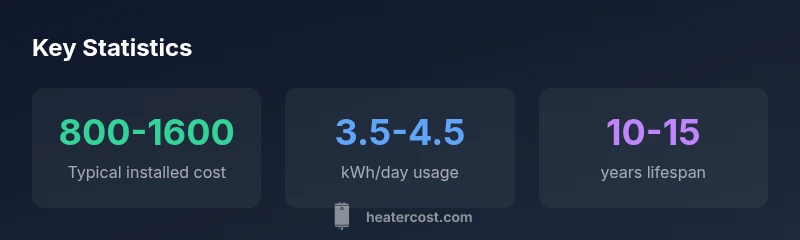
A 40 gallon electric hot water heater typically costs between $800 and $1,600 installed, depending on location and installation needs. It provides enough hot water for a family of four under typical usage, with energy use around 3.5 to 4.5 kWh per day. The Heater Cost team recommends sizing for peak demand and comparing EF ratings to minimize operating costs.
40 gallon electric hot water heater: Sizing and daily use
The 40 gallon electric hot water heater sits in the middle of the residential market, offering a practical balance between storage and energy use. For many families, this size handles typical daily patterns—two showers, a load of laundry, and some household hot water for dishes—without constantly running out of hot water. In practice, you’ll notice a slight dip in supply if multiple large draws occur simultaneously, such as back-to-back showers and a dishwasher cycle. To optimize performance, set the thermostat around 120°F (49°C) to reduce standby heat loss while still delivering comfortable hot water. The keyword here is balance: a 40 gallon electric hot water heater works best when your peak daily demand aligns with your family’s usage profile, not when you assume worst-case scenarios every day. When comparing to 50 gallon or gas models, expect modest differences in recovery time and energy costs, but remember that actual results depend on your home’s insulation, climate, and routine.
Energy efficiency and EF explained
Energy efficiency is the backbone of long-term water heating costs. The key metric to watch on a 40 gallon electric hot water heater is the energy factor (EF), which measures how efficiently the heater converts electricity into hot water. Higher EF values translate to lower operating costs over time, all else equal. Most modern units with well-insulated tanks (thick foam insulation) will reduce standby losses, helping you keep your monthly electricity bills in check. When you compare models, also look for a good first-hour rating (FHR) which indicates how much hot water you can draw in the first hour after a cold start. A higher EF paired with a solid FHR generally means better day-to-day performance, especially in homes with multiple bathrooms or higher simultaneous demand. The Heater Cost team notes that a balanced approach to EF and FHR yields the best long-term value.
Installation considerations and upfront costs
Upfront costs for a 40 gallon electric hot water heater include the unit itself and installation by a licensed professional. You’ll typically need a dedicated 240-volt circuit, with the breaker size specified by the model. Some homes require electrical panel upgrades or new wiring, which can influence total installation costs. Location matters too: basements, garages, or utility closets with easy access improve serviceability and reduce future maintenance costs. Permitting requirements vary by jurisdiction, so check local codes before purchasing. When selecting, compare models that include long warranties, solid insulation, and reliable anode prevention to maximize service life. This is where the Heater Cost guidance helps homeowners estimate total ownership costs rather than just sticker price.
Operating costs and energy comparison
Operating costs for a 40 gallon electric hot water heater vary with your electricity rate, climate, and usage pattern. In regions with higher electricity costs, you’ll feel the difference more quickly than in areas with lower rates. On average, these units consume energy in the mid-range for electric water heating, making them a compelling option for households that want predictable costs without the complexity of gas lines or solar preheats. When comparing to gas-fired or tankless systems, electric tanks typically have lower purchase costs but may incur higher operating costs if electricity is expensive. The Heater Cost analysis highlights that the real-world impact depends on your daily hot water usage, insulation, and timing of peak electric rates.
Maintenance steps to extend life
A 40 gallon electric hot water heater lasts longer when you commit to routine maintenance. Annual or semi-annual maintenance tasks include flushing the tank to remove sediment, inspecting the anode rod, and checking the T&P relief valve. Flushing reduces mineral build-up that can decrease efficiency and shorten life. If your unit has an expansion tank, inspect it for signs of wear or leaks. Drain valves should be opened slowly to release pressure, and any rust or corrosion around connections should prompt a closer inspection. By keeping your system clean and dry, you minimize the risk of leaks and extend the tank’s usable life, preserving both performance and value.
How to read the label and pick features
When shopping for a 40 gallon electric hot water heater, read the label carefully. Capacity is fixed at 40 gallons, but the important performance metrics are EF, FHR, insulation value, and warranty. A higher EF indicates lower operating costs, while a robust FHR ensures you have enough hot water in the first hour. Look for thicker insulation (R-value), a rated warranty of at least 6-12 years, and reputable anode protection. Consider the location and space constraints in your home; a compact model with an efficient design may fit better in tight utility closets. Finally, verify compatibility with existing plumbing and electrical connections to avoid hidden costs during installation.
Choosing the right 40 gallon unit: features to prioritize
Top features to prioritize include a high EF, a strong first-hour rating, and a generous warranty. Insulation quality matters because it reduces standby heat loss, translating into real savings over years of operation. If you anticipate high draw, consider a model with a faster recovery rate or a slightly larger tank if your space allows. Look for energy-efficiency certifications and consider units with corrosion-resistant tanks and high-quality anode rods. In the end, your choice should balance upfront cost, energy costs, space, and warranty coverage. The Heater Cost team emphasizes that the best option aligns with your usage pattern and home energy profile rather than chasing the highest spec for every scenario.
When to replace and common pitfalls
Replacement decisions hinge on reliability, efficiency, and cost of repeated repairs. Signs you should replace a 40 gallon electric hot water heater include frequent leaks, rising energy bills without obvious cause, and persistent failure to deliver sufficient hot water. Common pitfalls include choosing a model without sufficient insulation, undersizing for peak demand, or failing to install on a compliant electrical circuit. Upgrading to a newer, higher-efficiency unit can reduce operating costs over time, but ensure the replacement aligns with your home’s electrical system and local codes. The Heater Cost team recommends planning replacements proactively to avoid emergency outages and ensure consistent hot water supply.
Size and performance comparison for common residential water heaters
| Model Type | Capacity | Recovery Rate (approx) | Notes |
|---|---|---|---|
| 40 gallon electric (standard) | 40 gallons | Moderate recovery | Balanced for family use |
| 50 gallon electric (larger) | 50 gallons | Slower recovery | Better for higher simultaneous demand |
| Gas-fired 40 gallon | 40 gallons | Faster recovery | Different fuel type, installation constraints |
Got Questions?
Is a 40-gallon tank enough for a family of four?
For many families of four with average hot water use, a 40-gallon tank is adequate; consider two simultaneous showers or higher draw scenarios and plan accordingly.
Usually yes for average use, but if you run multiple appliances at once, you may want to size up.
What factors influence installation costs?
Labor rates, electrical upgrades, location, and permit fees influence installed cost. Access to the old unit and the required clearance can add time and money.
Costs vary by region and project scope; expect a licensed professional to assess electrical needs.
How often should I flush and maintain a 40-gallon electric water heater?
Flushing annually helps prevent sediment buildup; inspect the anode rod every 2-3 years and replace as needed.
Flush once a year and check the rod every few years.
Can I upgrade to a high-efficiency model?
Yes, upgrading can reduce operating costs, but compare upfront costs with long-term savings and ensure compatibility with your electrical system.
Upgrading can save money over time if the costs are justified by usage.
What is the typical lifespan and when should I replace?
Most 40 gallon electric water heaters last 10-15 years; replace when efficiency drops, leaks appear, or frequent repairs are needed.
If it’s older than a decade or leaking, plan a replacement.
Are there tax credits or incentives for upgrading?
Tax credits or incentives vary by location; check federal, state, and local programs and discuss eligibility with a contractor.
Check local programs; incentives vary by area.
“"A properly sized 40 gallon electric hot water heater can meet typical family needs when paired with good insulation and routine maintenance."”
The Essentials
- Know your usage: a 40 gallon electric model suits many families when usage patterns are balanced.
- Prioritize efficiency: higher EF and solid insulation reduce operating costs over time.
- Plan installation: a dedicated 240V circuit and proper permits are essential for safety.
- Maintain regularly: annual flushing and anode checks extend life and reliability.
- Compare total cost: consider upfront price, energy costs, warranty, and replacement cycles.