Why Is My Heater So Loud? Troubleshooting Guide
Struggling with a loud heater? This urgent, expert guide explains why your heater sounds off, how to diagnose common causes, safe DIY fixes, and when to call a pro—so you stay warm without the noise.


If your heater is abnormally loud, the most likely culprits are a loose panel or duct, a failing blower motor, or buildup in the blower wheel. Turn off power, inspect for loose screws, and replace or tighten as needed. If the noise persists, safety requires you to schedule a professional inspection, especially for gas furnaces or if you smell gas.
Why is my heater so loud and what it signals
When homeowners notice a dramatic change in noise, it’s a signal that something is not operating as it should. In many cases the question why is my heater so loud points to one of several common culprits: loose or vibrating panels, obstructed airflow from a dirty filter, a worn blower motor or bearings, or ductwork that has come loose and is echoing through the system. By paying attention to the type of sound—rattling, banging, squealing, humming—you can narrow down the likely cause and choose the safest fix. Early diagnosis not only reduces annoyance, it can prevent further damage and reduce energy waste. This guidance uses neutral, practical steps you can take as a homeowner and explains when professional help is essential for safety and reliability.
Common noises and what they indicate
Different noises map to different issues. A rattling or thumping sound often means loose panels or ductwork either inside the cabinet or in the attic/crawlspace. A high-pitched squeal typically signals a worn blower belt or misaligned pulley. A loud hum or buzz can point to electrical components or a motor approaching failure. A bang or crack at ignition in a gas furnace may indicate improper flame sensing or a gas ignition issue. Understanding the sound helps you pick the right next step and avoid risky DIY moves. Remember that safety comes first; if you smell gas or suspect a gas-related problem, shut everything down and call a professional immediately.
Quick safety steps before you touch anything
Always start with safety. Turn off power at the furnace switch and, if accessible, the service panel or the main breaker. If you have a gas furnace, do not attempt to diagnose ignition or gas lines yourself. Ventilation and carbon monoxide risks are real, so keep doors open for ventilation only if you know it’s safe. Wear eye protection and avoid touching hot surfaces. These precautions reduce the chance of shock, burns, or accidental gas exposure while you inspect.
Safe DIY fixes you can try in 15 minutes
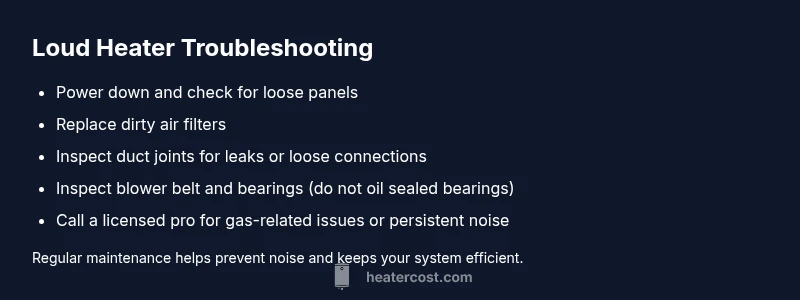
Before you begin any hands-on work, ensure the system is completely powered down. Check for visible loose screws or panels and tighten them gently. Replace a dirty air filter, which often causes the blower to work harder and create noise. Inspect accessible duct sections for kinks or loose connections and reseal joints with appropriate foil tape if you can do so safely. If you find a loose blower belt or suspect the blower wheel is rubbing against the housing, stop and call a pro—misalignment can damage the motor or create unsafe conditions. Never oil sealed furnace bearings or attempt disassembly beyond what you can see without manufacturer guidance.
Diagnostic indicators: mapping sounds to likely causes
Track the tone and timing of the noise. A constant hum usually means a motor issue or electrical component; a buzzing with a pulsing rhythm may indicate a failing capacitor or relay. A rapid rattling after startup often points to loose cabinet parts or ductwork. A single loud bang can signal ignition or combustion-related issues in gas furnaces. Correlate these clues with system behavior: whether the noise happens at startup, during operation, or with airflow changes. This correlation helps you decide whether a DIY fix is safe or if professional service is required.
Maintenance and prevention today and tomorrow
Regular maintenance reduces noise and extends the life of your heater. Change filters every 1–3 months based on usage and filter type, clean accessible blower housing if you feel confident, and check cabinet screws periodically. Schedule annual professional inspections for gas furnaces and semi-annual checks for heat pumps or complex systems. Keeping air pathways clear and components secure prevents many noises from returning and helps maintain efficiency.
When to decide between repair and replacement
If the unit is older than 12–15 years, or if noise is accompanied by rising energy bills, frequent breakdowns, or uneven heating, consider replacement. Repairs can be cost-effective in the short term but may not address underlying efficiency losses. A professional assessment can provide a realistic projection of remaining lifetime, expected repair costs, and potential energy savings from a modern, quieter model. The goal is reliable warmth without persistent noise or safety concerns.
Steps
Estimated time: 25-40 minutes
- 1
Power down and secure the system
Turn off power at the furnace switch and main breaker. If you have a gas furnace, avoid touching gas lines or ignition components. Verify no one can accidentally restart the system while you inspect.
Tip: Use a flashlight to inspect the cabinet edges for loose screws before powering back on. - 2
Check for obvious looseness
Look for loose access panels, loose duct connections, and visibly rattling components. Tighten screws and reseat ducts carefully, avoiding over-tightening which can strip threads or crack panels.
Tip: Use a magnet or screwdriver with the correct bit to avoid stripping screws. - 3
Inspect the air filter and intake paths
Remove and inspect the air filter; replace if dirty or clogged. Examine intake and return ducts for kinks, obstructions, or disconnected joints that could cause airflow noise.
Tip: If you’re uncertain about filter type, note the model and replace with an identical spec. - 4
Assess the blower and belt (if accessible)
If your system has a visible blower belt or accessible blower assembly, check for wear, cracks, or misalignment. Do not attempt to lubricate sealed bearings—replace parts per manufacturer guidance.
Tip: Only adjust belts if you’re confident; a misadjusted belt can cause more damage. - 5
Test safety and airflow
Restore power briefly and observe for abnormal noises while monitoring air intake. If the sound remains or worsens, power down immediately and prepare for a professional visit.
Tip: Document the noise type and when it occurs to share with the technician. - 6
Plan professional help if needed
If you suspect motor failure, ignition issues, or you smell gas, do not continue DIY troubleshooting. Schedule a licensed technician and have them verify electrical safety and combustion quality.
Tip: Note any recent changes (new filter, duct work, weather) to help the tech diagnose faster.
Diagnosis: Loud heater during operation
Possible Causes
- highBlower wheel rubbing against housing or misalignment
- mediumLoose panels or ductwork resonating with the blower
- highWorn blower motor bearings or failing motor
- mediumGas ignition issues or flame sensor causing bangs
- lowClogged air filter causing blower strain
Fixes
- easySecure loose panels and tighten cabinet screws
- mediumInspect blower wheel alignment and housing clearance; realign or replace as needed
- mediumReplace worn blower motor bearings or the entire motor
- hardSchedule professional inspection for gas-related ignition/flame sensing issues
- easyReplace dirty air filter and reseal duct joints
Got Questions?
What are the most common causes of a loud heater?
Rattling panels, loose ducts, worn blower belts, and dirty filters top the list. Gas furnaces may also noise when ignition or flame sensing has issues. Start with a visual check and filter replacement, then call a pro for persistent or gas-related symptoms.
Common causes are rattling panels, loose ducts, a worn belt, and a dirty filter. If it’s a gas furnace and you hear ignition issues, call a professional.
Can a dirty air filter cause loud noises?
Yes. A clogged filter makes the blower work harder, increasing noise and reducing efficiency. Replacing the filter is the simplest first step in many troubleshooting scenarios.
A dirty filter can cause extra noise because the blower works harder. Replacing it often quiets things down.
Is it safe to lubricate furnace bearings myself?
Most modern furnaces have sealed bearings and do not require lubrication. Opening the motor can void warranties and introduce safety risks. Always follow the manufacturer’s guidance or call a pro.
Don’t lubricate furnace bearings unless the manual says it’s okay. It’s safer to have a pro handle it.
What does a squealing blower belt mean?
A squeal usually means the belt is worn or misaligned. It can slip and cause overheating or motor strain, so replace or adjust the belt per the manual or with professional help.
A squealing belt usually means it’s worn or misaligned and needs replacement or adjustment.
When should I replace my heater instead of repairing it?
If the unit is old, inefficient, or requiring frequent repairs, replacement can be more cost-effective and reliable. A professional assessment can help you weigh long-term costs and comfort.
If it’s old or constantly breaking, replacement might be cheaper in the long run—get a pro’s take.
Watch Video
The Essentials
- Identify noise type to target the fix
- Always prioritize safety and professional help for gas furnaces
- Regular maintenance prevents most loud noises
- DIY checks should be simple, reversible, and non-destructive
- Decide between repair or replacement based on age and reliability