How to Stop a Noisy Heater: A Practical Home Guide
Learn proven methods to quiet a noisy heater. Identify common noise sources, perform safe fixes, and know when to call a professional. A Heater Cost guide for homeowners seeking comfort and efficiency in 2026.


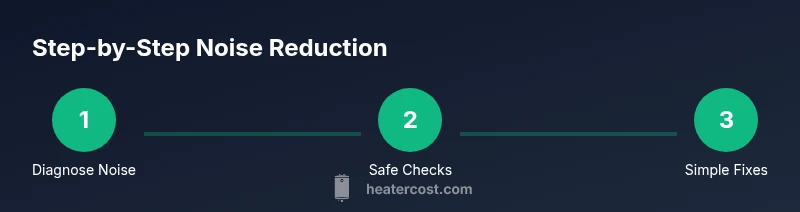
You can stop a noisy heater by diagnosing the source and applying simple fixes like tightening panels, venting air, and replacing worn parts. Start by turning off power and gas, then inspect the blower, ducts, and mounting hardware for loose connections. If the noise persists after basic checks, plan a professional service.
Common reasons a heater makes noise
A noisy heater isn't always a sign of a dangerous problem; most noises have a simple cause that you can fix with a bit of troubleshooting. According to Heater Cost, the most frequent culprits are expansion and contraction of metal parts, air in the ductwork, loose panels or mounting bolts, dirty filters, worn blower belts, and ignition or burner components that are dirty or out of alignment. Understanding these sources helps you decide which fixes to try first when learning how to stop heater from making noise.
Expansion noises, such as popping or banging as metal parts heat and cool, are common. Rattling in the ductwork points to loose sheets or mounting screws. A high pitched squeal often comes from a worn blower belt or a dry bearing. A buzzing or humming sound may indicate electrical components or a blocked vent. If you identify the sound type, you can map it to likely causes and prioritize fixes.
Recognize that not all noises require professional service; minor adjustments, cleaning, and simple part replacements often resolve many issues. Keep safety in mind and never force components that look damaged or jammed.
Safety first: immediate checks you should perform before you touch the system
Before you touch any heater components, cut power at the thermostat and switch off the circuit breaker. If your unit uses natural gas, shut off the gas supply and ventilate the area. Wait for the system to cool, and test basic accessibility by visual inspection only. The goal here is to rule out obvious hazards and prepare for safer, more precise checks. If you hear a strong hiss or sulfur smell, exit and call emergency services. Safety steps save lives and prevent costly mistakes.
Noise sources by heater type: gas, electric, and heat pumps
Gas furnaces often produce a metallic pop or click during ignition, plus a rumble if the burner is dirty or misaligned. Electric furnaces typically hum at healthy levels, with louder fan sounds if the blower motor is worn or if there is a loose fan belt. Heat pumps may buzz or rattle when reversing valves or ductwork vibrates. Knowing your system type helps you target fixes without risking safety.
How to diagnose the noise: a simple, safe checklist you can follow
Create a calm environment by turning off the thermostat and setting the system to off. Listen for the noise with the panel removed if you are comfortable. Check for loose screws in the blower housing, mounting brackets, and ductwork. Look for a clogged filter or dirty blower wheel. If you identify a callout, choose a fix, document what you did, and test the system.
Simple fixes you can safely perform now
Tighten loose mounting bolts around the furnace cabinet and duct connections using a screwdriver. Replace dirty air filters and clean the blower housing with a soft brush. If you have a belt-driven blower, inspect the belt for wear and replace if cracked or stretched. Ensure the access panels close snugly and seal gaps with weather stripping if needed. Do not force parts that resist.
When to call a professional: safety and complexity thresholds
If you cannot locate the noise source after the basic checks, or if you smell gas, hear a continuous hiss, or see smoke, shut down the system and call a licensed HVAC technician. A professional can safely diagnose internal combustion or electrical issues and test for proper combustion and venting. Scheduling a professional visit early can prevent costly damage and ensure your system runs quietly and efficiently.
Maintenance habits to prevent future noise
Create a simple maintenance routine: replace the air filter on a schedule, vacuum the blower area yearly, inspect ductwork for loose fittings, and lubricate bearings if your unit’s manual allows. Schedule professional tune-ups at least once a year or per manufacturer guidance. Regular maintenance reduces vibration, improves efficiency, and helps you keep the noise levels down over time.
Cost considerations and long-term value: balancing fixes and upgrades
Costs vary by fix and system type; minor fixes like tightening panels and replacing filters are inexpensive, while replacing a worn blower belt or upgrading ductwork can add up. From a long-term perspective, quiet, efficient operation lowers energy waste and extends equipment life. Heater Cost recommends evaluating noise alongside energy use and comfort when planning upgrades.
Quick-start checklist you can print
- Turn off power and gas before inspecting
- Tighten mounting bolts and secure ductwork
- Check and replace air filters
- Inspect the blower and belt (if present)
- Test run after each fix and record results
Tools & Materials
- Screwdriver set(Phillips and flat-head; small size for furnace panels)
- Flashlight(Bright, handheld; inspect tight spaces)
- Voltage tester or multimeter(Use for basic electrical checks only if qualified)
- Duct tape and weather stripping(Seal minor air leaks around panels)
- Shop vacuum or brush(Clean blower housing and vents)
- Replacement air filter(Match size and MERV rating; check manufacturer guide)
Steps
Estimated time: 45-60 minutes
- 1
Power down and secure safety
Turn off the thermostat and switch off the circuit breaker for the heater. If the system uses gas, shut off the gas supply and ventilate the area. Wait for the system to cool before touching any parts to avoid burns or electrical shock.
Tip: Verify power with a tester before handling electrical components. - 2
Inspect accessibility panels and mounts
Remove necessary panels and inspect for loose screws, mounting brackets, and panels. Tighten connections with the appropriate screwdriver until panels sit flush and don’t rattle.
Tip: Keep track of screws with a magnetic tray. - 3
Check the blower and belt (if applicable)
Access the blower housing. Look for a worn, cracked, or misaligned belt and replace or tighten as needed. Spin the blower manually to listen for clicking or grinding.
Tip: Take a photo before disassembly to reassemble correctly. - 4
Inspect and clean filters and intake
Remove and inspect the air filter. Replace a dirty or damaged filter with the correct size. Vacuum or brush away dust from the blower area to reduce noise from debris.
Tip: Set replacement reminders to match usage and season. - 5
Bleed air and check ductwork
If you have a hot-water system, bleed air from radiators until water appears, not air. For forced-air, check for air pockets in the ducts and gently loosen a vent to release air.
Tip: Keep a cloth handy for any drips. - 6
Test run and observe results
Restore power and run the heater on low, then on normal heat. Listen for changes in noise; note which settings reduce noise and for how long.
Tip: Record the fixes you performed to inform a professional if needed.
Got Questions?
Why is my heater making banging or creaking noises?
Banging or creaking often comes from metal expansion or contraction as the heater heats and cools. It can also indicate loose panels, ductwork, or a dirty burner. If the noise is sudden or accompanied by smoke, shut down and call a pro.
Banging or creaking usually comes from expansion, loose parts, or ductwork—but if you smell smoke, get help fast.
What causes buzzing noises in a heater?
Buzzing is commonly caused by electrical components, a loose blower motor, or restricted air flow from a dirty filter. Check accessible parts and replace filters as needed. If the noise persists, a professional should inspect electrical connections.
A buzzing sound is often from electrical parts or a dirty filter; if it continues, have a technician check it.
Can I fix a noisy heater myself?
You can perform safe, simple steps such as tightening mounting screws, replacing filters, and cleaning the blower area. If the noise remains after basic fixes or involves gas or electrical components, contact a professional.
Yes, start with safe, simple fixes; if unsure, call a pro.
When should I call a professional for heater noise?
Call a professional if you can't identify the noise source after basic checks, if you smell gas, or if there are signs of gas smell, smoke, or unusual carbon monoxide symptoms. A pro can safely diagnose and repair complex issues.
Call a pro if the noise persists or you suspect gas or electrical problems.
Is a noisy heater a safety risk?
Yes, persistent noise can indicate loose parts, duct leaks, or ignition problems that could lead to unsafe operation. If you hear unusual smells or smoke, stop using the system and seek professional help.
Noise can signal safety issues—don’t ignore it.
How much does it cost to fix a noisy heater?
Costs vary by problem and system type. Minor fixes like filters and tightening are inexpensive, while replacing worn parts or upgrading may require a larger investment. Get a professional estimate before proceeding.
Costs vary; ask for an estimate before repairs.
Watch Video
The Essentials
- Identify noise source before acting.
- Safety first: disconnect power and gas when needed.
- Tighten and secure loose components to stop rattling.
- Balance quick fixes with professional inspection if noises persist.
- Maintain a yearly maintenance routine to prevent future noises.