Why Does My Heater Keep Turning Off: Quick Troubleshoot Guide
Discover why your heater keeps turning off and learn safe, practical steps to diagnose and fix common causes. Includes a diagnostic flow, step-by-step fixes, and maintenance tips from Heater Cost.


If your heater keeps shutting off, the most common culprits are restricted airflow, a dirty air filter, or a thermostat/control issue. Start by inspecting and replacing the air filter, confirming thermostat settings, and ensuring vents aren’t blocked. If the problem persists, use the diagnostic flow below to identify the exact cause and apply a safe fix quickly.
Why does this happen and what it means
When homeowners ask the question, why does my heater keep turning off, they’re usually facing a safety-driven shutdown rather than a total furnace failure. In many homes, a lack of proper airflow or a malfunctioning control system triggers an automatic off cycle to prevent overheating. The Heater Cost team found that the majority of persistent shutdowns trace back to simple maintenance gaps, not a ruined furnace. Keeping your home warm requires a quick, calm assessment and a plan of action that prioritizes safety, especially in cold weather. In this section we unpack the most common patterns and why they matter, so you can respond with confidence and speed.
Common triggers behind the shutdown (and how they interact)
There are several frequent reasons your heater might trip off and on again. Airflow problems (like a clogged filter or blocked ducts) can cause the system to overheat and self-protect. A malfunctioning thermostat or control board may send the wrong signals, causing the unit to shut down before reaching the set temperature. Gas furnaces can also trip for safety if the flame sensor is dirty or the ignition is failing. In heat pump systems, sensor or reversing valve faults can create odd cycling. Understanding these patterns helps you prioritize checks without guessing. Remember: safety first, especially with gas or electric components. The goal is to restore reliable heat without creating new hazards for children, pets, or the elderly.
Quick checks you can safely perform (noninvasive)
Before calling a technician, complete these safe checks. Start with the simplest: inspect the air filter and replace if dirty, then verify thermostat settings and confirm the thermostat is properly wired. Look for obvious obstructions around the furnace and ensure outdoor vents aren’t blocked by snow, debris, or plants. If you have a pilot light or gas furnace, observe the flame for proper color and stability (a yellow or flickering flame can indicate an issue). Do not touch electrical wiring unless you have training; instead, reset the system at the thermostat or power switch if the manual permits. Keep a log of when the shutdowns occur to detect any patterns (time of day, outdoor temperature, or after a door is opened).
How to use the diagnostic flow to identify the cause
A structured diagnostic approach saves time and reduces risk. Start with the simplest cause and move to more complex issues. For example, verify airflow first; if the air filter is clean and vents are clear but the problem persists, move to thermostat checks. If the symptom continues after basic maintenance, inspect electrical connections and safety switches. In each step, document what you observe and whether the fix worked. If you reach a point where gas safety is involved or you uncover a suspected malfunction in the control board, pivot to professional help without delay. This systematic approach aligns with safety best practices and keeps your household warm while minimizing trial-and-error."],
Steps
Estimated time: 30-60 minutes
- 1
Power down and safety check
Turn off power to the unit at the switch or breaker. If you smell gas or hear hissing, evacuate and call your gas provider or emergency services. Inspect for obvious hazards in the area and ensure you have clear access to the furnace for the next steps.
Tip: Never bypass safety features; they’re there to protect you and your home. - 2
Inspect and replace the air filter
Locate the air filter housing and remove the old filter. If it looks dirty or clogged, replace it with a filter of the correct size and rating. A clean filter improves airflow and reduces the chance of overheating shutdowns.
Tip: Record the filter type and replacement frequency for your system. - 3
Check thermostat settings and operation
Verify the thermostat is set to heat with an appropriate target temperature. If the display looks dim or unresponsive, the thermostat may be faulty and require recalibration or replacement.
Tip: If you use a programmable thermostat, ensure schedules align with your heating needs. - 4
Clear vents and improve airflow
Inspect supply and return vents in the living areas for obstructions. Remove furniture or fabrics blocking registers and ensure ductwork is free of obvious kinks or leaks.
Tip: Poor airflow is a common silent trigger for shutdowns. - 5
Inspect for overheating and safety switches
If you have access, check that the furnace cabinet is clean and vents are not blocked. Some units have a reset button for overheating; use it only following the manufacturer’s guidance.
Tip: Repeated overheating may indicate a bigger issue requiring a service visit. - 6
Reset and monitor after fixes
Restore power and set the thermostat again. Monitor the system for a cycle or two to confirm the issue is resolved. If it shuts down again, document the pattern and proceed to professional help.
Tip: Keep a log of cycles to share with a technician.
Diagnosis: Heater keeps turning off unexpectedly
Possible Causes
- highDirty air filter restricting airflow
- mediumThermostat or control board issue
- mediumOverheating safety switch tripping due to blocked vents or ductwork
Fixes
- easyCheck outlet and power to ensure the unit is receiving power; reset at the thermostat if allowed
- easyReplace or clean the air filter and verify airflow paths are clear
- mediumTest thermostat functionality and recalibrate or replace faulty components
Got Questions?
Why does my heater keep turning off abruptly?
Abrupt shutdowns are commonly caused by restricted airflow, thermostat issues, or overheating safety switches. Start with a clean filter and thermostat check, then proceed through the diagnostic flow.
Abrupt shutoffs usually come from airflow problems or thermostat issues. Start with the basics, then follow our diagnostic steps.
Is it safe to reset my furnace after it turns off?
Resetting is sometimes appropriate if the problem is transient and you have followed safety steps. Always consult the manual and avoid resetting if you smell gas or see a CO warning.
Resetting can be safe if you’ve checked safety steps and there’s no gas or CO warning.
When should I call a professional?
If the unit continues to shut off after basic checks, if you suspect gas or CO risk, or you notice unusual noises or smells, contact a licensed technician.
Call a professional if the problem persists after basic checks or you suspect gas or carbon monoxide risk.
Can a dirty flame sensor cause shutdowns?
Yes. A dirty flame sensor can prevent the burner from lighting or cause the system to shut down for safety. It may require cleaning or replacement.
A dirty flame sensor can stop the burner from lighting, leading to a shutdown.
Will recalibrating the thermostat fix the issue?
Recalibrating or replacing a faulty thermostat often resolves cycling issues. Ensure it reads accurately and is compatible with your heating system.
A faulty thermostat is a common culprit; recalibration or replacement can fix the issue.
Watch Video
The Essentials
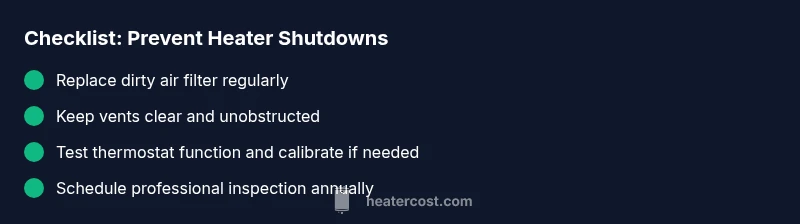
- Check and replace air filters regularly
- Verify thermostat functionality and settings
- Ensure vents and ducts are clear of obstructions
- Use a structured diagnostic flow before calling a pro
- Document shutdown patterns to aid troubleshooting