Why Do Heaters Make Clicking Noises? Troubleshooting Guide
Urgent troubleshooting guide to diagnose why heaters make clicking noises, what it means for safety, and how to fix common causes with practical steps and prevention tips.


Noise in a heater is often caused by thermal expansion of metal parts and thermostat cycling. Start by inspecting duct connections and air filters, then check the thermostat settings and battery. If the sound persists or you notice gas odor or ignition trouble, shut off power and call a licensed HVAC technician immediately.
Why Do Heaters Make Clicking Noises? Causes and Fixes
If you’re wondering why do heaters make clicking noises, you’re not alone. In many homes, a brief click at startup is normal, while frequent or loud clicks can signal a problem. The most common culprits are thermal expansion of metal parts and thermostat cycling. As metal heats, it expands and contracts, producing click sounds that can travel through ductwork. The thermostat also clicks to turn the system on or off; this can sound like a tiny relay closing.
Persistent clicking may indicate something more serious, such as an ignition issue in gas furnaces or a loose electrical connection. In this guide we break down why these noises happen, how to tell when they’re harmless, and what to do to reduce or fix them. We use plain-language explanations, practical checklists, and safety reminders to help homeowners quickly diagnose and address the issue. The core question still circles back to why do heaters make clicking noises and how to respond safely—not just to quiet the sound, but to protect your home’s comfort and safety.
Quick Checks You Can Do Right Now
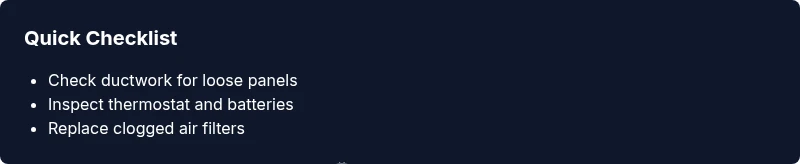
Before you call a technician, perform a few quick checks that can often solve the issue or at least narrow down the cause. Start with the easiest and safest tasks. Inspect visible ductwork for loose panels or gaps and tighten any screws you find. A loose panel can rattle and amplify clicking sounds. Check the air filter; a clogged filter reduces airflow and can cause the blower to work harder, producing unusual noises. Finally, listen to the thermostat location: if the thermostat cycles rapidly, it may be mis-set or old, and replacing batteries or upgrading the device can quiet the system.
If the noise persists after these steps, keep a short log of when it happens, what the system was doing, and any smells you notice. This information will help a pro diagnose the root cause and answer the question of why do heaters make clicking noises in your home.
Ductwork and Airflow: A Major Noise Source
Ductwork is a frequent source of clicking sounds. Expansion and contraction of metal ducts as they heat and cool can create precise ticking noises, especially near joints where panels meet. Weather conditions and changes in indoor humidity can intensify these effects. Inspect joints along supply and return ducts for loose fasteners, torn insulation, or gaps; reseal with mastic or foil tape as appropriate. Keep an eye on flexible ducts, which can shift when furniture is moved or during temperature swings. Proper insulation reduces rapid temperature changes and quiets the system. In many homes, simply stabilizing ducts and sealing leaks reduces clicking by a significant margin, improving overall efficiency.
For homeowners asking why do heaters make clicking noises, this ductwork expansion is often the primary culprit that’s both visible and fixable without professional help in many cases.
Thermostat and Electrical Controls: Keep Them Quiet
Thermostats control when the heater runs, and a loud click can be the relay switching on or off. Check the thermostat—old models or low batteries can cause erratic cycling and extra clicks. Replace batteries if needed, and consider upgrading to a smart thermostat with a softer start or night setback. Verify the wiring connections behind the thermostat and at the furnace control board; loose wires can produce crackling or ticking sounds. If you have a programmable thermostat, make sure the schedule doesn’t force frequent starts, which can mimic clicking noises. When diagnosing why do heaters make clicking noises, these electrical and control issues are a frequent source of audible clues.
Ignition, Flames, and Gas-Fired Furnaces: Safety Focus
Gas furnaces can emit a pronounced ignition click as the burner starts. A soft, quick click can be normal, but persistent, loud, or delayed ignition can indicate a problem with the igniter, gas valve, or flame sensor. If you smell gas or hear a sustained strong click, evacuate and call emergency services if needed, then contact a licensed HVAC technician. Do not attempt to light or troubleshoot gas components yourself. Regular maintenance by a professional helps ensure safe ignition and prevents dangerous buildup. Understanding why do heaters make clicking noises in this context is tied to clear safety boundaries and prompt action.
What to Do If You Hear Noise During Heating Cycles
If you hear a click while the heater is cycling, note the cycle length and temperature setpoint. Short, predictable clicks are often normal, but irregular or prolonged clicking warrants a closer look. Start by inspecting airflow and filter status; a dirty filter can cause the blower to run longer and produce extra noise. If you have a ducted system, check for air leaks at joints and seams. For electric heaters, ensure the heating elements are clean and not overheating. If the noise remains after these checks, it's time to consult a pro. This approach helps answer why do heaters make clicking noises and directs safe next steps.
Step-by-Step Fixes for the Most Common Causes
- Secure and seal ductwork: Turn off power, locate loose panels, tighten screws, and apply sealant. 2) Replace thermostat battery and test: Remove cover, replace batteries, recalibrate temperature, and observe cycle. 3) Clean or replace air filters: Shut off power, remove dirty filter, insert new one, and reset blower expectations. 4) Check ignition components (gas furnaces): If ignition hesitates or you detect gas odor, shut off gas and call a pro immediately.
These fixes address typical sources of clicking noises and form a practical workflow for homeowners answering the persistent question of why do heaters make clicking noises in practice.
Prevention: Routine Maintenance to Keep Noise Down
Routine maintenance is the best defense against unexpected heater noises. Schedule seasonal inspections, replace filters on a regular cadence, and keep air intakes clear of obstructions. Ensure ducts are properly sealed and insulated, and monitor thermostat performance for signs of aging. When you understand why do heaters make clicking noises, proactive care lowers the odds of loud surprises during peak winter usage. A small effort now prevents bigger repairs later.
When to Call a Professional: Red Flag Scenarios
Some clicking noises signal safety risks that require professional attention. If you notice a strong gas odor, hissing sounds, flame rollout, or ignition hesitation, shut off the system and contact a licensed HVAC technician immediately. Don’t attempt to diagnose or repair gas components yourself. If noises persist after basic checks, or you hear unfamiliar mechanical grinding or banging, scheduling a pro visit is the safest course of action to resolve why do heaters make clicking noises in your home.
Steps
Estimated time: 40-60 minutes
- 1
Power down safely
Turn off the furnace at the breaker and shut off any gas supply if you can do so safely. This minimizes risk as you inspect components.
Tip: Never bypass safety switches—stop and re-check before touching metal parts. - 2
Identify noise source
Move slowly around the unit and listen near ducts, the furnace cabinet, and the plenum. Pinpoint whether the sound comes from duct joints, the blower, or the ignition area.
Tip: Use a flashlight to inspect dark corners and joints. - 3
Tighten duct joints
Inspect all accessible duct joints and screws. Tighten where necessary and apply appropriate sealant or foil tape to seal gaps that can rattle when the system starts.
Tip: Don’t overtighten; you can strip screws or damage panels. - 4
Check the air filter and blower
Remove and inspect the air filter; replace if dirty. Ensure the blower housing is clean and the wheel turns freely without obstruction.
Tip: Keep a routine replacement schedule to maintain quiet operation. - 5
Inspect thermostat and wiring
Remove the thermostat cover, replace batteries, and verify settings. Check that wires behind the stat and at the furnace control board are secure and not damaged.
Tip: If you see loose wires, switch off power before touching them. - 6
Test run and observe
Restore power and run a test cycle. Listen for persistent clicks and note their timing relative to cycles.
Tip: Record any smells or unusual sounds to discuss with a pro. - 7
Call a professional if needed
If ignition issues persist or you detect a gas odor, turn off everything and contact a licensed HVAC technician immediately.
Tip: Gas-related problems are hazardous—seek expert help without delay.
Diagnosis: Heater makes unusual clicking noises
Possible Causes
- highThermal expansion/contraction of metal ductwork and components
- mediumThermostat or control cycling (normal operation or misconfiguration)
- lowIgnition sequence or gas valve operation in gas furnaces (possible issue)
Fixes
- easySecure loose duct panels and seal leaks; ensure proper insulation
- easyCheck thermostat settings, replace batteries, and consider upgrading thermostat
- hardIf ignition or gas issues are suspected, shut off power/gas and contact a licensed technician
Got Questions?
Why does my heater click when it starts?
A common explanation is thermostat cycling or metal expansion. Check the thermostat and ductwork first, then review the filter status. If you smell gas or suspect ignition issues, call a pro promptly.
A common reason is thermostat cycling or metal expansion. Start with the thermostat and ducts, and if you smell gas, call a professional right away.
Is a clicking heater noise dangerous?
Not always, but it can be a warning sign. If there’s a gas odor, ignition problems, or persistent abnormal noise, seek professional help immediately.
Not always dangerous, but persistent noise with gas odor requires immediate professional help.
Can I fix clicking noises myself?
Some basic checks like duct tightening and filter replacement are safe. Avoid working on gas lines or electrical controls unless you’re trained.
Some basic checks can be done safely, but avoid gas or electrical components if you’re not trained.
Should I replace the air filter to stop the noise?
Often yes. A dirty filter can reduce airflow and cause the blower to work harder, creating noise. Replace it and observe if the sound changes.
Replacing the filter can reduce noise by improving airflow.
When should I call a professional?
If you hear gas odors, ignition hesitations, or the noise persists after basic checks, schedule a professional inspection.
Call a pro if you smell gas or if the noise keeps happening after checks.
Can ductwork cause clicking noises?
Yes. Loose joints, gaps, or misaligned duct panels can click as they expand and vibrate. Tightening and sealing often reduces the noise.
Ducts can cause clicks when loose or leaking; sealing helps.
Watch Video
The Essentials
- Start with duct and filter checks to quiet noises.
- Thermal expansion explains many clicks; insulation helps.
- Do not ignore gas odors; call a pro immediately.
- Upgrade old thermostats to reduce cycling.
- Schedule regular furnace maintenance to prevent future noises.