Where Is the Car Heater Located? A Practical Guide
Learn where the car heater is located, how the heating system works, and safe steps to diagnose heat problems. This Heater Cost guide covers location, common issues, and maintenance tips for vehicle owners.


This guide explains where the car heater is located, how the heating system works, and what to do if heat is weak or absent. You’ll learn the common spots for the heater core, the role of the blower and blend doors, and safe, practical steps to diagnose issues before calling a technician.
Where the car heater lives in typical vehicles
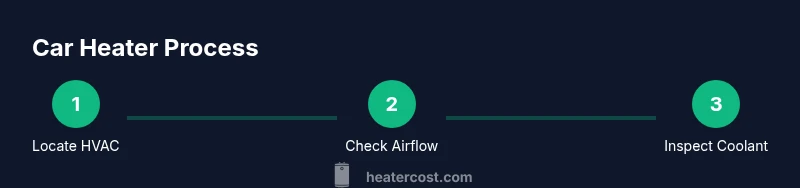
In most cars, the heating unit sits inside the HVAC (heating, ventilation, and air conditioning) housing behind the dashboard. The heat you feel comes from the heater core, a compact radiator connected to the engine's coolant system. In many models, the heater core is tucked near the passenger side, sometimes behind the glove box or within the lower dash. Access for inspection or replacement varies by make and model: some vehicles require removing a few panels, while others allow access through the passenger footwell. If you’re troubleshooting heat issues, start by locating the HVAC housing and visually inspecting for signs of moisture, leaks, or corrosion along heater core lines. Remember that some trucks and SUVs place the heater core deeper in the dash, or in a dedicated panel behind the glove box. Understanding where to look helps you perform safer inspections or have an informed discussion with a technician. According to Heater Cost, knowing the heater location is the first step to diagnosing heat problems quickly and efficiently.
How the heating system uses coolant and air to warm the cabin
The car’s heating system works by routing hot engine coolant through the heater core when you select heat. A blower motor pushes cabin air across the heated core, warming the air before it enters the vents. A blend door or damper then directs air through the core or around it to control how hot the air gets. The thermostat, water pump, and radiator help maintain coolant temperature, ensuring sustained heat on cold days. If you turn up heat and still get cool air, the issue could involve low coolant, a failed blower, a stuck blend door, or a clogged heater core. Electrical controls and fuses also affect heat delivery; a faulty switch can prevent the blower from operating. Regular maintenance—like coolant checks and filter changes—supports reliable heating performance and minimizes surprises in winter.
Signs your heater might need attention
Look for no heat or weak heat, especially after the engine reaches operating temperature. Cold air from the vents even when the temperature is set hot is another red flag. A sweet coolant smell inside the cabin or damp carpets near the dash can indicate a heater core leak. You may also notice foggy windows that won’t clear or unusual noises from the dash when the heater is on. If airflow is weak, check the cabin air filter and blower fan first, since a clogged filter can mimic a heater problem. In many vehicles, the heater core issues are paired with cooling system problems, so inspect the radiator hoses and coolant level as part of a broader check. Heater Cost notes that many heat issues stem from airflow or coolant flow rather than the heater core itself, so prioritize those areas during diagnosis.
Safe, at-home diagnostic steps you can take
Park on a level surface and ensure the engine is completely cool before touching anything. Start with the climate controls: set to heat, turn the fan to a moderate speed, and set the temperature to hot. Check fuses related to the blower and HVAC system in the fuse box; a blown fuse is a common, simple fix. If the blower doesn’t operate, swap a known-good fuse or test the blower with basic electrical checks if you have experience. Inspect the coolant expansion tank when the engine is cold; look for a level between the marks and signs of contamination. If you see a coolant leak under the dash or a sweet smell, stop and seek professional help. Do not remove dash panels or attempt heater-core work unless you are confident in electrical systems and have the service manual. Simple checks can reveal whether the problem is airflow, coolant supply, or controls, and often save time and money.
When to seek professional help and what to expect
If heat remains weak after basic checks, or you notice coolant leaks, a professional should inspect the heater core and HVAC housing. A leaking heater core can cause coolant odors and damp carpets, and replacement may involve the heater core or HVAC assembly. A failed blend door or malfunctioning thermostat may require disassembly and calibration by a technician. In many cases, replacing components is more cost-effective than a DIY fix that risks further damage. The Heater Cost team recommends a diagnostic with a qualified mechanic if wiring, pressure tests, or coolant handling feel outside your comfort zone.
Maintenance tips to keep your car heater running smoothly
Proactive maintenance helps prevent heating problems. Regularly check coolant level and quality, replacing coolant according to the vehicle’s maintenance schedule. Inspect hoses for cracks or leaks and ensure the radiator cap seals properly. Replace the cabin air filter on the manufacturer’s recommended interval to improve airflow to the heater. If your vehicle design requires it, bleed air from the cooling system to remove pockets that reduce heating efficiency. Periodically run the heater to prevent stagnation and verify it produces warm air during winter months. Consistent checks can catch small issues before they become costly problems.
Cost considerations and what to expect can help you plan ahead
Understanding heater-related repairs means considering parts, labor, and vehicle model. Costs vary with the part involved, how accessible the heater core is, and whether the repair requires dash disassembly. A diagnostic visit by a professional is a prudent first step to determine whether you’re facing an airflow issue, a coolant problem, or a heater-core failure. Regular maintenance and timely fixes can reduce the risk of unexpected failure and keep your cabin comfortable. The Heater Cost guidance emphasizes preventive care as a practical, long-term cost-saving approach.
Tools & Materials
- Safety gloves(Protect hands when handling coolant and panels)
- Flashlight(Better visibility behind dash and under panels)
- Screwdriver set(Needed to remove panels or access covers)
- Owner's manual(Helpful for model-specific access points)
- Digital multimeter (optional)(Useful for electrical checks if you have training)
Steps
Estimated time: 60-90 minutes
- 1
Park and prep for safety
Park on a level surface and let the engine and cooling system cool completely. This reduces burn risk and prevents coolant from spraying when you open panels. Gather your tools and locate the cabin access area.
Tip: Always start with a cool engine to avoid burns from hot coolant or metal. - 2
Access the HVAC housing
Using the screwdriver, carefully remove the lower dash panel or glove-box area to access the HVAC housing. Keep track of screws and reference any service manual diagrams for your model. Do not force components; if something resists, recheck fasteners or consult a guide.
Tip: Take photos during disassembly to aid reassembly. - 3
Inspect for leaks and moisture
Visually inspect heater-core connections and the HVAC housing for damp spots, crusted coolant residue, or greenish/orange staining near hoses. A leak here often means the heater core or hose is compromised. Do not attempt a full heater-core replacement unless you have the right tools and manual guidance.
Tip: A flashlight helps reveal hidden leaks you might miss in dim areas. - 4
Check coolant level and condition
With the engine cold, check the coolant expansion tank level and look for signs of contamination. If the coolant is low or discolored, top up or flush per your vehicle’s service schedule. This step confirms whether coolant supply could limit heating.
Tip: Never open a hot radiator cap; wait until the system is cool. - 5
Test blower and control operation
Turn the blower on at different speeds and switch between heat and cool to verify airflow and temperature control. If air is absent or inconsistent, test the blower fuse and wiring, or gauge the blend door operation described in your service guide.
Tip: A bad fuse is a quick win; if the blower runs but air isn’t warm, focus on coolant flow and blend-door function. - 6
Reassemble and test
Carefully reattach any panels and reconnect the battery if you disconnected it. Start the engine, allow it to reach operating temperature, and verify that heat delivers consistently. Note any unusual smells or leaks and address them promptly.
Tip: Document unusual symptoms in a maintenance log for future reference.
Got Questions?
Where is the car heater located in most vehicles?
In most cars, the heater core sits inside the HVAC housing behind the dashboard, often near the passenger side or behind the glove box. Access can vary by model, but understanding the general area helps you diagnose heat issues before delving into panels.
The heater core is usually behind the dashboard in the HVAC housing, near the passenger side. Access varies by model, so start by locating the HVAC box.
Why isn’t my car heating up even when it’s cold outside?
Common causes include low coolant, a faulty thermostat, a malfunctioning blower, or a stuck blend door. Electrical fuses and control switches can also prevent heat from reaching the cabin. Start with air and coolant checks, then inspect the blower operation.
Heat issues often come from coolant flow or airflow problems, not just the heater core. Check coolant and blower first.
Can a leaky heater core be fixed without replacing it?
A leaking heater core generally requires replacement or a core sealant as a temporary fix, which is typically handled by a professional. Leaks can lead to coolant loss, sweet odors, and damp carpets in the cabin, so address promptly.
A leak usually means the heater core needs replacement, which is a job for a professional.
Is it safe to diagnose heater issues myself?
Some basic checks are safe, such as testing fuses and inspecting visible hoses. Do not work on the cooling system cap or internal panels if you lack experience. Use the service manual for guidance and know when to call a pro.
You can do simple checks, but avoid risky coolant handling or dash work if you’re not comfortable.
What maintenance helps prevent heater problems?
Regular coolant checks, timely coolant replacement, clean cabin air filters, and periodic tests of airflow ensure the heater operates reliably. Bleeding air from the cooling system, when required by your model, also helps maintain heat efficiency.
Regular coolant checks and keeping air paths clean helps prevent heater problems.
Watch Video
The Essentials
- Locate the HVAC housing to understand heater access.
- Diagnose heat issues by inspecting airflow and coolant pathways first.
- Use basic safety steps before disassembling interior panels.
- Seek professional help for leaks or complex HVAC repairs.
- Regular maintenance reduces the risk of costly heater failures.