When to Turn Off a Water Heater: A Practical Guide
Learn exactly when and how to safely turn off your water heater, for gas or electric models. Practical steps, safety tips, and restart guidance from Heater Cost to protect your home and save energy.


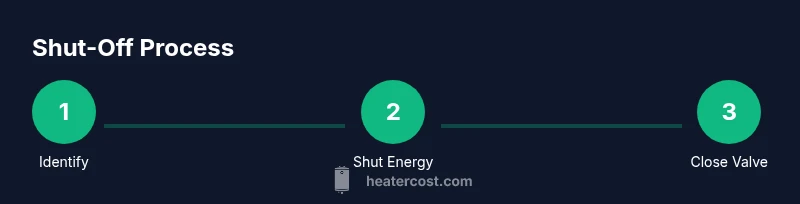
To safely turn off your water heater, identify the correct shut-off source for your system: a gas valve, an electric breaker, or the main cold-water shutoff. Use the appropriate method for your model, shut off energy first, then close the cold-water inlet, and wait for any hot water to cool before restarting. According to Heater Cost, acting promptly in maintenance, leaks, or safety scenarios reduces energy waste and minimizes risk.
When to Consider Turning Off a Water Heater
There are several responsible reasons to turn off your water heater. Regular maintenance or scheduled servicing may require the unit to be powered down. If you detect a leak around the tank, hear unusual noises, notice a gas smell, or see discoloration on the exterior, safety dictates turning the unit off and calling a professional. If you are leaving your home for an extended period, such as a vacation or business trip, turning off the heater can prevent energy waste and reduce risk of damage in case of a plumbing fault. According to Heater Cost, understanding the precise conditions under which turning off is appropriate helps homeowners avoid unnecessary energy draw, while still preserving system readiness when you return. Being proactive also makes it easier to coordinate with a licensed technician for service windows and permits if needed. Remember, different fuel types require different shut-off steps, so identify your model’s energy source before acting.
Safety First: Recognizing Risks and When Not to Turn Off
Turning off a water heater can be a smart move, but there are scenarios where you should leave it on or handle differently. If you have guests or tenants relying on hot water, consider coordinating a controlled shutdown rather than a full power cut. Do not turn off the heater in the presence of a gas smell without evacuating and calling emergency services. For some appliances, a full shutdown can lead to rapid pressure changes or scalding risk if hot water remains in pipes. The Heater Cost team emphasizes that safety must come first: if you’re uncertain about valve locations, or if there’s any sign of a gas leak, call a licensed professional instead of trying to remedy the situation yourself. When in doubt, shut off the energy source at the main supply and contact your utility or a plumber for guidance.
Gas vs Electric: How Shut-off Valves Differ
Gas water heaters typically have a gas supply shut-off valve located on the gas line feeding the unit. To stop the flow, turn the valve perpendicular to the pipe to OFF. Electric water heaters are shut off by switching off the corresponding circuit breaker at the home’s main panel or, in some setups, using a nearby service disconnect. Some models also have a dedicated cold-water shutoff valve on the intake line. Understanding these differences helps homeowners avoid accidental energy loss and ensures a safer restart.
Safe Gas Water Heater Shut-off: Step-by-Step Guide
If you must shut off a gas water heater, start by locating the gas shut-off valve on the line feeding the heater and verify you have a clear area to work. Use proper lighting and keep flames away; do not operate electrical switches near gas lines. Rotate the valve handle so it sits perpendicular to the pipe (OFF). After shutting the gas, proceed to close the cold-water inlet valve to stop more water from entering the tank. If you smell gas at any point, evacuate immediately and call emergency services. The Heater Cost team notes that labeling valves and keeping a written plan near the heater reduces confusion during emergencies and maintenance.
Safe Electric Water Heater Shut-off: Step-by-Step Guide
Electric water heaters are shut off by switching off the circuit breaker dedicated to the unit at the main electrical panel. If accessible, you can also use a dedicated disconnect switch near the heater. After cutting power, close the cold-water supply valve on the inlet line to stop additional water from entering the tank. If you plan to service the unit, verify that the unit has cooled and that you can safely access wiring and panels. The Heater Cost guidance emphasizes using a tester to confirm power is off before touching any components.
After Shutting Off: What Should You Do Next?
Once the energy source is off, inspect for any signs of leaks around the tank, valves, or piping. If you notice a leak, shut off the main water supply and contact a licensed plumber. If you are performing maintenance, follow the service manual’s restart instructions precisely. Do not restore power or gas until all work is complete, the area is dry, and you are confident there are no leaks. The goal is to prevent scalding risks, frozen pipes, or pressure build-up when you re-energize the system.
Seasonal Shutdown and Vacation Scenarios
For extended absences, turning off a water heater can reduce energy consumption and lower risk of water damage. If you rent out a property or go on vacation, coordinate any shut-down with tenants or property managers, and leave a simple checklist for restarting. The Heater Cost team recommends a pre-travel check that includes inspecting valves for stiffness, checking for leaks, and ensuring the gas line or electrical disconnect is clearly labeled. Remember to confirm building code requirements or HOA rules if you are away for several weeks.
Restarting Safely: How to Turn Back On
Restarting requires reversing the shut-off steps in the proper order. Reopen the cold-water inlet valve, then restore power or gas supply. Allow the tank to reheat gradually and check for leaks as it fills. Open a nearby hot-water faucet to vent air and confirm hot water is warming again. If you notice hissing sounds, smells, or leaks, shut off the system immediately and consult a professional. The Heater Cost team’s verdict is to restart only after a thorough safety check and a visual inspection of valves and pipes.
Tools & Materials
- Adjustable wrench(For gas line fittings if needed)
- Non-contact voltage tester(Verify power is off)
- Screwdriver set(Access panels and breakers)
- Flashlight(Inspect valve labels in dim areas)
- Bucket and towels(Catch drips during valve operations)
- Gloves and eye protection(Personal safety during handling)
- Plumber's tape (Teflon tape)(Optional resealing for fittings)
Steps
Estimated time: 15-45 minutes
- 1
Identify shut-off sources
Locate the gas shut-off valve on the gas line, the main electrical panel breaker for the heater, and the cold-water inlet valve on the tank. Confirm which energy source powers your unit so you know which switch or valve to operate. Keep your flashlight handy and consult the owner's manual if labels are unclear.
Tip: Label each shut-off clearly so future you can act quickly. - 2
Shut off the energy supply
For gas: rotate the shut-off valve to OFF. For electric: switch the dedicated breaker to OFF or use the disconnect switch if available. Confirm power is truly off using a voltage tester before touching any wires or connectors.
Tip: Never rush a shut-off; confirm de-energization to avoid shocks. - 3
Close the cold-water inlet valve
Turn the cold-water shut-off valve clockwise until snug to stop more cold water from entering the tank. This prevents refilling while you work and reduces overflow risk when you restart. If the valve is stiff, do not force it; seek professional help.
Tip: A slowly tightened valve reduces wear and avoids leaks. - 4
Relieve pressure and drain if advised
Open a hot-water faucet in a nearby sink to relieve pressure in the tank and allow air to escape as it cools. If your service manual recommends draining for maintenance, do so according to the instructions. Avoid exposure to hot water during this step.
Tip: Vent air gradually; rushing can cause scalding injuries. - 5
Verify shutdown and label
Double-check that the energy source is off and that the cold-water valve is closed. Visually inspect for any signs of leaks around fittings and valves. If replacements or repairs are needed, contact a licensed professional before restarting.
Tip: A quick visual check prevents surprises on restart. - 6
Plan restart and safety checks
Before re-energizing, ensure the area is dry, the valves are labeled, and there’s no gas smell or obvious issues. Reopen the cold-water valve, re-energize the power or gas supply, and monitor for leaks as the tank fills. Only restart when all indicators are normal.
Tip: Take photos of valve positions before restarting for reference.
Got Questions?
What are the main reasons to turn off a water heater?
Key reasons include scheduled maintenance, detected leaks, gas smells, or planning long absences. Turning off the energy source first minimizes energy waste and potential hazards, followed by closing the cold-water supply. Always restart only after safety checks are complete.
Main reasons are maintenance, leaks, gas smells, and long absences. Turn off the energy source first, close the cold-water valve, and restart only after safety checks.
Is it safe to turn off the water heater during a vacation?
Yes, for extended absences, shutting off the heater can save energy and reduce risk. Make sure to shut off the energy source, close the cold-water valve, and confirm there are no leaks. When you return, restart following the safe restart steps.
Absolutely, if you’re away for a while, shut it off, then restart safely when you return.
Can turning off the water heater cause damage to the tank?
Turning off the heater itself does not typically damage the tank if done correctly. Problems arise if valves are forced or leaks develop. Always follow the manual and consult a pro if you notice corrosion, leaks, or gas issues.
Shutting it off properly won’t damage the tank, but avoid forcing valves and call a pro if you see leaks.
Should I shut off the cold-water valve after turning off energy supply?
Shutting the cold-water valve helps prevent refilling during maintenance and reduces overflow risk. Open it only when you’re ready to restart and draining isn’t required by your service procedure.
Yes, close the cold-water valve after cutting energy, then reopen only when you’re ready to restart.
When can I restart the heater after turning it off?
Restart after all safety checks are complete and there are no signs of leaks or hazards. Reopen the energy source, then slowly reopen the cold-water valve and monitor for any issues as the tank re-fills.
Restart only after safety checks, then monitor for leaks as it refills.
Is there a difference between turning off gas versus electric heaters?
Yes. For gas, shut off the gas valve first, then the cold-water inlet. For electric, switch off the circuit breaker or disconnect, then close the cold-water inlet. Both require confirming power is off before handling components.
Gas requires shutting the gas valve; electric uses the breaker, then the cold-water valve.
What should I do if I smell gas after turning off the heater?
If you smell gas, evacuate immediately and call emergency services. Do not operate electrical switches or create sparks. Wait for responders to arrive before returning to the area.
If you smell gas, leave immediately and call emergency services.
Do I need to drain the tank when turning off?
Draining the tank is only necessary for certain maintenance tasks. Most shutdowns do not require draining; consult the service manual or a professional for specific procedures.
Draining isn’t always needed; follow the manual or ask a pro for guidance.
Watch Video
The Essentials
- Identify the correct shut-off sources before acting
- Always shut off energy first (gas or electricity) when safe
- Close the cold-water supply to prevent fresh water intake
- Relieve pressure and wait for the system to cool before restart
- Restart only after a full safety check and leak inspection