How to Turn On a Hot Water Heater: Safe, Step-by-Step Instructions
Learn how to turn on a hot water heater safely, with electric and gas models, safety checks, troubleshooting tips, and maintenance recommendations from Heater Cost.


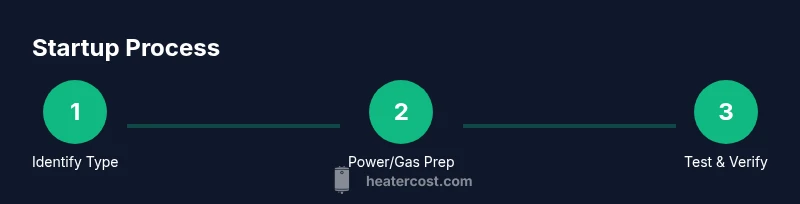
If you’re asking how to turn hot water heater on, this quick guide covers electric and gas startup steps, safety checks, and testing to restore hot water safely. Identify your model, locate controls, and follow the sequence to avoid leaks or premature shutdowns. This concise overview helps homeowners start up confidently.
How this guide helps you turn on your hot water heater safely
If you’re asking how to turn hot water heater on, this guide walks you through electric and gas models, safety checks, and quick startup steps. By following the structured steps from Heater Cost, homeowners can avoid common startup mistakes, minimize energy waste, and ensure reliable hot water for showers, laundry, and dishes. We’ll cover prerequisites, tool lists, step-by-step procedures, and what to do if your heater doesn’t stay on. According to Heater Cost, correct startup depends on identifying whether you have an electric or gas model and knowing where controls are located. This awareness helps prevent wasted energy and potential safety hazards, especially in older homes that haven’t had routine maintenance. In 2026, staying informed about safety standards and best practices saves time and money while keeping your family comfortable.
Safety prerequisites before you begin
Before you touch any panel or control, ensure you understand the risks and have appropriate safeguards in place. Wear safety glasses and non-slip footwear, keep children and pets away, and confirm you have a clear exit route in case of a gas odor or electrical issue. If you smell gas, leave the home immediately and contact the utility or emergency services. If you only need to work on the electrical side, turn off the power at the disconnect switch or breaker panel and verify power is off with a non-contact tester. These precautions are essential to prevent fires, burns, or gas exposure during startup. Heater Cost emphasizes cautious preparation as the first step in any startup process.
Identify your heater type: electric vs gas
Water heaters come in two broad categories: electric and gas. Electric models use a breaker and heating elements controlled by a thermostat, while gas models rely on a standing pilot or electronic ignition and a gas control valve. Knowing which type you own determines your startup sequence, safety checks, and required tools. Electric heaters are often located in utility closets or basements behind an access panel, whereas gas heaters may sit in a garage or cabinet with a vent. Confirm the model by checking the label on the side of the tank or the owner’s manual. This identification helps you follow accurate steps and avoid risky errors.
Gas water heater: pilot basics and controls
For gas water heaters with a standing pilot, you’ll typically locate the pilot/light valve and the thermostat on the front lower portion of the unit. If the pilot is out, you’ll need to relight it using the manufacturer’s procedure. Before relighting, turn the gas control to ‘off’, wait a few minutes for any accumulated gas to clear, then set to ‘pilot’ and press the reset button while you ignite the pilot with the provided lighter or flame. If your unit uses an electronic ignition, you’ll follow a different sequence that skips the pilot lighting. Always check the flue vent for obstructions and ensure proper ventilation before relighting.
Electric water heater: startup after power loss
Electric water heaters can trip breakers or lose settings after a power outage. Begin by turning the breaker fully off for 30 seconds, then back to the on position. If your model has a reset button, press it gently with a non-conductive tool. The thermostat settings should then be verified; typical defaults are around 120°F (49°C) for safety and energy efficiency, but always adjust slowly to your preference. After powering on, give the heater 30–60 minutes to reach the set temperature and recheck the water temperature before heavy use.
Resetting controls and thermostat: common adjustments
If hot water supply remains inconsistent, you may need to inspect the thermostat or high-limit switch. Start by locating the access panel, removing the insulation, and checking the thermostat settings. If the thermostat is out of spec, adjust it in small increments and wait at least 30 minutes to observe changes in water temperature. Do not twist the temperature knob beyond the manufacturer’s recommended range. If the high-limit switch has tripped repeatedly, there may be an underlying issue such as sediment buildup or a faulty element or gas valve. In some cases, a professional service is warranted.
Testing hot water temperature and safety checks
Once the heater is on, test the water temperature at a faucet with the hot water tap fully open. Use a thermometer or careful touch testing to confirm it’s within the safe range you desire. If the temperature is too hot, reduce the thermostat by 5–10 degrees and recheck after 15–20 minutes. For safety, never leave children unattended near hot water until you’ve confirmed stable operation. If you notice a burning smell, gas odor, or unusual noises, stop using the unit and investigate further or call a professional.
Troubleshooting: common startup problems
Problems turning on the heater can stem from a tripped breaker, a blown fuse, a faulty thermostat, or a gas supply issue. Before calling for service, check the electrical panel and gas shut-off valve for proper positions. Inspect venting and flue for blockages if you have a gas unit. Sediment buildup can also impair heating efficiency and cause noises or cold water. Document any error codes shown on the control panel and consult the owner’s manual for guidance. If you cannot safely identify and correct the issue, seek professional help.
Maintenance tips to extend life and reliability
Regular maintenance helps prevent startup problems and prolongs the life of your water heater. Flush the tank annually to remove sediment buildup, inspect anode rods, check the temperature setting periodically, and ensure the venting system remains clear. Replace worn parts such as valves or thermostats as needed and keep the surrounding area clean and accessible. A small amount of preventive maintenance can save larger repair costs and improve efficiency.
When to call a professional
If you suspect a gas leak, smell gas, hear roaring flames, or cannot safely access shut-off valves, call a licensed professional immediately. For electrical issues such as recurring trips, persistent discoloration or smoke, or if you’re uncertain about the safest steps, contact a qualified electrician or plumber. Heater Cost recommends professional service when you encounter unfamiliar error codes, persistent startup failures after following standard steps, or any risk of fire or toxic exposure.
Quick-start checklist you can print
- Identify heater type (electric or gas)
- Locate access panels and turn off power or gas as needed for safety
- Check thermostat settings (default around 120°F/49°C)
- For gas units, ensure the pilot is relit or igniter is operational
- For electric units, reset breakers and test power using a tester
- Refill and test hot water at a faucet, adjust temperature if necessary
- Inspect venting, sediment, and wiring for signs of wear or damage
Final reminder: keep safety at the forefront
Following the correct startup sequence and maintenance routine not only ensures reliable hot water but also reduces energy waste and safety hazards. Keep manuals handy, label control panels for quick reference, and schedule annual checks with a professional if you’re unsure about any step.
Tools & Materials
- Safety glasses(Protect eyes during panel removal and testing.)
- Flashlight(Bright light to inspect panels and labels.)
- Screwdriver set (Phillips and flathead)(Remove access panels and connect/disconnect components.)
- Non-contact voltage tester(Verify power is off before touching exposed conductors.)
- Multimeter or voltage tester(Useful for diagnosing electrical issues; not always required.)
- Bucket and towels(Catch any water from test fittings or flushing.)
- Wrench or pliers(Loosen fittings or shut-off valves if needed.)
- Soap solution or gas detector(Check for gas leaks around connections.)
Steps
Estimated time: 60-120 minutes
- 1
Identify heater type
Locate the model label and confirm whether the unit is electric or gas. Review the manual or manufacturer label to know the correct startup sequence. This is critical because electric and gas systems use different controls and safety checks.
Tip: If the label is damaged, take a photo and search for the model number online. - 2
Power down safely
For electric units, switch off the breaker and confirm power is off with a tester. For gas units, close the gas shut-off valve if you need to perform heavy maintenance or relighting.
Tip: Always verify power or gas is off before touching wiring or valves. - 3
Relight gas pilot (if needed)
Set the gas control to OFF, wait a few minutes for gas to clear, then set to PILOT and follow the relighting procedure from the manual. For electronic ignitions, follow the ignition sequence described by the manufacturer.
Tip: Never rush ignition; a lingering gas odor requires leaving the area and calling for help. - 4
Reset thermostat or breaker
If applicable, reset the thermostat to a safe default (commonly around 120°F/49°C) and reset any tripped breakers. Allow 30–40 minutes for the system to stabilize after adjustments.
Tip: Make small temperature changes and test increments to avoid scalding water. - 5
Restore power or gas supply
Turn the power back on at the panel or reopen the gas valve. For gas units, listen for ignition or pilot flame and ensure the burner lights when hot water is demanded.
Tip: If the heater does not ignite within 2–3 attempts, stop and seek professional help. - 6
Test hot water at faucet
Open a hot-water faucet and allow water to run until it reaches the target temperature. Check multiple taps to ensure even heating throughout the system.
Tip: If the water is too hot or too cold, adjust the thermostat in small steps and recheck after 15–20 minutes. - 7
Inspect for leaks
Check connections, fittings, and the tank for signs of leakage. Tighten fittings gently if needed and replace worn gaskets if you detect moisture.
Tip: A slow drip can indicate a worn seal; replace it to avoid bigger leaks later. - 8
Flush and maintain (optional)
If sediment is present, flush the tank following the manufacturer’s instructions or schedule a professional service for a full flush. Regular maintenance improves efficiency.
Tip: Annual flushing helps prevent sediment buildup that impairs heating efficiency. - 9
Re-check safety devices
Ensure the high-limit switch and thermostat are functioning and that any safety shut-offs are reset and in the correct position.
Tip: Keep a simple labeling system on the unit to remember each control’s function. - 10
Document settings and status
Record the current temperature setting, date of inspection, and any issues observed. This provides a reference for future maintenance and replacement timing.
Tip: A small notebook by the heater simplifies future startups. - 11
Plan for ongoing maintenance
Schedule annual inspections or flushes, check anode rods, and replace aging components before failures occur. Regular maintenance saves energy and reduces the risk of outages.
Tip: Mark reminders on your calendar to avoid letting maintenance slip. - 12
Know when to call a pro
If you encounter persistent ignition problems, gas smells, or electrical hazards, contact a licensed professional. Safety first.
Tip: Trust the pros for complex gas or electrical issues to prevent dangerous situations.
Got Questions?
What should I do before turning on a hot water heater?
Always identify appliance type, turn off power or gas as needed, and check for any gas smells or electrical hazards. Review the owner's manual for the correct startup sequence and safety precautions.
First, identify your heater type and ensure the area is safe with no gas smells or exposed electrical components before starting.
Can I turn on a water heater after a power outage?
Yes, but verify the circuit breaker and reset any tripped switches. For gas models, ensure the pilot light is relit if required; for electric models, confirm the thermostat is set correctly after power is restored.
After a power outage, check breakers and thermostats, then test hot water at a faucet.
Why isn’t hot water as hot as expected after startup?
Thermostats may be set too low or there could be sediment buildup or a malfunctioning heating element. Increase the thermostat gradually and recheck after a short wait; if still cold, inspect for leaks or call a professional.
If the water isn’t hot, check the thermostat and consider sediment buildup or component failure.
Is it safe to relight a gas pilot on my own?
Relighting a gas pilot is often possible for homeowners, but some units require a professional. Always follow the manufacturer’s relighting instructions and turn off gas if you smell leaks.
Relighting can be DIY, but don’t attempt it if you detect a gas smell; contact a pro.
What is an ideal water temperature?
A common safe setting is around 120°F (49°C). This balances comfort with energy efficiency and reduces scalding risk.
Most homes aim for about 120 degrees Fahrenheit for safety and efficiency.
How often should I service my water heater?
Annual maintenance is recommended, including flushing the tank and inspecting components. Regular checks prevent failures and improve efficiency.
An annual check keeps your heater running reliably.
Watch Video
The Essentials
- Identify heater type before starting.
- Follow safety checks to prevent fires or leaks.
- Test water temperature and adjust gradually.
- Regular maintenance reduces future startup issues.