What If Water Heater Is Leaking? Quick Troubleshooting and Safety Guide
Urgent, step-by-step troubleshooting for leaks in water heaters, with practical checks, safe actions, and when to call a pro. Learn how to diagnose and respond quickly.


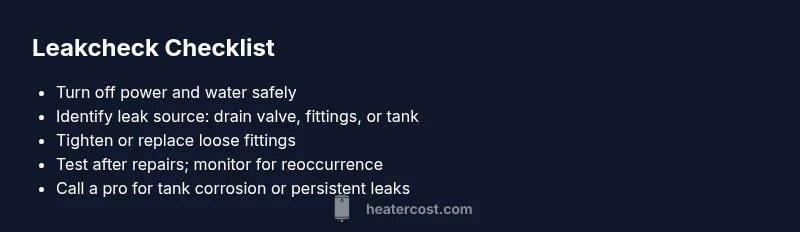
Water heater leaks require urgent action. The most common causes are a loose drain valve, worn inlet/outlet connections, or a corroded tank seam. Quick fix: shut off the cold-water supply and electricity/gas, place a bucket under the leak, and tighten accessible fittings. If the leak persists or you see rust, contact a licensed plumber immediately.
Understanding the Urgency and What the Warning Signs Mean
When a water heater starts leaking, the clock is ticking. Leaks can range from a minor drip to a steady stream that damages floors and walls. For homeowners wondering what if water heater is leaking, the most important first step is to assess the source and act fast to minimize damage. In many homes, small leaks come from loose fittings or the drain valve, not the tank itself. However, a leak at the tank seam or a corroded surface indicates a more serious failure. Heater Cost notes that leaks are a common sign of aging equipment, and addressing them promptly can save thousands in potential damage over time. By understanding the symptoms and typical root causes, you can prioritize safe actions and decide when to call in a pro. The key is to stay calm, shut off utilities if safe, and work from the outside in—checking fittings before you consider replacing the entire unit.
Common Causes of Leaks
Leaks aren’t always catastrophic; many originate from simple, fixable parts. The most frequent culprits are a loose drain valve, a leaking inlet or outlet connection, or a worn T&P (temperature and pressure) relief valve. Over time, mineral buildup and corrosion can wear seals and gaskets, allowing water to escape at joints rather than from the tank itself. A corrosion-embedded tank seam is a red flag that the appliance is aging and may need replacement. In some homes, the pipe routing or poor installation creates drip paths that mimic a tank leak. By identifying the exact location of the moisture, you can determine whether the remedy is a tightening, a part replacement, or a full unit upgrade. Heater Cost's analysis highlights that most residential leaks originate from fittings rather than the tank, but tank leaks demand immediate attention.
Safety First: Immediate Actions to Take
Safety is the first priority. If you notice water pooling, shut off power or gas to the unit immediately if it’s safe to do so. Then close the cold-water supply to the heater to reduce inflow. Place a bucket or towels to manage the water, and avoid touching electrical components with wet hands. Do not hammer or weld parts to stop a leak; improvised fixes can create shocks or fire hazards. If you smell gas or hear hissing near the connection, evacuate and call emergency services. After you reduce the immediate risk, document the leak with photos for your records and insurance. This information helps when you contact a plumber or a technician. Finally, never ignore a persistent leak—even a small drip can indicate a failing valve or gasket that worsens over time.
Diagnostic Steps You Can Do Before Calling a Pro
Start with the simplest checks and work toward the more involved ones. First, locate the source of the moisture. Is the water coming from the drain valve, the inlet/outlet connections, or the relief valve? Check the drain valve for looseness; tighten gently with a wrench, ensuring you don’t over-tighten and strip the fitting. Inspect the cold-water inlet and hot-water outlet connections for corrosion or wetness; reseal as needed with appropriate plumber’s tape and pipe dope. If the water is dripping from the T&P valve, it may indicate excessive pressure or temperature in the tank—this needs professional assessment. Finally, look for signs of corrosion on the tank shell and around fittings. If you identify a tank seam leak or widespread rust, plan for professional replacement soon.
Step-by-Step Fixes for the Most Common Causes
- Loose drain valve: Turn off power, place a bucket, and tighten the valve by a quarter-turn with a wrench. Check for dampness after a short test.
- Leaking fittings: Clean the threads, apply fresh plumber’s tape to male threads, reconnect, and tighten evenly. Recheck in 24 hours.
- T&P valve leaks: Do not cap the valve. If sealing is impossible, replace the valve with a manufacturer-approved unit and verify proper discharge routing.
- Tank fittings and corrosion: If the shell shows rust or holes, replacement is usually the safest option. Avoid DIY tank welding and call a licensed professional.
When to Replace vs Repair and How to Budget
A leak from a tank seam or widespread corrosion often means the unit has reached the end of its lifespan. In many homes, replacing the water heater is more cost-effective than frequent, incremental repairs. Consider the unit’s age, energy efficiency, and local code requirements when deciding between repair and replacement. A professional can help you compare the estimated lifetime costs of repairing a part versus installing a new unit with modern efficiency. Heater Cost recommends requesting an in-person assessment to determine whether a repair or replacement yields the better long-term value, especially if the existing system is older than 10-12 years.
Maintenance Tips to Prevent Future Leaks
Regular maintenance reduces leak risk and extends equipment life. Schedule annual inspections to check for corrosion, sediment buildup, and valve integrity. Flushing the tank annually helps remove mineral deposits that contribute to corrosion and pressure problems. Inspect expansion tanks and pressure regulators to ensure proper function. Replace worn valves and seals as soon as you notice signs of leakage. Keep the area around the heater dry and unobstructed so you can detect moisture early. Finally, use a drain pan with a moisture sensor if the heater sits in a frequently damp area to provide early warning before water reaches floor level.
What to Expect from a Professional Inspection and Possible Outcomes
A licensed plumber or HVAC technician will perform a pressure test, inspect the tank and fittings, and verify discharge routing. They may recommend a full replacement if the tank shows heavy corrosion, if the energy efficiency is low, or if modern code requirements demand an upgraded system. A professional can also advise on expansion tanks, proper venting, and safe installation practices to prevent future leaks. If the technician confirms a leak from the tank, you can discuss options for a high-efficiency tank or a tankless system, depending on your home’s needs and budget. Heater Cost emphasizes that investing now in a safe, reliable system reduces the risk of costly damage later.
Steps
Estimated time: 60-120 minutes
- 1
Ensure safety and access
Shut off power (electric, gas, or propane) and water supply if safe to reach the heater. Clear the area and prepare towels and a bucket. Verify you can reach the shutoff valves without stepping into pooled water.
Tip: Test the power at the breaker panel before touching any wiring. - 2
Identify the leak source
Carefully observe where moisture originates: drain valve, fittings, TPR valve, or tank seam. Use a dry cloth to wipe and recheck; a second passing test confirms the source.
Tip: Moisture around the drain valve is the easiest to fix. - 3
Tighten or seal simple fittings
Gently tighten loose drain valve and pipe connections. Apply plumber’s tape to male threaded joints as needed and re-test for leaks.
Tip: Avoid over-tightening; aluminum/soft fittings strip easily. - 4
Address the TPR valve condition
If the TPR valve drips, inspect for correct discharge path and consider replacing the valve if it’s old or damaged. Do not disable the valve.
Tip: Do not cap or block the discharge outlet. - 5
Assess tank integrity
If you detect corrosion or pooling from the tank shell, plan for replacement. Do not attempt to weld or repair a corroded tank.
Tip: A professional assessment is recommended for tank leaks. - 6
Restore service and monitor
Turn the water and power back on, then monitor for further leaks. If leakage recurs, schedule a professional service promptly.
Tip: Keep a log of date, leak source, and actions taken.
Diagnosis: Visible leak from water heater
Possible Causes
- highLoose or faulty drain valve
- highLeaking inlet/outlet fittings
- mediumCorrosion or tank seam leak
- lowPressure relief valve (TPR) issues
Fixes
- easyTighten drain valve and inspect fittings; replace if necessary
- mediumReplace faulty fittings or valve; seal or reseal threads with plumber’s tape
- hardShut off power and water, drain tank to inspect tank condition; replace unit if tank shows corrosion
Got Questions?
What should I do first when I notice a water heater leak?
Turn off the power or gas to the unit and shut off the cold-water supply if safe. Then place a bucket or towels to catch drips and inspect the source of the leak.
First, turn off power or gas and shut the cold-water supply. Use towels or a bucket while you inspect the leak source.
Is a leaking water heater always a sign I need a new unit?
Not always. Leaks from fittings may be repairable, but a leak from the tank seam or extensive corrosion usually means replacement is needed.
Not always. Leaks from fittings can be repaired, but tank leaks or heavy corrosion often require replacement.
Can I repair a corroded tank myself?
No. A corroded tank is a serious safety hazard. DIY repairs can worsen the problem; contact a licensed professional.
No—corroded tanks are hazardous. Get a pro to assess and replace if needed.
What maintenance helps prevent leaks?
Regular flushing, checking pressure relief valves, and tightening or replacing worn seals can prevent leaks. Schedule yearly inspections.
Regular flushing and checks help prevent leaks; schedule yearly maintenance.
When should I replace vs repair?
If the tank is old, or the leak is from the tank seam, replacement is usually more cost-effective and safer long-term.
If the tank is aging or leaking from the seam, replacement is often best.
Watch Video
The Essentials
- Act quickly—shut off power and water when a leak appears.
- Identify if the leak is from fittings or the tank itself to determine repair vs replacement.
- Corrosion or tank seam leaks usually require replacement by a pro.
- Maintenance and regular flushing prevent future leaks.