Plumbing for Water Heaters: A DIY Safety Guide
Master essential plumbing for water heaters—shutoffs, valve checks, leaks, and maintenance. A practical guide for homeowners to save costs and know when to call a professional.


By following this guide, you will master plumbing for water heater: safely shut off power and water, inspect inlet/outlet connections, and service relief valves. The steps cover essential tools, common fixes, and safety precautions homeowners can perform themselves. Gather a bucket, adjustable wrench, pliers, Teflon tape, replacement fittings, a flashlight, and optional pipe cutter, then proceed with the step-by-step instructions.
Understanding Plumbing for Water Heater
Plumbing for water heater systems involves how the unit connects to cold and hot water lines, power or gas supply, and the safety components that protect your home from leaks or scalding. Whether you have a traditional tank or a modern tankless model, the basics stay the same: supply lines, shutoff valves, drainage, and the temperature/pressure relief valve. Knowing how these parts interact helps you diagnose problems, plan maintenance, and decide when a service call is warranted. According to Heater Cost, a solid understanding of these connections reduces unnecessary repairs and extends the life of your system. This guide uses plain-language explanations and practical steps you can perform safely in most homes. The goal is not to replace a licensed plumber when a complex issue arises but to empower you to handle routine checks and quick fixes with confidence.
Common Issues and Prevention
Water heater plumbing failures typically show up as leaks, drips, or sudden temperature changes. Corrosion at joints, mineral buildup, or a worn gasket can lead to slow leaks that worsen over time. Preventive maintenance—such as regular valve checks, flushing the tank, and inspecting the anode rod (for tank units)—reduces the likelihood of costly repairs. Heater Cost analysis shows that many homeowners underestimate the importance of routine inspection. Small leaks often originate at the inlet valve or drain valve, while the relief valve should never weep water unless the system is over-pressurized. Catching early signs and keeping fittings tight can avert bigger problems and save on water and energy costs over the life of the heater.
Safety and Planning for DIY Work
Safety should guide every DIY project around a water heater. Before touching any plumbing, shut off power (electric or gas) and close the cold-water supply valve. Ventilation is essential for gas units, and you should be aware of cramped spaces and hot surfaces. If you smell gas, hear a hiss, or see corrosion around gas lines, stop and call a licensed professional. The Heater Cost team emphasizes that understanding local codes and manufacturer instructions is fundamental. Legal requirements and warranty considerations can vary, so verify what you’re allowed to do yourself and what requires a licensed plumber.
Tools, Materials, and Workspace Setup
Preparing the right tools and workspace makes the job safer and faster. Lay out a sturdy bucket to catch spills, an adjustable wrench, channel-lock pliers, Teflon tape, a flashlight for visibility, and clean rags for cleanup. Have replacement valves or fittings on hand if you identify a faulty component. A clear, well-lit workspace with easy access to the shutoff valves reduces the chance of mistakes and helps you complete tasks efficiently. According to Heater Cost, assembling the right kit before you start minimizes trips to the hardware store and improves your chances of a successful repair.
Routine Maintenance to Extend Lifespan
Regular maintenance pays dividends in reliability. Schedule a yearly check for leaks, tighten connections if needed, and flush the tank to remove sediment (for tank-type heaters). Inspect the anode rod and replace it if it’s heavily corroded. While many tasks are DIY-friendly, never neglect a professional inspection for gas-fired units or complex electrical wiring. Heater Cost analysis shows that proactive maintenance can delay the need for a full replacement and help maintain energy efficiency and comfort in the home.
Testing Valves and Leak Checks
Testing should be done carefully to avoid scalding or pressure-related hazards. Start by slowly opening the drain valve to confirm it drains freely without leaks. Check the temperature/pressure relief valve by gently lifting the test lever and watching for a controlled release of water into the drain or bucket. All connections should be snug but not overtightened. If you notice any drips after retightening, replace the affected gasket or valve. Regular testing ensures the system remains safe and compliant with manufacturer recommendations.
When to Replace Parts or Hire a Pro
Not all issues are suitable for DIY fixes. Persistent leaks, corroded fittings, gas appliance concerns, or uncertain electrical connections should trigger a call to a licensed plumber. If a component requires cutting into supply lines or venting adjustments, professional expertise is advisable. The goal is safety and long-term reliability, not quick, risky shortcuts. For complex tasks, relying on qualified technicians protects your home and warranty.
Quick-Start Maintenance Checklist
- Inspect cold-water shutoff valve for corrosion or leaks.
- Check for damp spots around the base of the heater.
- Flush tank or run a tankless system check to remove mineral buildup.
- Verify the relief valve test is functioning properly.
- Keep access panels clean and free of obstructions.
- Schedule an annual professional inspection if you’re unsure or the unit is gas-fired.
Tools & Materials
- Bucket(Catch drips and water spills during work)
- Adjustable wrench(6-12 inch; loosen/tighten threaded fittings)
- Channel-lock pliers(Grip pipes and fittings in tight spaces)
- Teflon tape (PTFE)(Seal threaded connections to prevent leaks)
- Flashlight or headlamp(Improve visibility in dark, cramped areas)
- Rag or towels(Keep area clean and absorb spills)
- Safety glasses(Protect eyes from splashes and debris)
- Replacement fittings/valves (various sizes)(Have on hand for identified issues)
Steps
Estimated time: 30-60 minutes
- 1
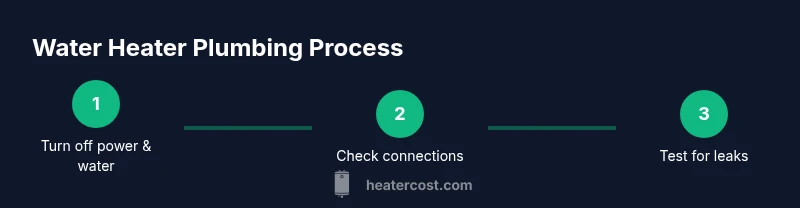
Shut off power and water
Turn off the circuit breaker for an electric heater or the gas supply for a gas heater. Close the cold-water supply valve to stop new water from entering the tank. Open a hot-water faucet to relieve pressure and vent air from the system.
Tip: Verify power is off with a tester before touching any electrical components. - 2
Drain and relieve pressure
Place a bucket under the drain valve and open it slowly to drain a portion of the tank. This reduces pressure and makes it easier to inspect and service connections. Do not force fittings; assume gentle, steady turns.
Tip: If you hear air hissing, you’re draining correctly; stop if you hear a groan from the tank and proceed carefully. - 3
Inspect the relief valve
Locate the temperature/pressure relief (TPR) valve and test it by lifting the lever. Water should discharge smoothly into the bucket. If there is leakage around the valve stem or it won’t release, plan for valve replacement.
Tip: Do not bypass or cap the relief valve; it is a critical safety feature. - 4
Check inlet/outlet connections
Tighten fittings on the cold and hot water lines as needed. Inspect the cold-water inlet screen if accessible for sediment or debris. Replace worn washers or gaskets and apply Teflon tape to threaded joints if necessary.
Tip: Only tighten to snug; overtightening can crack fittings. - 5
Leak-test all joints
Reconnect lines, close the drain valve, and slowly restore water. Check for leaks at every connection, wipe away moisture, and re-tighten as needed. If a leak persists, replace the faulty component.
Tip: Use a dry cloth to detect tiny leaks you might miss in dim light. - 6
Restore power and verify operation
Turn the power back on and allow the heater to reach temperature. Confirm that hot water is available, and monitor for drips for several minutes. If any abnormal noises or leaks reappear, shut off power and call a professional.
Tip: Document any changes and monitor for the first 24 hours for any signs of trouble.
Got Questions?
Is it safe to perform plumbing tasks on a water heater myself?
Many basic tasks are safe if you follow proper shutoffs, codes, and manufacturer instructions. Avoid working on gas lines or electrical components beyond your training. When in doubt, hire a licensed plumber.
Yes for basic tasks if you follow safety steps and local codes; for gas or electrical work, hire a professional.
How often should I flush or drain the tank?
Flushing frequency depends on water quality; start with yearly maintenance and adjust if you notice sediment buildup or reduced hot water volume. Check manufacturer guidance for your model.
Typically once a year, but adjust based on water quality and manufacturer guidance.
What tools do I need for basic plumbing repairs?
Essential tools include an adjustable wrench, channel-lock pliers, Teflon tape, a flashlight, rags, and replacement fittings. A pipe cutter is optional for copper or PEX work.
Keep these basics handy: wrench, pliers, tape, flashlight, and spares.
What are signs of a faulty relief valve?
Visible leaks at the valve, discharge when the valve is tested, or constant discharge indicate a faulty or misadjusted valve. Replace promptly if you encounter these signs.
Leaks or discharge when testing the relief valve mean it needs attention.
Should I replace rusty fittings or corroded valves?
Yes. Rusty fittings or corroded valves compromise safety and efficiency. Replace with compatible parts and ensure proper seals when reassembling.
Rusty or corroded parts should be replaced rather than tightened.
When should I call a licensed plumber?
Call a licensed plumber for gas, electrical, or persistent leaks, or if you’re unsure about any step. Professional help protects your home and guarantees proper seal and code compliance.
If you’re unsure or it's gas/electrical, call a pro.
Watch Video
The Essentials
- Turn off power and water before starting any work
- Inspect and tighten connections to prevent leaks
- Test the relief valve to ensure safety
- Use the right tools and know when to call a pro
- Schedule regular maintenance to extend heater life