Is a Leaking Water Heater Dangerous? A Homeowner’s Troubleshooting Guide
Learn why a leaking water heater can be dangerous, how to assess risk, and practical steps to protect your home. Heater Cost offers expert guidance for safe, prompt action.


Water heater leaks can be dangerous because they threaten shock hazards, mold growth, and gas or carbon monoxide risks. If you notice a leak, shut off power, turn off the cold-water supply, and avoid contact with standing water. Seek professional help immediately to assess and stop the leak. Do not use the heater until inspected. Call emergency services if you smell gas.
Why is leaking water heater dangerous
Is a leaking water heater dangerous? Many homeowners ask this urgent question, and the answer is yes—leaks around a hot water heater create several immediate and long-term hazards. According to Heater Cost, any visible leak should be treated as a warning sign rather than a minor nuisance. Water near electrical components can cause shock or short circuits, and persistent moisture fuels mold growth that threatens indoor air quality. If the leak involves a gas-powered unit, you may also be dealing with venting problems or gas line issues that could release carbon monoxide. A leaking heater can also cause water damage to floors, walls, and insulation, which compounds safety risks and repair costs over time. In short, acting quickly protects your family and property while you determine whether to repair or replace the unit. This guide explains the risks, how to respond, and when to bring in a professional.
Common hazards and risks
Leaks from a water heater can lead to several hazards:
- Burns from hot water or steam, especially with exposed pipes.
- Electrical shock risk if water contacts electrical components or outlets nearby.
- Mold, mildew, and structural damage from ongoing moisture.
- Slips and falls caused by pooling water in utility rooms or basements.
- Gas leaks or carbon monoxide risks if the unit is gas-fired and venting is compromised.
Recognizing these risks helps you act decisively. If you notice a leak, prioritize safety first and plan the next steps to stop the water and arrange professional help.
Immediate safety steps when you notice a leak
When a leak is detected, safety steps are critical and should be followed in order:
- If you smell gas or hear hissing sounds, evacuate immediately and call emergency services. Do not attempt to light a flame or operate electrical switches.
- If it is safe to do so, shut off the power to the heater at the circuit breaker (for electric units) or set the gas valve to off (for gas units).
- Close the cold-water supply valve to stop the inflow.
- Use towels or a bucket to contain small drips and keep children and pets away from the area.
- Do not assume the unit is safe to continue using; arrange professional inspection as soon as possible.
These steps reduce immediate hazards and buy time to arrange professional assessment.
How to diagnose the source of the leak
Accurate diagnosis helps determine whether a simple fix is possible or if replacement is needed. Start with the easiest checks:
- Inspect the drain valve at the bottom of the tank for a loose or faulty seal.
- Check the inlet and outlet connections and the pressure relief valve (TPR valve) for drips.
- Look for consistent moisture around the tank shell, base, or mounting brackets, which signals tank corrosion.
- If the leak is localized to a single pipe, tighten fittings or replace worn washers.
- Note whether the water is clear or rusty, which can indicate the age of the tank or mineral buildup.
Document findings and share them with a licensed technician to guide the repair or replacement plan.
Gas vs electric water heater safety differences
Safety considerations differ by heater type. Electric models generally present less risk of gas exposure but still pose electrical shock hazards when moisture is present. Gas heaters introduce carbon monoxide risks if venting is compromised or the flue is blocked. In both cases, never ignore a leak; do not operate the unit while the issue is unresolved. If you’re unsure of the unit type, treat it as a potential safety issue and seek professional evaluation. Understanding the differences helps you communicate clearly with technicians and ensure appropriate precautions are taken during service.
What a professional will check during service
A licensed technician will perform a comprehensive assessment to determine the leak source and the best course of action. Typical checks include:
- Visual inspection of the tank shell for corrosion and cracks.
- Inspection of the drain valve, cold-water inlet, hot-water outlet, and all connected fittings.
- Testing the pressure relief valve and discharge line for proper operation.
- Verification of fuel supply, venting, and flame safety devices (for gas heaters).
- Evaluation of surrounding structural moisture, insulation, and electrical panels near the unit.
Technicians will also advise on whether repair, relocation, or replacement is most cost-effective and safe in the long term.
Maintenance tips to prevent leaks
Prevention is cheaper and safer than emergency repairs. Practical measures include:
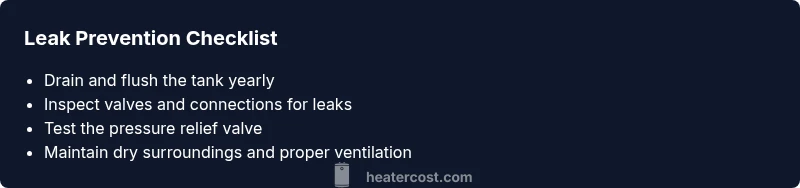
- Drain and flush the tank annually to minimize sediment buildup that accelerates corrosion.
- Inspect and replace worn valve gaskets and fittings before they fail.
- Test the pressure relief valve periodically and replace if it doesn’t open properly.
- Inspect electrical connections and keep the heater area dry; install drip pans if there’s a known moisture risk.
- Consider an expansion tank in homes with high water pressure or frequent thermal expansion to reduce stress on the tank.
Regular maintenance by a qualified technician can extend the life of your unit and reduce leak risk.
Quick cost considerations and decision points
When a leak occurs, you’ll want to weigh repair versus replacement. Costs vary widely based on heater type, unit age, and the source of the leak. A small fix like replacing a valve or tightening connections is typically less costly than a full tank replacement. If the tank has significant corrosion or the unit is past its expected lifespan, replacement usually becomes the more economical and reliable option. In all cases, obtain written estimates from licensed professionals and consider the total cost of ownership, including efficiency and potential insurance implications.
How Heater Cost supports you during a leak event
Dealing with a leak can be stressful, but you’re not alone. The Heater Cost team can help you evaluate risks, estimate repair vs replacement costs, and identify resources in your area for safe, compliant service. We emphasize safety first, quick containment, and a clear plan for the next steps. If you’re unsure about the leak’s severity, contact a licensed technician for an on-site assessment. The Heater Cost team recommends prioritizing professional input to avoid dangerous mistakes and ensure lasting protection for your home.
Conclusion and next steps
A leaking water heater is more than a nuisance; it can signal a serious safety issue. Begin with immediate safety steps, then obtain a professional assessment to identify the source and determine the best course of action. Remember that prompt, informed decisions protect your home and family. The Heater Cost team recommends erring on the side of caution and scheduling service promptly to prevent damage and minimize future risk.
Steps
Estimated time: 60-120 minutes
- 1
Ensure safety first
Identify whether the leak coincides with a gas odor, strong fumes, or visible moisture. If you smell gas, evacuate immediately and call emergency services. For electrical concerns, avoid touching wet surfaces and switch off power at the breaker if safe to do so.
Tip: If you cannot reach the breaker safely, evacuate and call emergency services. - 2
Shut off water supply
Close the cold-water shutoff valve to stop more water from entering the tank. This helps prevent further pooling and potential water damage.
Tip: If the valve is stiff or leaking, note it for the technician; do not force it. - 3
Power or fuel shut-off
Electric heaters: switch off the circuit breaker. Gas heaters: turn the gas control valve to the OFF position and ensure proper ventilation.
Tip: Do not use the unit until a professional confirms safety. - 4
Contain the leak
Place towels or a bucket under the leak to limit water damage. If there is standing water, dry the area to minimize slip hazards.
Tip: Keep children and pets away from the area until inspected. - 5
Inspect obvious sources
Look for drips from the drain valve, inlet/outlet connections, or the T&P relief valve. Do not attempt to open the pressure relief valve.
Tip: Document signs of corrosion or rust for the technician. - 6
Call a professional
Schedule a licensed plumber or water heater technician promptly to diagnose and repair. Provide photos and details of the leak source and symptoms.
Tip: Ask for a written estimate and the expected lifespan of any proposed repair. - 7
Avoid improvising repairs
Do not attempt to seal or weld a cracked tank or replace the unit yourself. Leaks in the tank are a sign of potential failure.
Tip: Emergency DIY fixes can create greater risk. - 8
Plan for replacement if needed
If the tank is old or repeatedly leaking, replacement may be the safer, long-term option. Discuss efficiency and warranty with the technician.
Tip: Ask about expansion tanks and energy efficiency upgrades. - 9
Follow-up maintenance
Schedule regular flushes, valve checks, and thermostat tests to prevent future leaks. Keep an ongoing maintenance log for reference.
Tip: Set reminders for annual service.
Diagnosis: Water heater leaks water
Possible Causes
- highCorroded or rusted tank due to age or mineral buildup
- highLoose or faulty valves or fittings (inlet/outlet or drain valve)
- mediumDamaged pressure relief valve or discharge line
Fixes
- easyShut off the water supply and power/gas to the heater
- easyTighten loose connections or replace faulty fittings
- mediumIf the leak persists, contact a licensed plumber or technician; avoid DIY on a corroded tank
Got Questions?
Is leaking water heater dangerous?
Yes. Leaks raise the risk of electrical shock, burns, mold growth, and gas or carbon monoxide exposure. Immediate safety steps and professional evaluation are advised.
Yes. Leaks pose electrical and gas risks. Get to safety, then call a pro.
What should I do first when I see a leak?
Prioritize safety by turning off power, shutting the cold-water supply, and draining small amounts of water if safe. Then contact a licensed technician for assessment.
Turn off power and water, drain if safe, then call a professional.
Can a leaking heater be repaired?
Minor leaks from fittings or valves can be repaired, but a leak from the tank itself usually means replacement. A professional assessment is essential to decide.
Some leaks can be fixed, but tank leaks often require replacement.
How do I tell if the leak is from the tank or a valve?
Look for leaks around the drain valve, inlet/outlet fittings, and the T&P valve. A tank crack is usually visible on the shell or bottom and may require replacement.
Check fittings and the tank surface for leaks; tanks usually need replacement if cracked.
When should I replace rather than repair?
If the unit is old, has multiple leaks, or shows extensive corrosion, replacement is often more economical and safer in the long run.
If the heater is aging and leaking, replacement is usually best.
Will home insurance cover a leaking water heater?
Coverage depends on your policy and the cause of the leak. Some policies cover sudden failures, while others do not. Check with your insurer for specifics.
It depends on your policy and the cause of the leak; check with your insurer.
How often should I maintain my water heater?
Annual or biannual maintenance is recommended, including flushing the tank and inspecting valves to prevent leaks and prolong life.
Regular annual maintenance helps prevent leaks.
What safety precautions should I take if I smell gas?
Leave the area immediately and call emergency services. Do not operate electrical switches or create sparks.
Leave the area and call emergency services if you smell gas.
Watch Video
The Essentials
- Act quickly to secure safety and minimize damage.
- Identify leak sources to guide repair or replacement decisions.
- Prioritize professional assessment for gas or electrical risks.
- Regular maintenance reduces future leak risk.
- The Heater Cost team emphasizes safety and informed planning.