How to Turn On a Heater: A Practical Home Guide
Learn a safe, step-by-step method to turn on your home heater, whether gas, electric, or heat pump. Includes safety checks, startup sequences, common issues, and maintenance tips for reliable warmth.


Turn on your heater safely by identifying your system type (gas, electric, or heat pump), checking safety controls, and initiating the startup sequence. Before you begin, ensure power is on, the area around the unit is clear, and any safety devices (pilot lights, reset buttons, or remotes) are accessible. This guide covers common residential startup steps and safety checks. If you smell gas, evacuate and call your utility immediately.
Safety prerequisites before turning on your heater
Before you attempt to start a heater, establish a safe environment and confirm basic protections are in place. Clear the space around the unit, keep combustibles away, and verify you can access the main power switch or breaker. If you rent or live in an apartment, check your building’s safety policies and make sure your carbon monoxide alarms are functional. According to Heater Cost, safety-first startup begins with identifying power status and ensuring a clear, accessible area around the heater. This initial check reduces the risk of ignition hazards and provides a controlled starting point for any system type. By taking these precautions, you’ll avoid common mishaps and create a stable foundation for the startup process.
- Safety first: never bypass safety controls or extinguishers in place for gas systems.
- Have a working flashlight handy in dim areas so you can inspect vents and controls without rushing.
- If you smell gas or notice an unusual odor, exit the area immediately and call the gas emergency line.
Establishing this baseline sets the stage for successful activation and longer-term reliability.
Identify your heater type (gas, electric, or heat pump)
The startup steps differ depending on whether you have a gas furnace, an electric furnace, or a heat pump system. Start by locating the model label on the unit or checking the owner’s manual. Look for terms like “gas furnace,” “electric furnace,” or “air handler” with a heat pump; many units also indicate the type on the control panel. Identifying the system type early avoids applying the wrong startup sequence and helps you prepare appropriate safety checks. If you’re unsure, photograph the control board and headers and contact the manufacturer or a licensed technician for guidance.
- Gas systems: expect a gas valve, pilot light or electronic ignition, and a burner assembly.
- Electric systems: rely on electric resistance coils or heat strips, plus a thermostat and blower.
- Heat pumps: may require an auxiliary heating mode and a separate outdoor unit check.
Pro-tip: take photos of control settings before changing anything so you can revert to the original configuration if needed.
Gas heater startup: igniter, burners, and flame safety
Gas heaters require ignition control and flame safety mechanisms. Start by ensuring the gas supply valve is open and the thermostat is calling for heat. If your system uses a standing pilot, verify the pilot flame is steady and blue. For electronic ignition, listen for the ignition sequence and watch for a bright flame on startup. If the flame fails to light, do not force ignition; instead, shut down safely and re-check the gas line, valve position, and safety switches. Persistently failing ignition could indicate a clogged burner, a faulty igniter, or gas supply issues that require professional service.
- Never bypass the flame sensor or safety shutoff.
- If the pilot is out, use the manufacturer’s method to relight only if you are confident in doing so safely.
- After ignition, listen for a steady burn and a consistent flame color (blue with a yellow tip is typical for clean combustion).
If you smell gas after attempting ignition, leave the area and call your gas utility immediately.
Electric furnace startup: controls, fuses, and thermostat
Electric furnaces rely on electrical power, fuses, and a thermostat to operate. Start by confirming the thermostat is set to heat and calling for a temperature above the current indoor level. Check the main power switch and the circuit breaker dedicated to the furnace. If the unit has a reset button, press it once after waiting 30 seconds to allow the system to stabilize. Do not repeatedly press reset; repeated resets can indicate a more serious electrical fault. If a breaker trips, identify whether a load is too large or if a short circuit is present and consult a licensed electrician if needed.
- Ensure the blower and limit switches are unobstructed and free of dust.
- A tripped breaker is a clue to inspect wiring or a faulty component.
- When using a smart thermostat, verify its connectivity and scheduling.
Safety reminder: electrical components can pose shock hazards—never work on live circuits without the proper training.
Heat pump startup basics: what changes with this system
Heat pumps operate differently from traditional furnaces, using reversing valves and outdoor units. Start by setting the thermostat to heat mode and selecting a target temperature. Ensure the outdoor unit is not blocked by debris and that any outdoor temperature sensor is clean and unobstructed. If your heat pump isn’t producing warm air, check for icing on the outdoor coil and review the defrost cycle. Defrosting may temporarily reduce airflow; this is normal, but prolonged defrost can indicate a refrigerant or sensor issue requiring professional service.
- Maintain clear space around the outdoor unit.
- Listen for a smooth, continuous airflow when heating begins.
- If the defrost cycle runs excessively, contact a technician for a refrigerant or sensor check.
Understanding the heat pump startup flow helps you diagnose issues without conflating them with standard furnace behavior.
Thermostat and remote control operations: setting up for a smooth startup
A user-friendly thermostat makes turning on the heater straightforward. Begin by confirming the thermostat is powered, connected, and set to the correct mode (heating) with a comfortable setpoint. If you use a remote or smart thermostat, verify the device is online and paired with the furnace or heat pump. Use the fan setting to auto so the system cycles intelligently with temperature changes. If you notice the thermostat’s display is dim or unresponsive, replace batteries or reboot the device.
- Keep backup controls (manual switch, if available) accessible.
- For smart thermostats, ensure Wi-Fi connection and app permissions.
- Record your preferred setpoints for different seasons and zones.
Proper thermostat setup minimizes short cycling and improves energy efficiency.
Safety features and common lockouts: what can stop startup
Modern heaters include safety features to prevent hazardous operation. A locked-out system could be triggered by a flame sensor fault, high limit switch activation, or a gas or electrical safety lockout. If you encounter a lockout, check the control board for indicator lights or codes in the manual. Some units require a reset sequence after a lockout; others require a service technician. Always consult the manual and avoid bypassing safety circuitry.
- Document any error codes with timestamps and symptoms.
- Do not bypass flame sensors or pressure switches.
- Schedule a professional inspection if lockouts recur.
Understanding lockouts helps you distinguish simple resets from underlying issues needing professional care.
Troubleshooting startup: common issues and quick remedies
Startup issues often come from power, gas supply, or thermostat misconfigurations. First, confirm the power is on, the thermostat is calling for heat, and the gas valve is open if applicable. For gas systems, verify the igniter or flame sensor is clean and properly positioned. If you hear a hum but no heat, the blower motor or blower relay could be faulty. In electric systems, a tripped breaker or blown fuse is a frequent culprit. For heat pumps, insufficient outdoor temperature or a mis-set defrost cycle can delay warming.
- Clean dust from vents and the filter to improve airflow.
- Replace worn thermostats or batteries in older remotes.
- If you hear unusual noises or see smoke, shut down immediately and call for service.
Troubleshooting should proceed methodically to avoid misattributing causes and to protect household safety.
Maintenance tips to keep startup reliable over time
Regular maintenance supports reliable startup. Schedule seasonal inspections, replace dirty filters, and clean coils and vents to maintain airflow and efficiency. Keep drainage paths clear to prevent moisture buildup that can affect electrical or gas components. For gas furnaces, consider annual professional inspection to ensure burners, igniters, and venting are functioning correctly. Electric systems benefit from periodic wiring checks and capacitor tests by a qualified technician.
- Replace air filters every 1-3 months, depending on usage.
- Schedule annual professional checkups for gas systems.
- Record inspection dates and maintenance actions for reference.
Routine maintenance reduces startup friction and prolongs heater life.
Quick-start best practices and scenarios for homeowners
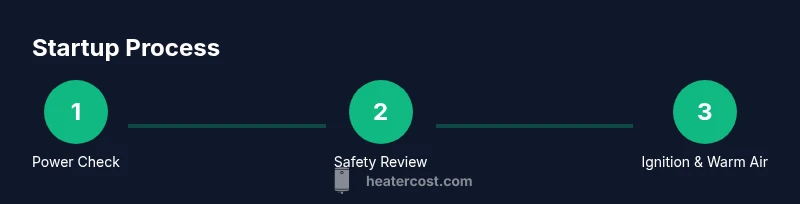
In everyday use, start with a simple routine: check power, set the thermostat, and observe the startup sequence. For cold-weather days, set the thermostat a bit higher than your baseline to warm the space gradually without triggering frequent cycling. If multiple zones exist, activate the primary zone first and then balance others. When in doubt, rely on manufacturer guidelines and seek professional help for persistent startup issues.
- Keep a basic tool kit for routine checks and quick resets.
- Maintain a habit of documenting any startup anomalies.
- Use energy-saving settings during shoulder seasons while preserving comfort.
By following these steps, you’ll build confidence in starting your heater and reduce the risk of unsafe operation.
blockData_end_marker
Tools & Materials
- Owner’s manual for your heater(Provides model-specific startup instructions.)
- Flashlight(Inspect controls and ignition points in dim areas.)
- Screwdriver set(Needed only if panel access is required for checks.)
- Multimeter(Only for diagnosing electrical issues or sensor tests.)
- Dry rag or compressed air(Clean dust from vents or coils as needed.)
Steps
Estimated time: 15-25 minutes
- 1
Check power supply
Locate the heater’s dedicated circuit breaker or switch and ensure it is in the ON position. If the unit has a separate power switch, turn it ON and confirm the indicator light or display powers up.
Tip: If the breaker trips, wait 60 seconds and switch it back on; if it trips again, stop and call a professional. - 2
Identify heater type
Look for labeling on the unit or reference the manual to determine whether you have a gas, electric, or heat pump system. This determines the ignition/starting sequence you will use.
Tip: Misidentifying the type leads to incorrect startup steps and safety risks. - 3
Inspect safety controls
Check for safety devices such as the gas valve position, flame sensor, high-limit switch, or pressure switch. Ensure they are in a ready state and not tripped or obstructed.
Tip: Never bypass safety switches; a tripped switch can indicate a problem that needs professional service. - 4
Gas heater: check igniter or pilot
If your system uses a standing pilot, verify that the flame is lit and steady. For electronic ignition, listen for the ignition sequence and observe whether a flame appears.
Tip: A dirty or misaligned igniter reduces ignition success; clean gently if the manual allows it. - 5
Electric heater: reset and verify power
If there is a reset button, press it once after allowing a brief cooling period. Confirm the thermostat is calling for heat and the unit is receiving power.
Tip: Do not repeatedly press reset if the problem persists; energized faults require professional diagnosis. - 6
Set thermostat to heat and desired temperature
Adjust the thermostat to a comfortable temperature and ensure it is set to heat mode. Let the system call for heat so the furnace or heat pump engages.
Tip: Avoid extreme setpoints to prevent short cycling and wasted energy. - 7
Power the unit on
Press the power button on the thermostat or unit controls to initiate startup. If using a smart thermostat, confirm connectivity before starting.
Tip: A misconfigured app can prevent the system from receiving the heat command. - 8
Observe startup and air warmth
Wait for ignition (gas) or heat distribution (electric/heat pump). Check for warm air within 1-3 minutes and listen for consistent operation.
Tip: If no heat appears, turn off and re-check safety circuits before trying again. - 9
Adjust flow and fan
Once warm air is detected, set the fan to Auto and verify the temperature stabilizes within a few minutes.
Tip: Allow 5-10 minutes for the system to stabilize after startup. - 10
Troubleshoot or call a pro if needed
If the system remains unresponsive, document symptoms and contact a licensed technician for diagnosis rather than attempting risky repairs.
Tip: Persistent startup failure could indicate a gas, electrical, or refrigerant issue needing professional attention.
Got Questions?
What should I do first before turning on a heater?
First, ensure power is on and the area around the unit is clear. Check that safety devices are accessible and not tripped. If you smell gas, evacuate and call the gas emergency line.
First, make sure the heater has power and the area is clear. If you smell gas, leave the area and call for help right away.
Can I turn on my heater without the thermostat?
Most systems rely on a thermostat to call for heat. If you don’t have a functioning thermostat, you may still power the unit on manually in some setups, but this can bypass safety controls and should be avoided unless you know exactly what you’re doing.
A thermostat is usually needed to safely control heat. Avoid bypassing safety controls unless you’re certain about the setup.
My heater won’t turn on after power checks. What should I check next?
Check the gas supply and valve position for gas systems or fuses and breakers for electric systems. Inspect the igniter or flame sensor for gas furnaces and ensure outdoor units on heat pumps are clear of debris. If problems persist, consult a licensed technician.
If it still won’t start after power checks, inspect gas supply and electrical fuses, then consult a professional if needed.
Is it safe to light a gas heater pilot myself?
Light pilots only if you are following the manufacturer’s exact procedure and you know how to shut off gas safely. If you’re unsure, contact your gas utility or a licensed technician for assistance.
Only light the pilot if you’re following the exact manual instructions. If in doubt, call a professional.
How often should I schedule heater maintenance?
Schedule a professional inspection at least once a year for gas/fuel-based systems and every 2-3 years for electric-only furnaces, plus regular filter changes every 1-3 months.
Annual checks are best for gas furnaces; electric units benefit from periodic maintenance too.
What should I do if I smell gas?
If you smell gas, evacuate immediately and call your gas utility or emergency services. Do not operate electrical switches or create sparks in the area.
If you smell gas, leave the area and call for help right away.
Watch Video
The Essentials
- Identify your heater type before starting
- Verify safety controls are functional
- Follow the correct ignition sequence for your system
- If in doubt, stop and consult a professional