How to Light a Water Heater: Safe, Simple Steps
Learn how to safely light a gas water heater with a practical, step-by-step approach. This guide covers ignition methods, safety checks, tools, maintenance, and common troubleshooting to help homeowners, renters, and property managers handle ignition confidently.


This guide shows you how to safely light a gas water heater and confirm it’s operating correctly. You’ll learn essential safety checks, the ignition steps for the pilot or electronic igniter, and what to do if the heater won’t ignite. Have the manufacturer’s instructions handy and the necessary tools ready. This quick overview helps homeowners avoid accidents.
Safety Basics: Why lighting a water heater requires caution
Gas-powered water heaters produce heat through combustion, which creates byproducts that can be dangerous if mishandled. A small misstep can lead to a gas leak, carbon monoxide buildup, or a fire. Always ensure adequate ventilation, verify the gas shutoff valve is accessible, and never lean over the vent while attempting ignition. If you smell gas, leave the area immediately and call your gas utility or emergency services. According to Heater Cost analysis, following the approved ignition procedure reduces risk and prolongs heater life. By understanding the basics, you protect your family and your home while preparing to light the unit properly.
Key safety checks include: ensuring fresh air in the space, removing clutter near the heater, and having a clear plan to shut off gas if a problem arises. If you’re ever uncertain, pause and consult the manual or a licensed professional. This section sets the foundation for a safe ignition experience and underscores why patience and preparation matter as much as the steps themselves.
Gas Water Heaters: Ignition methods and what can go wrong
Gas water heaters typically use two ignition methods: a standing pilot that stays lit and an electronic ignition that lights on demand. Ignition failures manifest in several ways: no flame, a weak or flickering flame, frequent flameouts, or a persistent gas odor. Common culprits include a dirty pilot or thermocouple, a faulty gas valve, and a blocked vent. In some older models, a worn thermocouple can fail to heat properly, preventing the safe operation of the gas valve. Regular inspection helps catch these issues early and reduces the chance of a cold-water surprise in the morning. When the system behaves oddly, consult the manual for model-specific instructions and consider professional service if the issue persists.
Tools, Materials, and Prep: Get ready before you light
Before you touch the unit, assemble the items you’ll need and create a safe workspace. You’ll want the owner’s manual (for model-specific instructions), a bright flashlight, towels to catch spills, and a soap solution or gas leak detector spray to test for leaks after ignition. If your model uses a manual lighter, have a long-reach lighter available; otherwise rely on the built-in electronic igniter. Clear the area around the heater, open a window for ventilation, and don’t perform ignition in a confined space with poor airflow. Having everything ready reduces delays and helps you follow each step calmly. This prep phase also provides a tactile check of any corrosion, loose connections, or signs of leaking gas that would need attention before lighting.
Now is the time to review safety warnings in your manual. If you’re not confident about the model’s requirements, skip ignition and contact a professional. Preparation sets the stage for a smooth ignition and long-term reliability.
Step-by-Step Overview: The ignition sequence at a glance
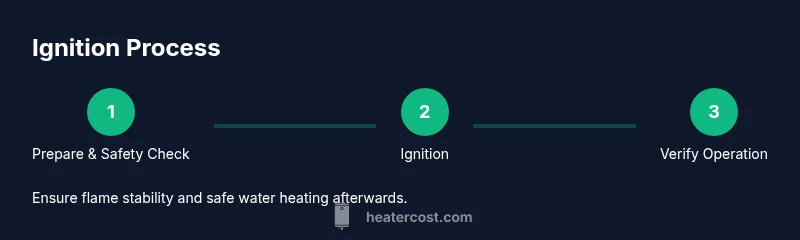
Most models require you to locate the access panel, identify the gas valve position, and use either the electronic igniter or a long lighter to ignite the pilot. The sequence typically involves turning the gas control to the pilot setting, waiting briefly for the thermocouple to heat, and then pressing the igniter or lighting the pilot while watching the flame. After the flame catches, you’ll continue to hold the control briefly to ensure the thermocouple remains hot, then release and set the thermostat to the desired temperature. Finally, test the hot water and monitor for any unintended gas odor. This section provides a high-level view of the ignition flow, but always follow your model’s manual for exact steps and labels.
Troubleshooting Common Ignition Problems
If the heater won’t light, start with the simplest checks: ensure the gas valve is fully open, verify there’s power to electronic igniters, and confirm the vent is clear. A persistent no-ignition condition often points to a faulty thermocouple, a dirty pilot, or a blocked vent. For gas leaks, never ignite or use electrical switches; evacuate and contact the gas provider. If the flame lights but goes out shortly after, the thermocouple may need realignment or replacement, or the vent system could be blocked. In some cases, the gas supply line may require professional inspection due to faulty connections or low pressure. Always consult the manual and, if in doubt, call a licensed technician before attempting further troubleshooting.
Maintenance Tips for Safe, Efficient Heating
Regular maintenance extends the life of your water heater and maintains efficiency. Schedule an annual inspection of the burner and pilot assembly, clean the flame arrestor, and ensure venting paths are unobstructed. Test the pressure relief valve and drain the tank as directed by the manufacturer to remove sediment buildup. Keep the area around the heater free of dust and flammable materials, and consider a professional flush if your water has high mineral content. Basic maintenance helps prevent flame instability, gas odor, and inefficient heating, saving you money over time.
Safety After Lighting: Verifying operation and shutdowns
After ignition, verify the flame is steady and the water temperature rises to your preferred setting. Listen for unusual noises or a faint hissing that could indicate a leak or airflow problem. Periodically test for gas leaks using a soap solution around valves and connections; if bubbles appear, shut off the gas and call a professional immediately. Monitor the thermostat to prevent overheating and adjust to a safe setting (commonly around 120°F/49°C). If you ever suspect a gas leak or smell rotten eggs, evacuate and contact emergency services.
Tools & Materials
- Owner’s manual for your water heater(Locate ignition instructions and safety warnings)
- Non-flammable gloves(Protect hands while handling hot components)
- Flashlight with fresh batteries(Inspect burner area and read labels clearly)
- Screwdrivers (Phillips and flat-head)(Access panels or covers if needed)
- Wrench or pliers(Secure fittings or loosen if required by model)
- Matches or long-reach lighter(Only if your model requires manual ignition)
- Soap solution or gas leak detector spray(Test for leaks after ignition)
- Towels or rags(Contain spills and protect the floor)
- Step stool or stable ladder(Access to pilot area if needed)
Steps
Estimated time: 20-40 minutes
- 1
Review safety and readiness
Read the manual to verify ignition instructions for your exact model. Confirm the space is well-ventilated and free of flammable materials. If you smell gas, do not proceed; exit immediately and contact the utility.
Tip: Always start with the safety checks before touching the heater. - 2
Locate the access panel and gas controls
Shut off power to the unit if required by your model, then remove the access panel to reach the burner and pilot assembly. Identify the gas control knob and note the positions (off, pilot, on).
Tip: Having the panel removed before ignition helps you see the pilot area clearly. - 3
Inspect the thermocouple and pilot
Look for obvious wear, corrosion, or blockages. A dirty pilot or a misaligned thermocouple can prevent ignition or flame stability. Clean gently if allowed by the manual, or note it for professional service if in doubt.
Tip: Do not use metal tools on hot surfaces; wait until components cool if touched. - 4
Position the gas valve to pilot (or on, per model)
Rotate the gas control knob to the pilot position (or the model's equivalent). If your unit uses a continuous ignition, set to on or ignite per the manual. Do not force settings beyond labeled positions.
Tip: If you feel resistance turning the knob, stop and check for obstructions. - 5
Ignite the burner or pilot
Use the electronic igniter or a long-reach lighter to light the pilot. If your model requires a match, light it first and bring it to the pilot slowly. Keep your face and clothing away from the flame during ignition.
Tip: Do not lean over the burner; direct your body away from the flame. - 6
Hold the control and let the thermocouple heat
Keep the control knob pressed for 20-60 seconds to allow the thermocouple to heat and secure the flame. If the flame doesn’t stay lit, shut off the gas and wait a few minutes before retrying or consulting the manual.
Tip: A steady flame is a sign the thermocouple is sensing heat properly. - 7
Return the control and set the thermostat
Release the knob and move the gas control to the on position. Set the thermostat to your preferred temperature, typically around 120°F (49°C). Observe that the flame remains steady and the water begins to heat.
Tip: Avoid setting the thermostat too high to prevent scalding. - 8
Test, monitor, and finalize
Turn on a hot water tap to confirm heat delivery. Check for any gas odor or unusual noises. If the flame goes out again, stop and seek professional help rather than retrying repeatedly.
Tip: Document any unusual signs and consult the manual or a technician if needed.
Got Questions?
Is it safe to light a water heater by myself?
Lighting a gas water heater can be safe if you follow the manual and exercise caution. If you smell gas, hear hissing, or feel unsure, stop and contact your utility or a licensed technician.
Lighting a gas water heater can be safe if you follow the manual and take precautions. If you smell gas or feel unsure, stop and call your utility or a licensed professional.
What should I do if I smell gas?
If you detect a gas smell, do not ignite anything, leave the area, and call your gas provider or emergency services immediately. Do not turn on lights or appliances until you’re in a safe location.
If you smell gas, leave the area and call your gas provider or emergency services immediately. Do not use lights or appliances until you’re safe.
Why won’t my water heater light after following steps?
Possible causes include a faulty thermocouple, blocked vent, or gas valve not fully open. Recheck the manual for exact positions and consider professional inspection if problems persist.
Common causes are a faulty thermocouple, vent blockage, or gas valve not fully open. Double-check the manual and call a professional if it continues.
Can I relight a pilot light if the flame goes out?
Yes, if the model supports manual relighting and you’ve checked for gas leaks. If the flame won’t stay lit after retries, discontinue and call a technician.
You can relight if your model allows it, but don’t persist after repeated failures—call a professional.
How often should I maintain the ignition system?
Annual maintenance by a qualified technician is recommended, with basic checks you can perform safely each year. Review the manufacturer’s guidelines for model-specific intervals.
Annual checks by a professional are best; follow your manual for model-specific intervals.
Do electric water heaters require ignition steps?
No. Electric water heaters heat via elements and do not use gas ignition. If you have a gas electric hybrid, treat as gas-powered and follow the gas ignition steps.
Electric heaters don’t require ignition steps. If you have a hybrid system, follow gas ignition procedures for that portion.
Watch Video
The Essentials
- Prioritize safety before ignition and read the manual.
- Know your ignition type (pilot or electronic) for correct procedure.
- Verify flame stability and temperature settings after ignition.
- If in doubt, contact a licensed professional for ignition guidance.