How to Fix a Gas Water Heater: A Step-by-Step Guide
Learn how to fix gas water heater safely with a comprehensive, step-by-step guide. Diagnose ignition, thermocouple, sediment, venting, and more—plus safety tips and maintenance to prevent future failures.


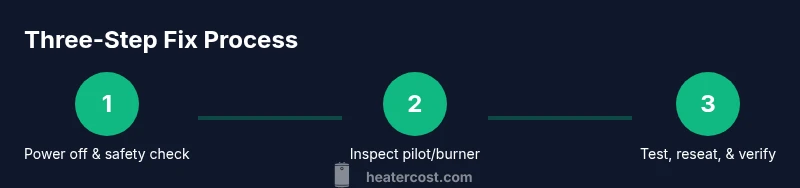
To fix a gas water heater, follow safety-first troubleshooting: diagnose ignition and burner issues, inspect the thermocouple, clear sediment, and verify gas supply and venting. This guide provides a safe, step-by-step approach and highlights when to call a licensed professional. Prioritize CO risk and shut off gas before working in your home.
How a gas water heater works and common failure modes
A standard gas water heater stores and heats potable water using a gas burner under a tank. A thermostat signals the burner to fire when hot water is requested. Common failure modes include ignition problems, burner sooted-up, a worn thermocouple or thermopile, sediment buildup, venting restrictions, or a failing gas control valve. For homeowners aiming to fix gas water heater, understanding how these parts interact helps you diagnose safely and avoid unnecessary replacements. The Heater Cost team has found that many outages stem from simple maintenance issues rather than a full replacement. With the right checks, you can often restore dependable hot water and extend the heater's life.
Safety first: when to call a licensed plumber and what you can safely check yourself
Gas appliances involve fire and combustion byproducts, including carbon monoxide. If you smell gas, hear hissing noises, or notice yellow flame color, leave the area immediately and call emergency services. Do not attempt repairs in those cases. For routine checks, you can inspect accessible components and perform non-invasive tests, but never bypass safety shutoffs or tamper with gas lines. According to Heater Cost, prioritizing safety and using a carbon monoxide detector near the unit reduces risk while you troubleshoot. Always turn off the gas supply at the valve and unplug or switch off electric power to the heater before touching any internal parts.
Signs your gas water heater needs attention
Lukewarm or inconsistent hot water is a clear sign something is off. Frequent pilot outages, failure to ignite, or rapid cycling of the burner are common ignition symptoms. Sediment buildup causing longer heating times, thunderous noises during heating, or water-colored particles can indicate internal issues. If you notice a persistent sulfur smell or CO alarm activation, treat as urgent and seek professional assessment. Early indicators like persistent burner cycling or thermocouple wear are cheaper to fix than late-stage failures. Maintaining a regular flushing schedule helps prevent sediment-related performance loss.
Diagnosing ignition and burner issues
Ignition problems often stem from a dirty burner, a faulty thermocouple, or an aging electronic ignition sensor. Start by turning off the unit and confirming gas supply is present. If you have a standing pilot, check that the flame is stable and blue; a yellow or flickering flame suggests incomplete combustion. For electronic ignition, listen for a steady click when the thermostat calls for heat. Any hesitation, misfire, or no ignition at all requires careful inspection and possibly replacement parts. In all cases, work slowly and keep the area well-ventilated.
Testing the thermocouple, thermopile, and gas control valve
The thermocouple (or thermopile on some models) is a safety device that must generate sufficient millivolts to keep the gas valve open. A flaky thermocouple will cause frequent pilot-out or burner shutoff. If you are comfortable, disconnect the thermocouple per manufacturer instructions and test continuity with a multimeter, or temporarily replace it with a known-good unit. If the thermocouple checks out, the gas control valve or wiring may be at fault. Only perform these tests if you have the right tools and follow the manual; incorrect testing can create gas leaks or electrical shocks.
Sediment buildup and tank performance
Sediment settles at the bottom of the tank over time, acting as an insulator and reducing heating efficiency. A clogged dip tube can also cause uneven heating. Flushing the tank annually (or more often in hard-water areas) removes mineral buildup that reduces performance and can cause overheating or louder operation. To flush, attach a hose to the drain valve, open the valve slowly, and allow water to run clear. Collect the drained water in a bucket or drain. Refill and re-pressurize slowly to avoid scalding. Heater Cost analysis, 2026, emphasizes that regular flushing prevents performance loss and extends tank life.
Gas supply, regulator, and venting checks
Ensure the gas shutoff valve is fully open and that no other gas appliances are causing pressure drops. If the unit uses a gas regulator, listen for whistling or hissing as signs of failure and consider replacement. Venting should be clear for proper exhaust; look for obstructions, bird nests, or dampers stuck in the wrong position. Inadequate venting can cause backdraft and CO buildup. If you suspect venting issues, contact a professional to assess exhaust routing and chimney integrity.
Quick fixes you can attempt safely
If the pilot is out but all safety checks are good, you may be able to relight using the manufacturer’s procedure. Refrain from messing with gas lines or control valves; these steps should be performed only if you feel confident and have the manuals. Clean the burner area and verify the flame color after a relight. If the model uses a thermocouple, replacing it is a common, non-technical fix. Always shut off gas and power first and ventilate the area. If uncertain, pause and call a pro.
When to replace vs repair and cost considerations
Not all gas water heater issues are economical to fix. If frequent failures occur, energy efficiency has declined, or tank corrosion is visible, replacement is worth considering. Costs vary by model, capacity, and labor, and a pro can provide an assessment with options. Heater Cost recommends evaluating the long-term reliability, gas efficiency, and safety implications when deciding between repair and replacement. A professional can also help you navigate warranties and potential energy savings from newer, more efficient units.
Preventative maintenance to extend heater life
Keep a regular maintenance schedule to minimize emergencies. Flush the tank yearly, inspect the venting for obstructions, check the anode rod if you have a tank with accessible access, and test the CO detector battery. Use a combustion analyzer if you have access to professional tools, and schedule annual service with a licensed technician. Small, consistent upkeep saves more energy and reduces the risk of hazardous conditions.
Tools & Materials
- Gas leak detector solution(Apply around joints and connections to reveal leaks)
- Adjustable wrench(For loosening pipe fittings and nuts)
- Phillips screwdriver(Needed for panel screws and burner screws)
- Nut drivers / pliers(Assist with valve nuts and fittings)
- Non-contact voltage tester(Check for electrical hazards when accessing controls)
- Multimeter (millivoltmeter)(Test thermocouple/thermopile outputs if applicable)
- Replacement thermocouple (model-specific)(Only if tests indicate wear or failure)
- Gas-rated Teflon tape(Seal gas line connections on reassembly)
- Gas-rated pipe dope (optional)(Use where tape is not suitable)
- Bucket, towels, rags(Catch water during flushes and spills)
- Drain hose(Direct sediment waste to a drain)
- Soft brush / cloth(Clean burner area and vents)
Steps
Estimated time: 45-90 minutes
- 1
Power down and secure supplies
Shut off the gas supply at the main valve and disconnect electrical power to the unit. Confirm no flames or sparks are present and ventilate the area. This prevents accidental ignition while you inspect.
Tip: Locate the shutoff valves before you start and ensure they are easily accessible. - 2
Check for gas odors and safety devices
If you detect gas odor, stop, evacuate, and call emergency services. Do not attempt any repair. If the area is clear, verify CO detectors are functional and within reach of the heater.
Tip: Use a portable detector to verify safe ambient levels before touching equipment. - 3
Open access panel and inspect visually
Remove the panel to view the burner area, thermocouple, and ignition device. Look for soot, corrosion, loose wires, or obvious signs of wear. Do not touch hot surfaces.
Tip: Take photos of connections before disassembly to aid reassembly. - 4
Assess the pilot and burner health
For standing-pilot units, observe the flame color; a blue flame indicates proper combustion, while yellow may suggest dirt or gas mix issues. For electronic ignition, listen for a steady ignition click when heat is requested.
Tip: If the flame is unstable, do not attempt to adjust fuel flow—this can be dangerous. - 5
Test or replace the thermocouple
If accessible, test continuity with a multimeter; or replace with a model-specific thermocouple if readings are off. Ensure connectors are clean and grounded properly.
Tip: Only perform electrical tests if you have proper training and tools. - 6
Flush sediment and inspect the tank
Attach a hose to the drain valve and flush slowly until the water runs clear. Check the dip tube and look for mineral buildup that could hinder heating.
Tip: Wear eye protection and have towels ready for splashes. - 7
Inspect venting and gas lines
Ensure the vent is unobstructed and the gas line fittings are tight. Look for signs of leakage around joints and verify the vent terminates safely outside.
Tip: Ventilation issues can cause dangerous CO buildup; never ignore warning signs. - 8
Test reassembly and function
Reassemble the access panel, restore power and gas, and run a test cycle. Observe burner ignition, flame quality, and hot water output for several minutes.
Tip: If hot water is inconsistent, re-check burner and thermocouple connections.
Got Questions?
Can I fix a gas water heater myself?
Some non-technical maintenance tasks are safe for homeowners, such as flushing sediment and cleaning accessible components. However, many repairs involve gas lines, venting, or electrical connections and should be performed by a licensed professional to avoid carbon monoxide exposure or gas leaks.
Some tasks are safe, but for gas line or vent repairs, hire a professional.
Is it safe to relight the pilot after it goes out?
Relighting a pilot is safe only if you follow the manufacturer’s instructions exactly and you have verified there is no gas leak. If you smell gas or feel unsure, do not relight and contact a professional.
Only relight per the manual, and if unsure, call a pro.
What are common signs of a failing thermocouple?
Frequent pilot outages, burner shutting off, or an intermittent flame often point to a worn or dirty thermocouple. Replacing the thermocouple is a common and affordable fix when tested and confirmed faulty.
Frequent outages after ignition usually mean a bad thermocouple.
What should I do if I smell gas?
Leave the area immediately, avoid switches or flames, and call emergency services. Do not attempt repairs until the area has been deemed safe by professionals.
Leave the area and call emergency services if you smell gas.
How often should I flush my gas water heater?
Flushing once a year is common, but frequency may increase in hard-water areas. Regular flushing helps maintain efficiency and prolongs the life of the tank.
Annual flushing is usually enough, more often in hard water.
When should I replace versus repair a gas water heater?
If failures are frequent, efficiency is down, or the tank shows significant corrosion, replacement may be more cost-effective and safer in the long run.
If failures are frequent, replacement is often wiser.
Watch Video
The Essentials
- Identify safety steps before touching gas lines.
- Ignition and burner issues are common and often fixable.
- Sediment buildup reduces efficiency; flush annually.
- Use professionals for gas line, venting, or CO risks.
- Regular maintenance extends heater life.