How to Get Rid of Heater Smell: A Practical Guide
Learn practical, step-by-step methods to eliminate heater odors, identify dangerous smells, and maintain your heating system. Includes safety tips, maintenance routines, and when to call a professional.


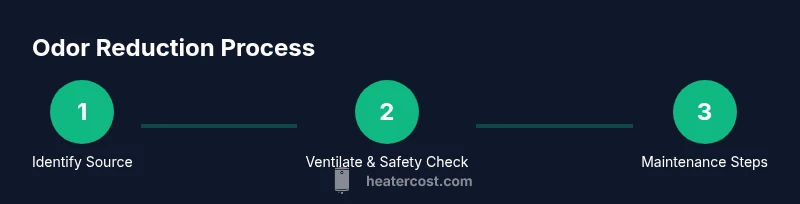
If you notice a heater smell, start with safety: turn off the heater if you suspect gas or burning odors, ventilate the space, and check the carbon monoxide detectors. Then identify the source—dust, dirt, or a clogged filter—and follow a simple cleaning and maintenance plan. For persistent odors, schedule a professional inspection.
Understanding heater smells and safety
If you’re asking how to get rid of heater smell, the first step is to understand what you’re dealing with. Odors from a heating system can range from harmless dust and burnt-on debris to potentially dangerous gas leaks or carbon monoxide. The presence of a strong chemical, rotten egg, or burning odor should never be ignored. According to Heater Cost, a household odor from a furnace or space heater is not unusual after the heating season begins, but it should decline once the system has run and any dust has burned off. Heaters and furnaces can emit a variety of scents depending on the fuel type, age, maintenance history, and the room environment. The Heater Cost team found that most odor issues can be traced to dust accumulation, a dirty filter, or a safety warning misread by occupants. If you ever suspect a gas leak or a carbon monoxide problem, evacuate immediately and call emergency services. Safety is the top priority when confronting any heater odor, especially if a CO detector is alarming or if you feel dizzy or nauseous.
The role of safety devices and immediate actions
Gas furnaces, propane heaters, and natural gas space heaters all rely on safety devices that can warn you to a problem. If the odor is accompanied by symptoms like headaches, dizziness, or confusion, or if CO detectors register, evacuate and contact professionals. Do not ignore this warning. In many homes, odors come from safe, temporary sources that are easily addressed with cleaning and maintenance. The goal is to identify the source quickly, reduce exposure, and prevent future occurrences by cleaning and replacing worn parts. This approach aligns with best practices highlighted by Heater Cost in 2026 and helps homeowners avoid unnecessary resets and ongoing odor complaints.
How odors relate to your heating system’s health
Smells can reveal the system’s health: dust and debris indicate a neglected filter or duct; a burnt-electric smell suggests overheating components; a sulfurous odor can hint at gas or fuel-related issues. An air pathway clogged with dust reduces efficiency and increases the risk of overheating. By recognizing these scents early, you can plan maintenance that extends the life of the unit and improves indoor air quality. The Heater Cost analysis, 2026, emphasizes proactive care and proper ventilation as core strategies to reduce odors and improve performance.
The balance of everyday maintenance and safety
Routine maintenance reduces the likelihood of problematic odors. This includes regular filter changes, outer unit cleaning (where applicable), vent cleaning, and duct inspections. While many odors are harmless dust or dried oil residues, persistent smells require a professional assessment to rule out gas or safety concerns. In short, a quick house check plus scheduled service can prevent odor problems from becoming bigger issues later.
Quick-start checklist for odor-prone seasons
- Inspect and replace the air filter. A clogged filter is a common odor source.
- Vacuum the furnace area and registers to remove dust and debris.
- Open windows or use fans to ventilate while operating the heater.
- Check CO detectors and ensure they are functioning.
- Note the odor’s intensity and duration for the service call if needed.
By following these steps, you’ll reduce odor causes and keep your heating system running cleanly. The Heater Cost team recommends documenting your maintenance and sticking to a schedule to maintain odor-free operation.
Tools & Materials
- HEPA- or shop-vac with brush attachment(Ideal for dust collection around vents and burners)
- Soft cloths and a mild detergent(For surface cleaning of the exterior and accessible ducts)
- Replacement air filter(Choose the correct size and MERV rating for your system)
- Flashlight(To inspect hard-to-see areas and burner area)
- CO detector (functional)(Test or install one near the heating system and in sleeping areas)
- Mild cleaning solution (optional)(Use only as directed; avoid harsh solvents near burners)
Steps
Estimated time: 60-90 minutes
- 1
Identify the odor source
Turn off or isolate the heater if you suspect a gas odor or a burning smell. Use a flashlight to inspect the furnace area, blower, and ducts for signs of dust, debris, or scorch marks. Determining the source guides the cleaning plan and safety actions.
Tip: Document the odor’s location and intensity to help a technician if you call for service. - 2
Ventilate and secure safety
Open windows and use fans to improve air exchange, especially if odors are strong. If you have any CO alarms, ensure they are sounding or test them. Do not operate the heater if you smell gas or if detectors indicate alarm levels.
Tip: Never ignore a potential carbon monoxide risk; exit the home and call emergency services if CO is suspected. - 3
Inspect and replace the filter
Remove the furnace or air handler access panel and check the filter; replace if dirty or clogged. A clogged filter restricts airflow and can cause overheating and odors. Confirm the filter is seated properly after replacement.
Tip: Always power off the unit before touching electrical components. - 4
Clean accessible components
Vacuum dust from louvers, burners (if visible), and around the blower area. Wipe down exterior panels with a mild detergent solution. Let cleaned areas dry completely before reassembly and operation.
Tip: Avoid using water near electrical components; dry thoroughly before powering on. - 5
Test operation and monitor
Restore power and run the heater for a short interval in a well-ventilated room. Listen for unusual noises and sniff for new odors. If odors persist after cleaning and filter replacement, schedule a professional inspection.
Tip: If odors reappear or persist beyond a day or two, do not ignore them.
Got Questions?
What is the first sign that a heater smell is dangerous?
A strong burning odor, rotten egg scent, or gas-like smell alongside CO detector alarm should trigger evacuation and professional help. Do not attempt to diagnose a gas smell yourself.
Strong burning or gas-like odors, especially with a CO alarm, means evacuate now and call for immediate professional help.
Can dust in the furnace cause odors?
Yes. Dust burning off on startup is common and usually harmless. It often goes away after a few minutes as the system clears the dust. If the odor lingers, inspect filters and ducts.
Dust burning off is common. If it persists, check filters and ducts or call a technician.
When should I replace the furnace filter?
Replace the filter every 1-3 months depending on usage, household pets, and filter type. A dirty filter can cause odors and reduce efficiency.
Change the filter every 1-3 months, depending on use and pet dander.
Is a carbon monoxide detector enough to ensure safety?
A CO detector is essential, but it doesn’t replace professional service. If you smell gas or CO, respond immediately and have a pro inspect the system.
CO detectors are crucial, but if you sense danger, get help right away.
Should I call a pro for every odor?
Not every odor requires a pro, but persistent, strong, or unusual smells should be evaluated by a licensed technician to rule out safety risks.
If the odor stays after cleaning or seems unusual, call a professional.
What maintenance helps prevent smells in the long term?
Regular maintenance—filters, ducts, vents, and annual professional inspections—greatly reduces odor risk and keeps your system efficient.
Keep up with regular maintenance and inspections to prevent smells.
Watch Video
The Essentials
- Identify the odor source before acting.
- Ventilate and check safety devices immediately.
- Replace dirty filters and clean accessible components.
- Persistent odors require professional inspection.