How to Fix Heater Not Working: A Step-by-Step Guide
Learn how to diagnose and fix a heater not working with a practical, safety-focused step-by-step guide. From power checks to thermostat and ignition considerations, get practical tips from Heater Cost.


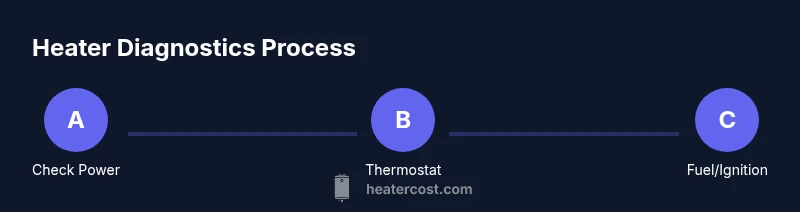
This guide helps you diagnose and fix a heater not working by safely inspecting power, thermostat, ignition or burner, and airflow components. Key steps include verifying power at the unit and breaker, checking the thermostat settings, inspecting air filters, and performing a cautious reset. If the problem involves gas supply or a faulty major component, contact a qualified professional.
How to fix heater not working: Understanding the causes and early signs
When your heater won’t run, the first step is to understand what typically goes wrong. How to fix heater not working often comes down to a few repeatable causes: a power issue at the unit or breaker, a thermostat misread or misadjustment, blocked airflow from a dirty filter or duct, or a fuel-supply problem in gas or oil systems. According to Heater Cost, these are the most common culprits, and recognizing them helps you decide whether you can safely troubleshoot or should call a professional. Electric heaters rely on electrical components, thermostats, and airflow, while gas systems depend on ignition, gas valves, and venting. By focusing on the right subsystem, you can avoid unnecessary repairs and guide a technician to the right place. In this guide you’ll learn a practical, step-by-step approach to diagnose and fix many of the everyday problems that cause a heater to fail. The goal is to restore heat quickly and safely, without unnecessary risk.
Safety-first checks you can perform before calling a professional
Safety should always come first when troubleshooting a heating system. Start by turning off power to the unit and, if you have a gas furnace, shutting off the gas supply only if you know how to do so safely. Inspect the area for obvious hazards, like loose wiring or scorch marks, and keep children and pets away. Use a non-contact tester or a multimeter to verify that the outlet and switch provide power to the heater. If a breaker has tripped, do not reset it repeatedly; instead, identify what caused the trip and address it before re‑energizing. Check the air filter and surrounding ductwork; a clogged filter reduces airflow and can trigger a fault or thermostat protection. Remember: if you smell gas, hear a hissing sound, or feel lightheaded near the equipment, evacuate and contact emergency services or a professional immediately. These quick checks are meant to rule out simple, non‑hazardous causes and keep you safe while you troubleshoot.
Diagnosing power, thermostat, and airflow problems
With safety checks complete, you can narrow down to the three core subsystems: power, thermostat, and airflow. First confirm the unit is receiving power: verify the power switch, the outlet, the fuse or breaker status, and fuses if accessible. Then inspect the thermostat on the wall or the control panel: ensure it is set to heat, test alternative temperature settings, and consider replacing batteries if it uses a battery-powered thermostat. Airflow problems are common and often overlooked: inspect and replace or clean the air filter, check for blocked return vents, and listen for the blower motor operating when heat is called. If the blower runs but air is cool, you may have a delayed heat cycle or a thermostat reading that needs recalibration. Document any abnormal sounds or odors you notice, as these details help a technician diagnose the issue. This step-by-step diagnostic keeps you organized and reduces the time you need to spend on trial-and-error fixes.
Gas, pilot light, and ignition considerations
Gas furnaces add a layer of safety and complexity. If you have a gas system, never work on fuel lines or gas valves if you smell gas or hear a hissing sound; evacuate and call the gas utility or emergency services. For ignition, check the pilot light or electronic ignition: a stubborn pilot may indicate a dirty flame sensor, a faulty thermocouple, or a clogged burner. If safe to do so, follow the manufacturer’s light‑off and relight procedures—do not improvise. Clean or replace any dirty flame sensor surfaces and ensure the ignition module is free of dust. A failed ignition often masquerades as “not working” but is specific to heat production rather than general power. If the system starts and then stops after briefly running, that can hint at a safety switch or venting issue, which a professional is better suited to examine.
Cleaning, maintenance, and component checks
Regular maintenance prevents many failures. Start by cleaning the outdoor intake and exhaust vents to remove debris. Replace or clean air filters on schedule; a clogged filter impedes airflow and can trigger a fault code or safety shut‑down. Inspect the blower motor and belts (if present) for wear, and listen for abnormal noises that may indicate wear or misalignment. Check condensate drains and pans on high-efficiency units to prevent overflow and water damage. Keep the area around the furnace clear of clutter, dust, and flammable objects. Record the last maintenance date and any parts replaced so you have a maintenance history to reference if problems reappear. This routine care helps you extend the life of your heater and reduces the likelihood of sudden breakdowns.
When to replace vs repair and how to approach future issues
Not every failure is worth repairing, especially as systems age or when major components fail. If the unit is older, has repeated faults, or requires costly parts replacement, replacement may be a wiser investment than ongoing repairs. Before deciding, obtain a professional assessment to compare the expected repair cost, expected remaining life, and potential energy savings from upgrading to a newer model. In the future, schedule regular maintenance, replace filters promptly, and consider thermostat upgrades with smart controls to prevent heat loss and improve efficiency. Planning ahead helps protect your home from cold snaps and reduces the risk of expensive emergency service, while keeping comfort and energy costs in check.
Tools & Materials
- Multimeter or voltage tester(Essential for verifying electrical supply to the unit)
- Non-contact voltage tester(Quick check for live circuits without contact)
- Screwdriver set (flathead and Phillips)(For panel access and component checks)
- Flashlight with focused beam(Illumination in tight spaces and dark cabinets)
- Replacement air filter(Optional; helps diagnose airflow issues)
- Soft brush or microfiber cloth(For cleaning flame sensors and vents)
- Vacuum with hose attachment(Helpful for dusty blowers and ducts)
- Safety gloves and eye protection(Personal protection during inspection)
Steps
Estimated time: Total: 60-90 minutes
- 1
Verify power and breakers
Start by locating the heater’s power switch and ensure it is ON. Inspect the main circuit breaker panel for trips and reset if safe to do so after identifying the cause. Use a multimeter to confirm the unit is receiving power where applicable.
Tip: If the breaker trips again, power down the entire circuit and call a professional—repeated trips may indicate a fault beyond basic troubleshooting. - 2
Check thermostat settings and calibration
Ensure the thermostat is set to heat and not to a lower target. If possible, test by lowering and raising the setpoint to trigger activity. Look for signs of calibration drift or dead batteries in battery-powered units.
Tip: If a programmable thermostat is used, verify the schedule matches true heating needs; an incorrect program can mimic a no-heat condition. - 3
Inspect air filter and airflow path
Remove and inspect the air filter for dirt and obstruction. Clean or replace the filter and check return vents and ducts for blockages. Listen for the blower when heat is called and feel for airflow at a vent.
Tip: A clogged filter can cause safety shutoffs; perform maintenance if airflow is restricted. - 4
Check ignition, burner, and flame sensor
For gas systems, inspect the burner and flame sensor for dust or corrosion; clean as needed and ensure ignition sources spark correctly. If you have an electric unit, inspect heating elements for signs of damage.
Tip: Never touch hot surfaces after shutting down; allow components to cool before handling. - 5
Test safety switches and wiring connections
Inspect visible wiring for loose connections and test safety switches that may shut off heat before the blower runs. Tighten loose terminals with the power off and look for obvious wear or damage.
Tip: If you notice burnt insulation or a burnt smell, stop and call a professional. - 6
Decide on next steps and call a pro when needed
If power and thermostat checks pass but heat remains absent, or if gas/ignition work is unsafe, contact a licensed professional for a diagnostic. Document symptoms and test results to share with the technician.
Tip: Prepare a brief summary of symptoms and any steps you tried to speed up the repair process.
Got Questions?
What is the first thing I should check when my heater won't start?
Begin with power: confirm the unit has power and the breaker hasn’t tripped. Then verify the thermostat is set correctly. If the issue persists, proceed to the diagnostic steps in this guide.
First check power and the thermostat, then follow the diagnostic steps if needed.
Can I relight a gas furnace pilot light myself?
Relighting a pilot light should only be attempted if you have clear, manufacturer-approved instructions and no gas smell. If you smell gas or feel unsure, evacuate and contact the gas company or emergency services.
Only relight if it's safe and you have the manual instructions; otherwise call a professional.
Why is my heater running but not producing heat?
This usually points to thermostat misreads, ignition issues, or airflow problems. Check the thermostat settings and flame sensor, and ensure airflow is unobstructed.
If it runs but stays cool, check thermostat and ignition, plus airflow.
How often should I schedule heater maintenance?
Annual professional service is recommended to catch worn parts and prevent unexpected failures. Regular inspections help maintain efficiency and safety.
An annual professional check keeps things running smoothly.
I smell gas, what should I do?
Leave the area immediately, avoid flames or electrical switches, and call emergency services or the gas company from a safe location.
If you smell gas, leave now and call for help.
When should I consider replacing instead of repairing?
If faults recur, or a major component fails and repair costs approach the value of a newer unit, replacement may be wiser. Obtain a professional assessment for a clear comparison.
If repairs keep happening, consider replacing after pro advice.
Watch Video
The Essentials
- Identify root causes across power, thermostat, and airflow
- Safety first: shut off power and, when needed, gas supply
- Regular maintenance prevents most failures
- Use professional help for gas or high-voltage issues
- Plan ahead with routine checks to avoid cold snaps