How to Turn On a Water Heater: A Homeowner Guide
Learn safe, step-by-step methods to turn on electric or gas water heaters, with safety checks, troubleshooting tips, and maintenance guidance from Heater Cost.


To turn on a water heater, identify your unit type (electric, gas, or propane) and ensure the area is safe. Check the power switch or circuit breaker, set the thermostat to a comfortable temperature (around 120°F / 49°C), and follow manufacturer steps to ignite a gas pilot or reset an electric heater. If you smell gas or detect leaks, shut off fuel or power and call a professional.
Understanding Your Water Heater: electric vs gas vs tankless
Water heaters come in several configurations, and knowing which type you have helps you turn it on correctly. Electric models rely on a powered heating element controlled by a thermostat, while gas models ignite a burner to heat water. Tankless units heat water on demand using either electric or gas energy. Each type has distinct safety checks and control locations. According to Heater Cost, identifying the correct controls before you touch anything reduces the risk of shocks, leaks, or accidental ignition. If you recently moved into the home or inherited the unit, start by locating the model label and the user manual for specific startup instructions. In many homes, a simple reset or thermostat adjustment is enough to restore hot water, but it’s essential to follow the manufacturer’s guidance to avoid damage.
Safety First: Essential Precautions Before You Start
Before you even think about turning the heater on, ensure you are in a safe environment. Remove clutter from the area, ensure good ventilation for gas-powered units, and never operate a heater in a flooded space. For gas models, check for the smell of gas and clear any ignition sources. For electric models, turn off power at the breaker panel or switch to avoid electric shock. A non-touch voltage tester can confirm power is truly off at the access panel. Regular safety checks save time and prevent accidents. Heater Cost Analysis, 2026, emphasizes that safety practice is the foundation of any startup procedure and reduces the chance of needlessly calling a technician for preventable issues.
Control Locations and Power Sources: Where to Look
Begin by locating the access panel on the heater. Electric units typically have a front panel that hides the thermostat and heating element; gas units expose a burner area and the pilot assembly. Use the model label to find the correct wiring diagram in the manual. If you notice corrosion, buzzing, or burn marks around electrical terminals, stop and consult a professional. For most electric heaters, you’ll need a screwdriver to remove the panel and a tester to verify power. Gas heaters require locating the gas shutoff valve and the pilot assembly. Always confirm the specific location described in your manual, as layouts vary by brand and model.
Electric Water Heater: Turning On and Initial Checks
Electric water heaters are often the easiest to start when the power is off for safety. After confirming power is off, remove the access panel, locate the thermostat, and set it to a safe baseline (typically around 120°F / 49°C). Replace the panel, restore power at the circuit breaker, and listen for the heating element as it engages. If the water doesn’t heat after powering back on, recheck the thermostat setting and ensure the breaker hasn’t tripped. A reset button on some models may need to be pressed if the unit tripped on an overload. For best results, refer to the owner’s manual for model-specific steps and safe startup delays.
Gas Water Heater: Ignition Sequence and Safety Checks
Gas models require both a gas supply and a functioning ignition system. First, verify the gas valve is open and there is gas flow to the unit. If your model has a standing pilot, you may need to light it with the igniter or a long lighter according to the manual. For electronic ignition systems, the thermostat will trigger ignition; press the reset button if present and wait a few minutes for the burner to ignite. If you smell gas strongly or cannot ignite after several attempts, evacuate the area and call the gas utility or a licensed technician. Always follow the specific startup sequence from your manual since pilot designs differ among brands.
Thermostat Settings and Safe Temperatures
Setting the thermostat to a safe, comfortable temperature is key to both comfort and energy use. Most homes benefit from a setting around 120°F / 49°C, but some households with higher demand may prefer slightly warmer water. After starting the heater, give it time to reheat the water and test the faucet for hot water. If the water heats unevenly or takes too long, you may have sediment buildup or an aging element, which may require maintenance.
Troubleshooting Common Startup Issues
If the unit doesn’t heat after startup, verify power or gas supply first. Electric units should have power at the outlet and no tripped breakers; gas units require an open gas valve and a functioning ignition path. Other common culprits include a tripped reset button, a faulty thermostat, sediment buildup in tanks, or a failing heating element. Before calling a professional, consult the manual and run through a quick diagnostic checklist: confirm power or gas, reset as needed, and test the hot water at multiple fixtures. Remember that safety comes first, and if you’re uncertain, contact a licensed technician.
Maintenance Tips to Improve Reliability
Regular maintenance helps prevent startup problems and extends the life of your water heater. Flushing the tank once a year or as recommended can reduce sediment, improving heating efficiency. Inspect the anode rod every 2–3 years and replace it if corroded. For gas heaters, have a technician inspect the burner and flame quality yearly. Insulation around the pipes can minimize heat loss, saving energy and ensuring hotter water when you need it. Keeping the area clean and free of flammable materials reduces fire risk and supports safer startups.
When to Call a Professional or Consider Replacement
If startup attempts fail after following the manual, or if you notice gas smells, water leaks, rust, or frequent tripping, it is wise to contact a licensed professional. Some issues, such as a faulty thermocouple, failed heating element, or severe sediment buildup, require specialized tools and expertise. If your unit is old (beyond its typical lifespan) or shows frequent breakdowns, consider a replacement with a more energy-efficient model. A professional can recommend the best option based on your home’s size, hot water demand, and fuel type.
Tools & Materials
- Owner's manual for your water heater(Keep on hand for model-specific startup and safety steps)
- Non-contact voltage tester(Use to verify power is off before touching electrical components)
- Screwdriver set (Phillips and flathead)(Access panels and screws vary by model)
- Flashlight(Bright light helps inspect dim panels and connections)
- Dry cloth(Clean hands and wipe away residue near terminals)
- Gas leak detector solution (soap and water)(For quick leaks checks on gas lines after adjustments)
Steps
Estimated time: 25-40 minutes
- 1
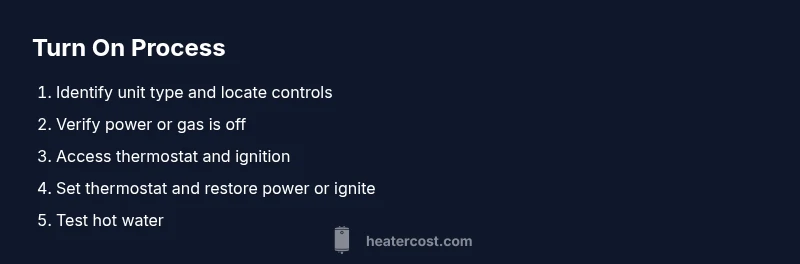
Identify unit type and locate controls
Look for a front panel or access door. Check the model label to determine electric or gas design and where the thermostat or ignition assembly is located.
Tip: Take a quick photo of internal wiring before touching anything to aid reassembly. - 2
Ensure power or gas is safely off
Turn off the circuit breaker for electric units or close the gas valve and main shutoff for gas units. Verify with a tester that no live voltage is present before opening panels.
Tip: If you’re unsure about power, stop and call a professional. - 3
Access thermostat and ignition/controls
Remove the access panel with a screwdriver and locate the thermostat for electric units or the pilot/ignition system for gas units. Keep a flashlight handy to clearly see small components.
Tip: Note how wires are connected before making any changes. - 4
Set thermostat and restore power or ignite
For electric heaters, set the thermostat to around 120°F and replace the panel before restoring power. For gas heaters, follow the ignition sequence in the manual to light or re-ignite the burner.
Tip: Avoid setting the temperature too high to prevent scalding and energy waste. - 5
Test hot water and observe operation
Turn on hot water at a faucet and monitor for consistent heat within 5–10 minutes. Check for unusual noises or odors that could indicate a problem.
Tip: If no hot water, re-check connections, and ensure the panel is sealed correctly after servicing. - 6
Close up and clean area
Secure all panels, replace any removed insulation, and wipe down the area. Return the space to a safe, dry condition, free of clutter or flammable materials.
Tip: Keep a regular maintenance schedule to prevent future startup issues.
Got Questions?
What should I do first when turning on a water heater for the first time?
Begin by locating the model and manual, then confirm whether the unit is electric or gas. Ensure the area is safe, power is off, and you have the proper tools. Follow the startup steps exactly as specified in the manual before applying power or gas.
First, locate the manual and confirm the unit type. Ensure safety, then follow the manual’s startup steps before powering or lighting the unit.
Is it safe to relight a gas pilot light myself?
Relighting a gas pilot light is possible on some models, but many modern units use electronic ignition. If you’re unsure, follow the manual or contact a licensed technician. If you smell gas at any time, evacuate and call the utility.
Some gas heaters let you relight the pilot, but many use electronic ignition. If unsure, consult the manual or a professional, and never ignore a gas smell.
What temperature should I set the thermostat to?
A common safe setting is around 120°F (49°C). This balances comfort and energy use while reducing the risk of scalding. You can adjust gradually if you need hotter water.
Most people find 120 degrees is a good balance of comfort and safety.
Why won’t hot water come out even after I reset?
Possible causes include a tripped breaker, an empty gas supply, a faulty thermostat, or sediment buildup. Check each factor in sequence and consult the manual for model-specific diagnostics. If the issue persists, call a professional.
If you still don’t get hot water after resetting, check power, gas, and thermostat closely, then consider professional help.
How often should I maintain my water heater?
Aim for an annual maintenance routine that includes flushing the tank and inspecting the anode rod. More frequent checks are prudent in hard water areas. Regular service helps prevent unexpected failures.
An annual maintenance routine keeps your heater running reliably.
When should I call a professional or replace the unit?
Call a professional if you detect gas smells, persistent leaks, or unusual noises. If the unit is aging or has repeated failures, replacement with a modern, efficient model may be the best long-term choice.
If you smell gas or can’t resolve the issue, get a pro. Replacement can be the best option if failures keep recurring.
Watch Video
The Essentials
- Identify your heater type before starting
- Verify power or gas is safely off prior to any work
- Set a safe thermostat temperature (around 120°F / 49°C)
- If unsure or uncomfortable, contact a licensed professional