Heater Repair Philadelphia: A Homeowner's Step-by-Step Guide
Learn how to diagnose, estimate costs, and safely repair common heater issues in Philadelphia. This educational guide covers safety, DIY limits, finding licensed pros, and maintenance strategies to reduce downtime and protect your home.


Understanding Philadelphia Heating Systems and Codes
Philadelphia homes rely on a mix of heating systems, including gas furnaces, oil furnaces, boilers, and electric heat. Each type has unique service needs, safety requirements, and local code considerations. In Philadelphia, compliance with city and state energy standards matters not only for safety but also for insurance and permit records when you perform repairs or upgrades. The Heater Cost team notes that many households in the region still run older systems that lack modern safety controls, making professional inspection more important than in milder climates. According to Heater Cost, regular inspections can catch small issues before they become expensive breakdowns, particularly in homes with aging ductwork or poor insulation. The Philadelphia market also shows wide variety in parts availability and labor rates, which means price estimates must be city-specific. Understanding your system’s type, age, and maintenance history helps you prioritize repairs and avoid wasted visits. If you’re unsure about your setup, start by locating the model number on your furnace or boiler and reviewing the manufacturer’s maintenance guide. This background sets the stage for safe, effective repairs.
Safety First: Assessing Risks Before You Start
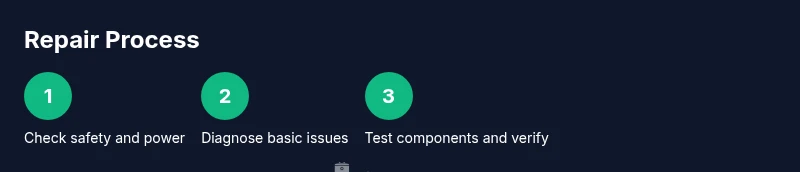
Safety cannot be overstated when you work on a house heater, especially in older Philadelphia homes with older wiring and gas lines. Before you touch any equipment, shut off power at the furnace and at the main breaker. If you smell gas, evacuate and call the gas utility or 911. Carbon monoxide risk is real with combustion equipment; install or verify a CO detector on every living floor. Keep children and pets away; wear protective gloves and eye protection. Access panels can be tight; do not force panels or remove safety guards. If you notice exposed wiring, scorched smells, or a weak pilot flame, stop and seek professional help. While some simple tasks like cleaning or filter replacement are safe, more complex work involving gas valves or heat exchangers should be performed only by licensed technicians. By adhering to safety guidelines, you reduce the risk of fire, gas leaks, or carbon monoxide exposure and set a solid foundation for a successful repair or service call.
Common Problems in Philadelphia Homes
Common heater problems in Philadelphia include dirty air filters causing restricted airflow; thermostat misreads; pilot light or ignition issues in gas furnaces; heat exchanger cracks leading to carbon monoxide risk; clogged condensate drains in high-efficiency boilers; duct leaks reducing heat delivery; outdated insulation increasing demand on the system; improper burner adjustment causing cycling or short cycling; mineral buildup in old boilers; noisy operation due to loose components; power supply or blown fuses. Recognizing these symptoms early helps you prioritize fixes, procure the right parts, and avoid wasting trips by a technician. When in doubt, consult the equipment manual and note model numbers to ensure correct parts and procedures. A proactive approach reduces emergency calls and extends the life of your system.
DIY vs Professional Repair: Costs, Benefits, and Risks
DIY repairs can save money on straightforward tasks such as filter changes or thermostat recalibration. However, many Philadelphia homes rely on gas-fired systems or older electrical setups, where improper handling can lead to dangerous situations or code violations. In most cases, a professional inspection provides a comprehensive assessment, ensures safe operation, and confirms compliance with local codes. The price landscape varies by system type, parts availability, and the complexity of the issue. While some fixes are inexpensive, others require specialized tools and licenses. The Heater Cost team emphasizes that professional service often proves cost-effective in the long run due to correct diagnostics and reduced downtime. Based on Heater Cost research, investing in a certified technician for major repairs minimizes risk and protects home value.
How to Estimate Repair Costs Without a Guess
Start by gathering basic information: system type (gas, oil, electric, boiler), age, and recent service history. Request written quotes from at least two Philadelphia-area HVAC companies and ask for itemized parts, labor, and potential trip fees. Compare quotes against the current parts availability and labor market in your neighborhood. For quick estimates, use a rough rule of thumb: expect a component replacement to cost more than routine maintenance, and factor in potential safety upgrades if codes have changed. Document the issues with photos and notes to share with technicians. Remember that price is not the only consideration—reliability, warranty, and service response time are equally important. The Heater Cost analysis suggests getting a detailed written estimate and asking about permit implications in the city.
How to Find and Vet a Philadelphia HVAC Technician
Begin with licensed, insured technicians who specialize in residential heating systems. Check state and local licensing portals and read customer reviews focusing on Philadelphia-area projects. Request references and confirm whether the technician is familiar with your specific equipment brand and model. Verify that they perform a full safety check, provide written diagnostics, and explain recommended repairs in plain language. Compare not just price but also response time, warranty terms, and post-service support. When possible, seek those who participate in continuing education for up-to-date practices and safety standards. A thorough vetting process reduces the risk of improper repairs and ensures you’re backed by a trustworthy professional in Philadelphia.
Maintenance Plans to Extend Heaters Lifespan
The best defense against sudden breakdowns is proactive maintenance. Schedule a spring and fall check to clean components, replace filters, verify thermostat accuracy, and inspect flame sensors or ignition systems for gas-fired units. Regular duct inspection helps prevent air leaks that waste energy and create colder zones in your home. In Philadelphia, where winter demands are high, a maintenance plan can improve energy efficiency and extend equipment life. Maintain clear space around outdoor condensers or furnaces, replace air filters every 1–3 months depending on usage, and address minor issues before they escalate. Thoughtful maintenance saves money, improves comfort, and reduces the chance of emergency service calls.
Immediate Steps If Your Heater Fails During Winter
If your heater goes cold on a freezing night, first ensure safety: check the thermostat, confirm the breaker, and inspect outdoor units for ice or debris. If the problem appears electrical, contact a licensed professional rather than attempting risky repairs. For gas systems, avoid manipulating gas lines or ignition components beyond basic cleaning. In Philadelphia, it’s common to have winter outages; therefore, keep a backup heat source, ensure clothing and bedding are ready for cold snaps, and have a professional scheduled promptly. Quick planning can minimize discomfort and protect your family during harsh weather strikes.