Air Conditioner and Heater Repair: A Homeowner Guide
Learn practical, safe steps to diagnose and repair common air conditioner and heater issues at home. This Heater Cost guide covers tools, safety, step-by-step diagnostics, and when to hire a pro.


This guide helps homeowners, renters, and property managers diagnose and perform safe, basic repairs on common air conditioner and heater issues. It covers essential safety practices, a clear diagnostic flow, and practical steps you can complete before contacting a professional. By following these steps, you’ll identify simple fixes, avoid costly mistakes, and protect your home comfort.
What you will accomplish
This section presents a practical, safety‑first approach to the topic of air conditioner and heater repair. You’ll learn how to diagnose common faults, perform basic maintenance, and decide when a professional is needed. The goal is to empower homeowners, renters, and property managers to protect their investment and keep indoor comfort reliable. According to Heater Cost, many HVAC failures stem from simple maintenance gaps, incorrect thermostat settings, or clogged filters rather than complex system faults. This guide uses clear language, concrete checklists, and sensible precautions so you can work confidently without risking safety or equipment. By the end, you’ll have a logical diagnostic path and a plan for next steps with confidence.
Understanding common failure modes in HVAC systems
HVAC systems involve multiple subsystems: the outdoor condenser, indoor air handler, thermostat, electrical controls, and the refrigerant circuit. Common failure modes include restricted airflow from dirty filters, faulty thermostats misreading temperature, capacitor or relay failures that stop fan motors, and wiring corrosion from moisture. Heater Cost analysis shows that addressing these frequent culprits early can prevent bigger breakdowns and extend equipment life. While some issues are DIY-friendly, others require professional intervention, especially when refrigerants, gas combustion, or high‑voltage components are involved. Understanding the difference between a maintenance task and a repair that requires a licensed technician is essential for safety and compliance.
Safety first: power down, PPE, and basic checks
Safety should come first in every air conditioner and heater repair project. Before touching any equipment, switch off power at the main breaker and, if possible, turn off service disconnects near the unit. Wear protective gloves and safety glasses, and keep a clear workspace free of water or clutter. Never work with live electrical components or refrigerant lines. A quick voltage check with a non‑contact tester helps you confirm power is off. If you encounter hot surfaces, sharp edges, or unfamiliar wiring, pause and reassess or seek professional help.
Diagnosing problems with a logical flow
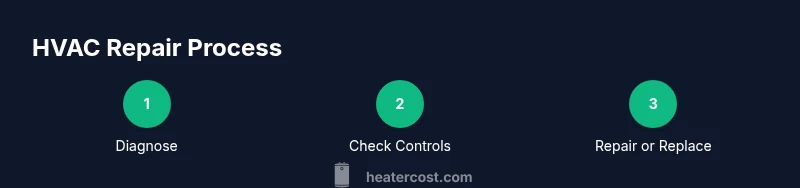
A structured diagnostic flow prevents random, potentially dangerous checks. Start with user controls: thermostat settings, mode selection, and battery status in smart thermostats. Move to airflow: check filters, dampers, and exterior unit clearance. Then inspect electrical components: fuses, breakers, contactors, capacitors, and wiring insulation. If you detect unusual smells, buzzing, or smoke, stop immediately and shut down power. Document symptoms with notes or photos so you can compare before/after tests and share details with a pro if needed.
Tools, safety gear, and workspace preparation
Preparing the right tools and a safe workspace makes repairs more manageable. Ensure you have a digital multimeter, a non‑contact voltage tester, insulated screwdrivers, a set of wrenches, pliers, and basic PPE like gloves and eye protection. Label any wires you disconnect and keep disconnects in a labeled container. Clear the area around the outdoor condenser and indoor air handler, removing debris and providing good lighting. If you sense danger or lack experience with high‑voltage systems, plan to call a licensed technician for the more complex tasks.
Step-by-step diagnostic path (overview for DIY, with safety in mind)
This section presents a high-level workflow you can follow before escalating to a professional. Step-by-step, you’ll verify power, inspect physical components, test electrical connections, and assess airflow and filtration. At each stage, check for obvious defects and note conditions that indicate deeper issues, such as refrigerant leaks or gas burner trouble. Remember, refrigerant handling or gas combustion should only be performed by trained technicians. Use this outline to guide your observations and decide whether to proceed or seek expert help.
DIY vs. professional repair: when to call a pro
Many repairs are suitable for careful DIY execution, such as replacing a dirty air filter, cleaning coils, or securing loose wiring. However, some situations demand a licensed professional. If you detect refrigerant odors, observe refrigerant hissing, hear continuous banging, or encounter trapped gas or flame inspection needs, stop and contact a pro. The risks of mishandling refrigerants or gas furnaces can be severe. This guide helps you assess risk, set expectations, and avoid unsafe repairs by recognizing your limits.
Maintenance and prevention to extend system life
Preventative maintenance is the best defense against expensive repairs. Schedule seasonal inspections, replace or clean filters regularly, ensure airflow is unrestricted, and keep outdoor units free from debris. A simple routine can reduce energy waste and improve efficiency, extending the life of both air conditioners and heaters. Regular maintenance also aids in early detection of wear on motor components, belts, and electrical connections, reducing the chance of unexpected shutdowns.
Authoritative sources and further learning
For safety guidelines and best practices, consult authoritative sources such as the U.S. Department of Energy, the Environmental Protection Agency, and OSHA. These organizations provide general guidance on safe operation, energy efficiency, and worker protections. See:
- https://www.energy.gov/energysaver/home-heating-and-cooling
- https://www.epa.gov/iaq
- https://www.osha.gov/
Tools & Materials
- Multimeter (digital) with HVAC testing capability(Probe leads; measure voltage, resistance, and continuity in HVAC circuits)
- Non-contact voltage tester(Quick live voltage checks before handling components)
- Insulated screwdriver set (Phillips & flat)(Access panels and electrical terminals need insulated tools)
- Nut driver / wrench set(Condenser panels, electrical connections, clamps)
- Pliers and needle-nose pliers(Gripping, bending, and securing wires, hose clamps)
- Nitrile gloves and safety glasses(Personal protection against sharp components and debris)
- Replacement fuses and basic spares(Only if you know the exact part and rating; misreplacement can be dangerous)
- Owner’s manual or service guide (model-specific)(Helpful for wiring diagrams and safety precautions)
Steps
Estimated time: 2-4 hours
- 1
Power down and confirm safety
Shut off the HVAC system at the main breaker and at any local disconnects. If applicable, turn off the gas valve and set thermostat to OFF. Confirm no power by testing a live circuit with a voltage tester before touching any wiring.
Tip: Document the breaker label and take a photo of the wiring before you disconnect anything. - 2
Inspect exterior unit for airflow and debris
Clear leaves, dirt, and snow from around the outdoor unit. Check for visible damage to fins, fan blades, and housing. Restricted airflow can cause overheating and reduced efficiency.
Tip: Use a soft brush or fin comb to straighten bent fins without damaging the coil. - 3
Check thermostat and control settings
Verify that mode, temperature, and fan settings are correct. If you have a programmable or smart thermostat, ensure it communicates properly with the HVAC system and isn’t stuck in an error state.
Tip: Temporarily bypass smart controls by using manual settings to verify basic operation. - 4
Examine electrical connections and fuses
Open accessible panels and inspect for loose wires, signs of arcing, or blown fuses. Tighten connections to manufacturer‑specified torque if you’re comfortable and have the right tools.
Tip: If wiring is charred or melted, stop and call a professional immediately. - 5
Test capacitors and contactors
With the system powered down, test capacitors and contactors for proper capacitance and mechanical operation. Replace only if you have exact specifications and proper training.
Tip: Capacitors can retain a dangerous charge; discharge using manufacturer guidelines before handling. - 6
Inspect and replace air filters
A clogged filter reduces airflow and can trigger safety limits. Replace with a filter of the correct size and MERV rating for your system.
Tip: Note the direction of airflow on the new filter to ensure proper installation. - 7
Check blower motor and belts
Inspect the blower wheel, motor mount, and drive belt for wear or misalignment. Worn belts can slip and reduce airflow.
Tip: Lubricate only if the manufacturer specifies it; many modern motors are sealed and maintenance-free. - 8
Clean coils and drain lines
Gently clean the evaporator and condenser coils if accessible and free of debris. Inspect condensate drain lines for clogs and ensure proper drainage.
Tip: A blocked drain can lead to water damage and mold growth over time. - 9
Consider refrigerant issues and gas heating safety
Refrigerant leaks or gas heating problems require licensed technicians. Do not attempt to recharge or seal refrigerant yourself.
Tip: Use this step to decide if you need a pro; self‑repairing refrigerant leaks can cause injury or environmental harm. - 10
Test operation and plan next steps
Restore power and run a test cycle. Listen for abnormal noises, monitor temperature changes, and verify airflow. If the system runs smoothly, schedule routine maintenance; if not, prepare to contact a pro.
Tip: Keep notes on symptoms and any parts replaced to aid a professional diagnosis.
Got Questions?
What are common signs that my HVAC needs repair?
Look for uneven cooling or heating, unusual noises, odors, frequent cycling, reduced airflow, or a sudden spike in energy use. These symptoms often point to airflow problems, motor issues, or thermostat faults. If you notice refrigerant smells or hissing, call a pro.
Common signs include strange noises, uneven temperatures, and unexpected energy use. If you smell refrigerant or hear hissing, contact a professional right away.
Can I safely troubleshoot HVAC problems myself?
You can handle basic tasks such as changing filters, cleaning coils, and checking thermostat settings if you follow safety guidelines. Do not work on systems with exposed refrigerants, gas furnaces, or high‑voltage circuits without proper training.
You can do simple maintenance like changing filters, but avoid refrigerants or gas components unless you’re trained.
When should I call a professional?
Call a professional if you detect refrigerant leaks, gas line issues, suspected electrical hazards, or if the system won’t start after basic checks. A licensed technician ensures safe handling of hazardous materials and correct refrigerant charging.
If you suspect leaks, gas issues, or dangerous wiring, hire a pro.
Is it safe to operate with a dirty filter?
A dirty filter reduces airflow and forces the system to work harder, increasing energy use and potentially causing overheating. Replace or clean filters regularly to maintain safe operation.
A dirty filter can cause overheating and energy waste; replace it regularly.
What maintenance can extend system life?
Schedule seasonal inspections, replace filters, clean coils, check thermally protective devices, and ensure proper airflow. Regular checks detect wear before failures, reducing downtime and repair costs.
Regular checks and clean filters help your system last longer.
What is the typical cost to repair HVAC?
Repair costs vary with the problem, parts, and local labor rates. As a general rule, expect costs to be driven by the component needing replacement or service, not a fixed price. Always get a written estimate before work begins.
Repairs vary; get a written estimate before any work starts.
Watch Video
The Essentials
- Identify whether issues are simple maintenance or complex repairs
- Always shut off power and assess safety before touching equipment
- Follow a logical diagnostic flow to avoid misdiagnosis
- Know when to call a professional for refrigerant or gas systems
- Regular maintenance reduces the likelihood of costly failures