Heater Pool Repair: A Comprehensive DIY Guide
Learn how to diagnose and safely repair your pool heater with a practical, step-by-step guide. Get safety tips, troubleshooting, and maintenance advice from Heater Cost to extend your pool's heating life.


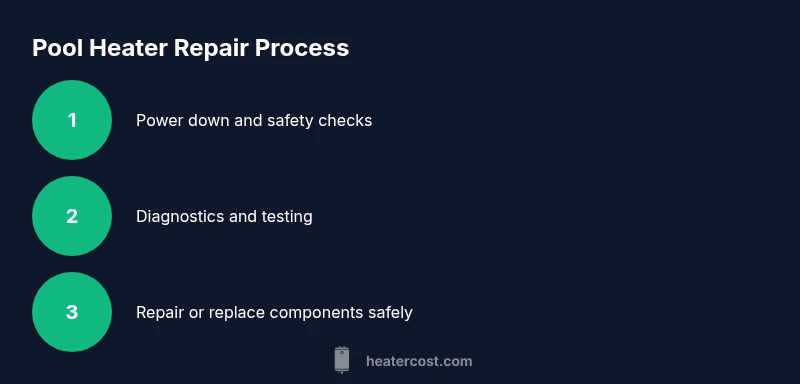
By following these steps, you’ll diagnose, troubleshoot, and safely repair a pool heater in common cases without immediately calling a pro. You’ll learn to cut power safely, test electrical and gas systems, inspect controls and water flow, and identify when professional help is needed. According to Heater Cost, careful, cost-conscious troubleshooting saves time and avoids unnecessary service calls.
What is a pool heater and how it fails
Pool heaters are purpose-built appliances that raise the water temperature for swimming pools. They come in gas, electric, and heat-pump varieties, each with distinct control systems and failure modes. Understanding the basics helps you diagnose issues more quickly and safely. According to Heater Cost, pool heaters are complex systems that blend electrical components, fuel supply, heat exchangers, and water flow controls. Common failure points include thermostat miscalibration, clogged filters, poor water flow, faulty ignition or burner assembly, and worn seals on valves or gaskets. When a heater stops heating, begins cycling on and off, or displays error codes, it is typically a symptom of either a control problem or a mechanical fault. A quick visual inspection can reveal obvious issues such as tripped breakers, corroded connections, or puddles around the unit that indicate leaks. The goal of this section is to help you categorize problems into electrical, gas/combustion, and water-flow domains so you can prioritize safety and the next steps.
Safety first: assessing risks and when to involve a professional
Working on a pool heater involves electricity, water, and, for gas models, combustion risks. Always adopt a safety-first mindset. Start by turning off power at the main disconnect and, if present, locking it out until you finish your checks. For gas heaters, shut off the gas valve and ensure there is adequate ventilation. Wear personally protective equipment: gloves, eye protection, and non-slip footwear. Keep children and pets away during inspection. If you notice a burnt smell, corrosion around electrical terminals, water leakage, or a hissing gas sound, cease work immediately and call a licensed technician. If your system includes a high-temperature limit switch, do not bypass it; it exists to prevent dangerous overheating. The objective here is to reduce risk and determine whether a DIY check is appropriate or if a professional should handle the repair.
Diagnostic basics: symptoms and quick checks
Diagnosing pool heater problems starts with careful observation of symptoms and a simple battery of checks. If the unit does not power on, verify the power supply, check the circuit breaker, and test the outlet with a non-contact tester. If the heater runs but does not heat, confirm the thermostat setting matches your pool temperature and that the timer is not preventing operation. For gas models, ensure the gas valve is open and listen for a steady ignition sequence when the unit starts. If pressure or flame instability is observed, that may indicate a fuel delivery or venting issue. Water-flow problems such as restricted filter, dirty impeller, or closed valves can prevent heat transfer even when the heater itself is functioning. Use this guide to categorize the symptom and map it to a safe, basic test before considering component-level replacement.
Electrical and control system diagnostics
Electrical faults are among the most common reasons a pool heater fails to perform. Start by turning off power at the main disconnect and verifying there is no voltage present before touching any wiring. Inspect the control panel for tripped relays, burnt connectors, or corroded terminals. Use a digital multimeter to test voltage at the service outlet, continuity through thermostat wiring, and resistance of control boards. If your model uses a digital interface, check for error codes and consult the manual’s code chart. Clean or tighten any loose connections with the power off. When you encounter inconsistent readings, replace damaged fuses or breakers and recheck. Remember that incorrect wiring or a defective diagnostic board can mimic other faults, so confirm with a methodical test plan rather than substituting parts randomly.
Gas-powered pool heaters: gas line, venting, and flame safety
For natural gas or propane models, fuel delivery and safe combustion are critical. If you smell gas or hear hissing near the unit, evacuate and call your utility provider immediately. Visually inspect the gas line for cracks, corrosion, or loose connections when power is off. Confirm the ignition sequence: the pilot or electronic igniter should light within a few seconds and the flame should be steady and blue. A yellow or flickering flame can indicate improper air-to-fuel ratio or dirty burners. Venting should be clear of debris and properly exhausting; a blocked vent can cause dangerous CO buildup. If you suspect a venting or burner issue, this is a signal to involve a licensed gas technician rather than attempting major repairs yourself.
Thermostats, sensors, and flow issues that impact heating
Systems depend on accurate temperature readings and consistent water flow. Calibrate the thermostat to reflect the target pool temperature and test sensors for drift using a known-good thermometer. Check the high-limit switch and ensure it is not tripping prematurely. Inspect the circulation pump and impeller for debris and ensure there are no airlocks in the lines. A dirty filter reduces water flow and makes the heater work harder, shortening its life. Make sure valves are open, lines are not restricted, and the pool’s chemical balance is within recommended ranges. By confirming both measurement accuracy and physical flow, you address the most common reasons a heater fails to reach or maintain temperature.
Repair workflow: safe, high-level tasks you can perform
Dar a high-level view of repair workflow oriented around safety and effectiveness rather than on detailed disassembly. The typical DIY-friendly tasks include cleaning or replacing accessible components like air filters, tightening loose connections, sealing minor leaks with appropriate sealants, reseating a thermostat wire, and confirming that safety interlocks are functioning. Always document any signs you observe (error codes, corrosion, or water intrusion) to share with a professional if needed. This section provides a framework; individual repairs may require specialized tools or expertise beyond scope.
Maintenance to prevent future breakdowns
Proactive maintenance reduces the likelihood of sudden failure and extends the life of your pool heater. Schedule seasonal inspections, clean or replace filters, and verify water chemistry monthly. Keep the area around the unit clear of debris and ensure ventilation openings remain unobstructed. Use a spare O-ring kit and thread seal tape for minor resealing tasks. Regularly test the high-limit switch and thermostat performance as part of annual maintenance. Record service dates and outcomes to track wear patterns and anticipate parts replacement before failures. Regular maintenance is cheaper than emergency repairs and keeps your pool comfortable year-round.
When to replace vs repair
Not every malfunction is worth repairing. If corrosion has compromised structural components, if the ignition system repeatedly fails after simple maintenance, or if repair costs approach or exceed the value of a replacement, consider an upgrade. Replacement often improves energy efficiency and reliability, particularly with newer models that meet current safety and environmental standards. Always weigh the upfront cost against long-term savings in energy use, warranty coverage, and the reduced risk of sudden outages. A professional assessment can determine whether a full replacement is the most economical option over time.
Tools & Materials
- Digital multimeter(test voltage, continuity, and resistance)
- Non-contact voltage tester(verify power is off before touching wiring)
- Screwdrivers (Phillips and flat-head)(panel screws and terminals)
- Adjustable wrench(fittings and connectors)
- PTFE thread tape (Teflon tape)(seal threaded fittings)
- Safety gear (gloves and eye protection)(protect against burns and sharp edges)
- Leak-detection material or sealant (optional)(for minor seal checks)
Steps
Estimated time: 2-3 hours
- 1
Power down and verify safety
Turn off the main disconnect and apply lockout if available. Confirm no voltage present at the service panel before touching any wiring. This prevents electric shock and protects equipment during inspection.
Tip: Use a non-contact tester to double-check the absence of voltage before proceeding. - 2
Check electrical supply and panel
Inspect the circuit breaker, fuses, and visible wiring for signs of overheating, corrosion, or loose connections. Reset any tripped breakers only after ensuring there is no underlying fault. Document any abnormal readings for future reference.
Tip: Take photos of wiring connections before disconnecting anything to aid reassembly. - 3
Test thermostat and control wiring
Remove access panels and locate thermostat wires. Use a digital multimeter to test continuity and verify the thermostat is signaling the heater to heat. Replace any damaged cables or loose terminals with power off.
Tip: Ensure you’re testing with power off to avoid shocks or further damage. - 4
Inspect safety interlocks and flame sensor (gas models)
Check interlocks for sticking or misalignment; clean the flame sensor with a soft cloth if needed. Confirm the flame is steady and blue when ignited; a yellow flame indicates adjustment is needed.
Tip: Only perform gas-system checks if you’re trained; if in doubt, call a pro. - 5
Check water flow and pump operation
Examine the filter and pump impeller for debris and clean as necessary. Verify water is circulating properly and that valves are fully open. Low flow is a common cause of poor heating; address obstruction before deeper repairs.
Tip: Bleed air from lines if you hear chattering in the pump. - 6
Inspect heat exchanger and seals
Look for signs of corrosion or leaks around seals and connections. Do not attempt to reseal compromised heat exchangers; this usually requires a professional.
Tip: If you see oil-like sheen in water, stop and consult a pro. - 7
Clean and reseat electrical connections
Tighten loose terminals and clean corrosion with appropriate contact cleaner after ensuring power is off. Reseat connectors firmly to ensure good contact.
Tip: Use dielectric grease where appropriate after cleaning. - 8
Run a test cycle and observe
Power the system back on and run through a full heating cycle. Listen for unusual noises and watch for tripped breakers or error codes. Document results for future reference.
Tip: Note any code or alert present on the display. - 9
Know when to call a professional
If faults persist after basic tests, component replacement, or if gas work is required, contact a licensed pool-tech or HVAC professional. A professional can safely perform pressure tests and verify emissions.
Tip: Keep a log of symptoms and steps taken to expedite service.
Got Questions?
Can I repair a pool heater myself?
Yes for basic safety checks and simple tasks, but avoid gas line work and high-voltage wiring unless you’re trained. Use this guide to assess whether the issue is within your skill set.
Yes for basic checks, but avoid gas work or high-voltage tasks unless you’re trained.
What are common signs my pool heater needs service?
If it won’t heat, trips breakers, shows error codes, makes unusual noises, or leaks water, schedule service. These signs indicate issues worth a professional check.
If it won’t heat or you see leaks or noise, get service.
Is it safe to work on gas pool heaters on my own?
Gas work involves flame safety and fuel handling; it should be performed by a licensed professional. If you smell gas or hear hissing, evacuate and call the gas utility immediately.
Gas work should be left to licensed professionals; call the utility if you smell gas.
How long does a typical repair take?
Durations vary by fault. Simple checks and adjustments may take a couple of hours, while complex issues could require a full service visit.
Duration depends on the fault; simple tasks may take a few hours.
Can maintenance prevent most pool heater issues?
Yes. Regular maintenance, including filter cleaning and water chemistry checks, reduces failures and extends heater life.
Regular maintenance prevents many problems and prolongs life.
When should I replace rather than repair a pool heater?
If corrosion is extensive, or repairs repeatedly fail and costs rise, replacement may be wiser, especially with newer, more efficient models.
If repairs keep failing, replacing might be best.
Watch Video
The Essentials
- Identify whether issues are electrical, gas-related, or water-flow related.
- Safety is the top priority; shutoffs and PPE matter.
- Follow a methodical diagnostic approach before component replacement.
- Know when DIY ends and professional service begins.