Gas Water Heater Installation: A Step-by-Step Guide
Learn how to safely install a gas water heater with a clear, step-by-step approach. This guide covers permits, venting, gas supply, electrical bonding, and safety considerations.


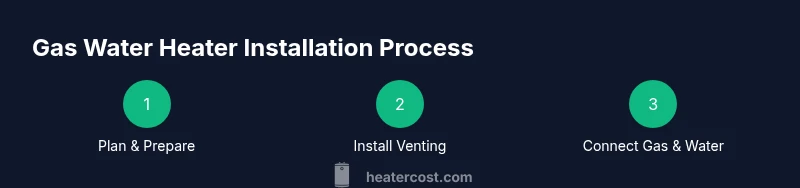
Installing a gas water heater is a substantial project that, when done correctly, delivers reliable hot water and energy efficiency. This quick answer highlights the core steps, safety checks, and permitting considerations you’ll encounter in a typical home installation. For best results, follow local codes and consult Heater Cost’s guidance.
Why installing a gas water heater matters
Installing a gas water heater properly improves comfort, efficiency, and safety for your home. When designed and installed correctly, gas-fired units can heat water quickly, operate reliably, and reduce energy waste compared with outdated systems. This section explains the core benefits and why a proper installation matters for homeowners, renters, and property managers. According to Heater Cost, investing the time to plan, select the right capacity, and meet safety standards pays off in longer equipment life and fewer call-backs. A well-executed installation supports consistent hot water supply, protects against gas leaks, and aligns with local codes. Consider factors like climate, house size, and family hot-water demand to choose a unit with appropriate recovery rate and standby loss characteristics. By understanding these fundamentals, you’ll be positioned to make smarter decisions and avoid common installation pitfalls.
Codes, permits, and planning you should know
Before you begin, verify the local requirements for gas appliance installations. Most jurisdictions require a permit, inspection, and adherence to manufacturer instructions and national standards. Planning also includes choosing a venting method, determining clearance spaces, and confirming the space can accommodate service access. Heater Cost emphasizes that following code language reduces risk and protects occupants. In many cases, a licensed professional is required, especially for gas piping, venting, and combustion-air provision. Gather drawn plans, model numbers, and sizing calculations early to keep the project on track and avoid delays. This stage also covers scheduling inspections and preparing for water- and gas-shutoff procedures during installation.
Sizing and capacity: choosing the right unit
Sizing a gas water heater involves several factors beyond merely counting bathrooms. You’ll consider peak-hour demand, family size, and simultaneous hot-water usage (showers, laundry, and dishwashing). The right unit minimizes cold-water sandwich issues and reduces energy waste. Heaters Cost recommends selecting a model with an appropriate recovery rate and a sufficient first-hour rating, ensuring you won’t run out of hot water during morning routines. In multi-family or rental properties, consult a professional to calculate simultaneous demand across units and select a system with a comfortable balance of performance and efficiency.
Venting and combustion air essentials
Gas appliances require proper venting to expel combustion byproducts safely. An undersized or poorly installed vent can lead to backdrafting and carbon monoxide risks. You’ll need a venting pathway compatible with your appliance’s BTU rating, material compatibility, and local code requirements. Combustion air is also critical—many installations rely on a dedicated space with outside openings or a sealed method with makeup air. The takeaway is that venting and air supply are not optional extras; they are core safety components of a gas water heater installation. Heater Cost suggests consulting a venting chart and following manufacturer instructions closely.
Gas supply, shutoffs, and connections
A rigid, correctly threaded gas supply line with a proper shut-off valve is essential for safe operation. Replace any corroded pipes and ensure a tight, code-compliant connection to the heater. Use gas-rated fittings and pipe dope or thread seal tape where appropriate, and avoid cross-threading or overtightening. After installation, conduct leak tests with a soapy-water solution rather than flames. The gas shut-off should be clearly labeled and accessible. This section covers practical steps to connect the line safely while meeting code requirements.
Water lines, expansion tank, and pressure relief
Water piping must be sized to accommodate the heater’s inlet and outlet. Install flexible connectors if allowed by code, and add an expansion tank if your plumbing system requires it to handle thermal expansion. The T&P (temperature and pressure) relief valve should be installed and tested according to the manufacturer guidance. Use proper piping materials and ensure clean, debris-free connections to prevent future leaks. Proper water piping reduces pressure fluctuations and helps protect the unit.
Electrical bonding and safety considerations
Even gas water heaters with electronic controls may require electrical connections for ignition, controls, or circulating pumps. Ensure a moisture-protected connection and verify electrical supply meets the unit’s voltage and amperage requirements. Where applicable, bond the metal water piping to the electrical system as recommended by code to reduce shock risk and improve fault protection. Do not rely on ground to power these devices; follow the manufacturer’s instructions and local codes.
Installation challenges and how to avoid common mistakes
Many installations fail due to rushed work, improper venting, or inadequate gas and water connections. Plan for adequate access space, confirm clearances around the heater, and avoid using damaged parts. Keep the work area clean and dry, and double-check every joint and connection for leaks. Slow, methodical installation reduces rework and ensures a safer, longer-lasting system.
Maintenance, flushing, and long-term care
A regular maintenance routine helps preserve efficiency and prolongs heater life. This includes periodic flushing to remove mineral buildup, inspecting venting systems, and testing the pressure relief valve. Schedule annual inspector visits when possible, especially in rental properties where multiple units require oversight. Document maintenance work and replace worn components promptly to prevent failures.
Tanked vs. tankless: choosing the right option for your home
Tank-style gas water heaters provide straightforward operation and predictable performance, while tankless models offer on-demand hot water with potentially higher efficiency. Your choice depends on hot-water demand, space availability, and installation cost considerations. Evaluate installation complexity, venting requirements, and potential upgrades to your home’s gas line capacity when deciding between tanked and tankless options. Heater Cost recommends modeling your peak-hour demand to determine which system best fits your home.
Tools & Materials
- Gas supply shut-off wrench(Keep accessible; label clearly)
- Adjustable wrench / pipe wrench(For gas fittings and connections)
- Soapy-water leak tester or gas leak detector(Check leaks after every joint)
- Gas-rated thread seal tape and pipe dope(Only use gas-rated products)
- Vent pipe kit or compatible venting material(Follow venting code and BTU rating)
- Pipe cutter and deburring tool(Prepare pipe ends cleanly)
- Pipe fittings and connectors (CSA/ASME rated)(Use compatible materials)
- Level, tape measure, marker(Ensure proper alignment and clearance)
Steps
Estimated time: 4-8 hours
- 1
Plan and obtain permits
Assess site, select unit, and confirm permit requirements with local authorities. Gather drawings and schedules so the install proceeds smoothly.
Tip: Obtain permit before work begins to avoid fines and rework. - 2
Shut off gas and water, drain old heater
Turn off gas supply and water, then drain the existing tank to avoid spills. Disconnect power if the unit has a control that requires it.
Tip: Have rags handy to manage any incidental spills. - 3
Remove old heater and prep location
Detach the unit, clean the area, and prepare the mounting location with proper clearances for service access and venting.
Tip: Take photos of existing connections for reference. - 4
Install venting and combustion air provisions
Install the vent system per BTU rating, and ensure proper combustion air supply per code. Seal joints and test for leaks.
Tip: Do not reuse damaged vent components. - 5
Connect gas supply and shut-off valve
Attach the gas line with proper fittings, install a shut-off valve, and test for leaks before proceeding.
Tip: Use gas-rated sealant and avoid overtightening. - 6
Connect water lines and expansion relief
Connect cold water inlet and hot water outlet, install expansion tank if needed, and test the relief valve operation.
Tip: Flush air from lines before final connection. - 7
Electrical bonding and controls
If applicable, provide power to electronic controls and bond metal piping as required by code.
Tip: Turn off electrical power when handling any wiring. - 8
Pressure test, leak check, and initial start
Pressurize the system, inspect every joint for leaks, and light the unit following the manufacturer’s startup procedure.
Tip: Have a helper observe for leaks while you test. - 9
Document, label, and finalize inspections
Record model numbers, serials, and inspection approvals. Label shut-offs and provide a user guide to occupants.
Tip: Keep a copy of manuals for future maintenance.
Got Questions?
Do I need a permit to install a gas water heater?
In most areas, a permit is required for gas appliance installation and will involve an inspection. Check your local building department and follow manufacturer instructions.
Most jurisdictions require a permit and inspection for gas water heater installation. Check with your local building department for specifics.
Can I vent a gas water heater through an existing vent stack?
Vent compatibility depends on BTU rating and vent sizing. A mismatch can create backdraft and CO risks; consult the venting chart in the installation manual.
Venting must match the unit’s BTU rating; consult the manual and local code to determine if the existing vent is suitable.
Is professional installation required by code?
Many jurisdictions require licensed professionals for gas piping, venting, and electrical connections. Verify requirements with your local authority and the installation manual.
Licensed professionals are often required for gas piping and venting; check with your local authorities and follow the manual.
What are common mistakes in gas water heater installation?
Common errors include improper venting, leaks in gas or water connections, and inadequate clearance for servicing. Planning and double-checking joints helps prevent failures.
Common mistakes include poor venting and leaks; plan and double-check connections to avoid failures.
How long does installation typically take?
Installation duration varies with unit type and existing infrastructure. Plan for several hours and consider staging the work with a professional.
It usually takes several hours, depending on the setup and whether venting needs upgrading.
What maintenance is required after installation?
Schedule annual inspections, flush the tank to reduce mineral buildup, and test the pressure relief valve regularly. Keep user manuals accessible.
Regular maintenance like annual checks and flushing keeps the heater efficient.
Watch Video
The Essentials
- Follow local code requirements and permit processes.
- Ventilation and combustion air are safety-critical.
- Verify gas and water connections for leaks before startup.
- Choose tanked vs tankless based on demand and space.
- Maintain the unit yearly to sustain efficiency.