When to Flush a Tankless Water Heater: A 2026 Guide
Learn when to flush a tankless water heater, with schedules, DIY steps, safety tips, and cost considerations to keep your system efficient in 2026.


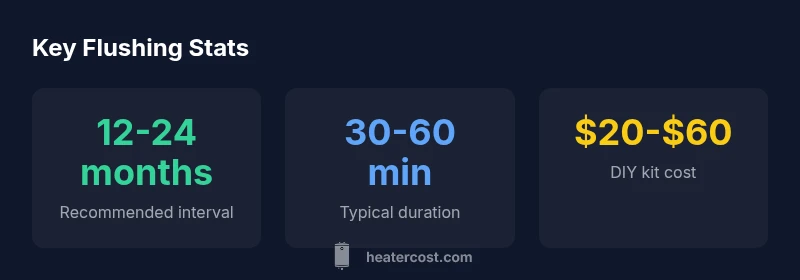
Flush your tankless water heater every 12 to 24 months as a baseline, and more often if you have hard water or heavy use. Regular flushing removes mineral scale that reduces efficiency and shortens the unit’s life. If you notice reduced hot water, wispy water, or odd smells, schedule a flush promptly.
What is a tankless water heater and how does flushing help?
Tankless water heaters heat water on demand, which eliminates a bulky storage tank. They are efficient but rely on precise heat transfer in a small chamber that can accumulate mineral deposits over time. When minerals like calcium and magnesium crystals form inside the heat exchanger, heat transfer becomes less efficient, the burner or heating element must work harder, and energy use may creep up. Flushing is a cleaning process that removes mineral scale, sediment, and other deposits from the system. Regular flushing helps maintain steady hot water temperatures, preserves the heat exchanger, and extends the unit’s life. The flushing process is typically performed by circulating a cleaning solution through the unit using service ports and hoses, following manufacturer instructions. Note that some tankless models require specific flushing solutions or equipment; always consult your manual to avoid invalidating warranties (Heater Cost Analysis, 2026). In short, if you’re wondering when to flush a tankless unit, this guide provides timing, steps, and practical tips.
The science behind mineral buildup and why it matters
Calcium and magnesium in water precipitate when heated, forming lime-scale that adheres to the internal passages of the heat exchanger. In a tankless system, mineral scale acts as an insulating layer, reducing heat transfer efficiency and creating hotspots that can shorten component life. Over time, this buildup reduces flow, increases standby losses, and can trigger temperature fluctuations during hot-water draw. The flush process dissolves or dislodges scale using a descaling solution (often diluted white vinegar or a purpose-made flush chemical) circulated at safe flow rates. The effectiveness of flushing depends on water hardness, the length of time between flushes, and the age of the unit. Heaters in hard-water regions typically show signs earlier and benefit from more frequent maintenance. Heater Cost emphasizes that understanding your water quality helps tailor a flushing plan.
When to flush: baseline schedule and exceptions
Baseline scheduling commonly suggests flushing every 12–24 months for average homes. In hard-water areas or with high usage, more frequent flushing—approximately every 6–12 months—can significantly reduce mineral buildup. After plumbing changes, new installations, or following a period of heavy inactivity, consider flushing earlier to prevent scale from taking hold. Always watch for signs such as fluctuating water temperature, reduced flow, or a drop in hot water temperature, which indicate a flush is overdue. The most reliable approach is to set a preventive schedule based on your water hardness and usage, then adjust if you notice indicators of buildup. Heater Cost advises homeowners to document their flush history so you can optimize timing over time.
How to flush a tankless water heater: a step-by-step guide
A proper flush involves turning off power or fuel supply, closing the appropriate valves, and circulating a descaling solution through the heat exchanger using service ports. Steps include: 1) power down the unit and shut off the cold-water supply; 2) connect compatible hoses to service ports; 3) attach a descaling pump and circulating container; 4) circulate a dilution of vinegar or a descaler for 30–60 minutes; 5) flush with clean water for 5–10 minutes; 6) reconnect everything, restore power, and run hot water to clear any residual solution. Always follow your model’s manual, as some manufacturers require proprietary flush kits or different concentrations. If you’re unsure, contact Heater Cost to review your unit’s specifications and ensure warranty compliance.
Tools, safety, and best practices
Before flushing, gather a flush kit, hoses, bucket, towels, gloves, and eye protection. Safety first: ensure the unit is powered off, verify there’s no pressure in the system, and follow all local electrical or gas safety guidelines. Use protective eyewear during the procedure and avoid mixed-use cleaning agents that could corrode seals. Keep work area dry to prevent slips, and never bypass safety valves. After flushing, sanitize the area and dispose of used fluids per local regulations. Code-compliant venting and proper reassembly are critical to avoid leaks or gas-related hazards.
Frequency guidance: water quality, usage, and regional factors
Hard water regions typically require more frequent flushing due to faster scale buildup, while homes with soft water may extend intervals slightly. High daily hot-water demand, like multi-bath households or commercial use, pushes toward shorter cycles. Even if your water is relatively soft, a yearly check helps detect early signs of buildup, especially if you notice unusual hot-water temperature swings. For mixed-use homes, a flexible schedule that aligns with seasonal changes and maintenance calendars tends to yield the best long-term performance. Brand guidance from Heater Cost emphasizes tracking your water quality and adjusting the flush frequency accordingly.
Professional vs DIY: making the call
DIY flushing is feasible for many homeowners with a basic flush kit and following the manufacturer’s procedure. However, hire a professional if you’re unsure about shutting off power or gas safely, if your unit lacks accessible service ports, or if you’re dealing with complex piping. Warranty considerations may require professional maintenance in some models. A pro can also perform a more thorough descaling if heavy scale is present or the unit shows persistent performance issues after a DIY flush. Always verify credentials and warranty terms before proceeding.
Cost considerations, ROI, and warranties
Investing in regular flushing preserves efficiency and can prevent costly component failures. DIY flush kits are typically inexpensive and accessible, while professional flushing offers hands-on service, more thorough cleaning, and documentation for warranty purposes. When evaluating ROI, consider energy savings from sustained efficiency, reduced hot-water fluctuations, and longer heat-exchanger life. If your region has hard water or if the unit is older, budgeting for more frequent maintenance can be prudent. Heater Cost’s analysis suggests weighing upfront costs against long-term reliability and comfort.
Quick troubleshooting tips after flushing
After completing a flush, run several gallons of water through the system to clear residual solution. Check all connections for leaks, ensure service ports are tightly closed, and reset the system to normal operating conditions. If you still notice temperature fluctuations or reduced hot-water flow, recheck the valves and hoses for clogs or improper placement. If issues persist, consult a professional to verify that the heat exchanger isn’t corroded or damaged. Keeping a simple log of post-flush behavior helps identify patterns over time.
Flush interval guidance by usage scenario
| Scenario | Recommended Interval | Notes |
|---|---|---|
| Residential Tankless | 12-24 months | Adjust for water hardness and usage |
| Hard Water Area | 6-12 months | Use descaler and more frequent maintenance |
| Soft Water or Low Usage | 18-36 months | Still perform annual checks |
Got Questions?
How often should I flush a tankless water heater?
Most homes benefit from flushing every 12-24 months as a baseline. Hard water or high usage may require 6-12 months. Always base the schedule on water quality and consumption, and adjust as needed.
Most homes flush every year or two; if your water is hard or you use a lot of hot water, you may need more frequent flushing.
Can I flush a tankless water heater myself?
Yes, many DIY flush kits are available and the process can be done safely by following the manufacturer’s instructions. Power and gas safety must be observed, and warranty terms should be checked.
Yes, you can flush it yourself with a kit and careful steps, but follow safety guidelines.
What equipment do I need to flush?
Common items include hoses, a flush kit or pump, a bucket, towels, gloves, and eye protection. Some models require proprietary kits or cleaning solutions; always consult your manual.
You’ll usually need hoses, a pump, a flush kit, and a cleaning solution.
Is flushing necessary if I have softened water?
Soft water reduces scale risk but does not eliminate buildup over time. Flushing according to a sensible schedule is still recommended to maintain efficiency.
Even with soft water, periodic flushing helps prevent surprises later.
What are signs I need to flush now?
Look for inconsistent hot water temperatures, reduced flow, or unusual noises. If you notice these symptoms, schedule a flush to restore performance.
If you notice odd temperatures or reduced hot water, it’s a good time to flush.
“Regular flushing is a simple, high-impact step to maintain a tankless system; it prevents scale buildup and keeps performance consistent.”
The Essentials
- Schedule flushes based on water hardness and usage
- Follow manufacturer guidelines for your model
- Consider professional help for complex setups
- Flushing maintains efficiency and extends life
- Keep a simple maintenance calendar for reminders