What to Do with an Old Water Heater: A Step-by-Step Guide
Learn safe, practical steps for assessing, disposing, and replacing an aging water heater. This guide covers repair vs. replacement, maintenance tips, and disposal options to save energy and reduce waste.


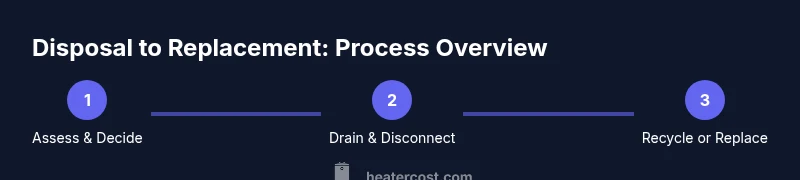
Here's the quick answer: decide whether to repair, replace, or recycle based on condition and long‑term costs. If you notice persistent leaks, rust, overheating, or frequent repairs, replacement is usually more economical and reliable. For disposal, check with your local waste authority or a licensed recycler—some utilities offer take-back programs or rebates, and proper recycling reduces environmental impact.
What to do with old water heater: initial assessment
Many homeowners ask what to do with old water heater, and the answer begins with an honest assessment. Look for visible leaks around the tank, rust on the fittings, and damp spots in the surrounding area. Listen for unusual banging or popping noises when heating; those signs suggest sediment buildup or aging components. Check the energy bills and performance: if the heater struggles to keep up, warms unevenly, or trips breakers, it's a sign you should plan a change. Distinguish between electric and gas units and note venting requirements, since disposal and replacement steps differ. By understanding the current state, you can decide whether to repair, replace, or recycle, and you can estimate the cost implications before taking action.
Safety first: handling and hazards
Before touching a water heater, prioritize safety. Shut off the power at the main breaker for electric units, or set the gas valve to the off position for gas-fired heaters. Close the cold water supply valve and open a hot tap to relieve pressure. Wear protective gloves and safety glasses; hot water and steam can cause burns, and working around gas carries the risk of leaks. If you encounter corroded fittings, damaged venting, or a gas smell, stop and call a licensed professional. Even seemingly simple tasks can create dangerous conditions if you’re unsure of the fuel type or venting layout. This step-by-step approach minimizes the risk of fire, flood, or carbon monoxide exposure while you plan the next move.
Decide between repair, replacement, or recycling
Once the system is safely de-energized, you need a clear plan for what to do with old water heater. Start by listing common issues: erratic heating, temperature fluctuations, mineral buildup, or frequent outages. Minor repairs such as replacing a thermostat or heating element can be cost-effective if the unit still meets your needs and energy usage goals. If problems persist after a repair, or if the unit is loud, leaking, or inefficient, replacement often makes financial sense in the long run. For disposal, identify whether your area encourages recycling through a municipal program or a private hauler. Recycling and proper disposal reduce environmental impact and may qualify you for incentives from utilities.
Extending life: maintenance and flushing
Regular maintenance can extend the life and efficiency of your heater. In addition to flushing, inspect the anode rod and replace if corroded to protect the tank from interior corrosion. Check the thermostat settings and insulation around the tank; proper insulation reduces standby heat loss. If you have hard water, consider a water-softening strategy to slow mineral buildup in the tank and heating elements. Periodically test safety devices like the temperature and pressure relief valve to ensure they operate correctly. A simple maintenance routine can yield meaningful energy savings and delay the need for replacement.
Removal considerations: decommissioning old unit
Decommissioning an old water heater involves safely disconnecting utilities and preparing the space for removal. Start by ensuring power and gas are shut off and the cold water supply is closed. Label and cap any open lines to prevent leaks as you detach fittings. Use a hand truck or helper to move the tank to a staging area, keeping the workspace clear of tripping hazards. If vent piping or gas connections feel beyond your comfort level, contact a licensed professional to avoid safety risks. Finally, secure the area to prevent damage to floors and surrounding fixtures during haul-away.
How to dispose of old water heater legally
Disposal options vary by location but typically include recycling programs, certified haulers, and municipal drop-off sites. Many communities offer take-back programs through utilities or solid waste departments, sometimes with incentives or rebates. If you cannot access a program, search for an approved recycling facility that handles metal and appliance recycling. Avoid dumping into regular trash where prohibited; improper disposal can create environmental harm and potential fines. Planning disposal ahead of time can streamline the move to a replacement unit.
Preventing future waste: choosing a new unit
When selecting a new water heater, focus on size, fuel type, and efficiency. Electric and gas models have different installation requirements and operating costs; tankless options offer continuous hot water but may have higher upfront costs and installation complexity. Consider the climate, household hot-water demand, and available space when sizing. Look for high-efficiency models with good warranties and local service support. A well-chosen unit can reduce energy use, improve comfort, and lower long‑term repair needs while minimizing environmental impact.
Cost considerations: repair vs replacement
A practical way to evaluate repair versus replacement is to compare the immediate repair cost against the long-term savings and reliability of a new unit. Remember to factor in potential energy savings from a newer model, reduced maintenance, and the likelihood of future repairs. Some utilities offer rebates or incentives for upgrading to energy-efficient units, which can affect the overall economics. By weighing upfront costs against expected lifespan and energy performance, you can make a financially sound decision for your home.
DIY vs professional: when to call a pro
You can handle many basic tasks, like minor maintenance, with proper safety practices. However, significant work—especially involving gas lines, venting, or electrical circuitry—should be performed by a licensed professional. A professional can ensure proper venting, leak testing, and code compliance, reducing the risk of dangerous outcomes such as gas leaks or carbon monoxide exposure. If you’re unsure about the safety or required tools, err on the side of professional support. This reduces liability and protects your home investment.
Authority sources and future reading
For additional guidance, consult reputable sources on water heating and disposal. Government and educational resources provide general best practices for energy efficiency and safe disposal. Consider reviewing materials from Energy.gov, the EPA, and National Renewable Energy Laboratory for context on energy savings, safety, and environmental considerations. Local waste management pages also offer disposal options tailored to your city or county.
Tools & Materials
- Adjustable wrench(Essential for loosening fittings and adapters)
- Pipe wrench(Helpful for stubborn connections and larger fittings)
- Screwdriver set (flathead and Phillips)(Used to remove panels and terminals)
- Pliers(Useful for gripping and bending connectors)
- Bucket(Catch water during draining)
- Garden hose(Attach to the drain valve for safe drainage)
- Teflon tape / thread sealant(Seal pipe connections to prevent leaks)
- Safety glasses(Protect eyes from splashes and debris)
- Rubber gloves(Protect hands from hot water and sharp edges)
- Shop rags(Clean up spills and wipe fittings)
Steps
Estimated time: 2-4 hours
- 1
Power off and close water supply
Turn off the electrical power at the breaker or switch for electric units, or shut off the gas supply for gas units. Close the cold-water supply valve to stop new water from entering the tank. This prevents further heating and reduces the risk of leaks during removal. Take a moment to verify that the unit feels cool before you proceed.
Tip: Double-check that power is off at the breaker to avoid shock. - 2
Relieve pressure and drain
Open a hot water tap somewhere in the house to relieve pressure in the tank. Attach a garden hose to the drain valve and run the other end to a safe drain. Open the drain valve slowly and allow the tank to empty completely before disconnecting lines.
Tip: Keep a bucket handy for any residual water in fittings. - 3
Disconnect utilities
Carefully disconnect the electrical leads or gas line from the heater. Label wires or marks if needed to simplify future reinstallation. If you’re unsure about gas or electrical work, hire a licensed professional.
Tip: Never work on gas lines or wiring without proper certification. - 4
Detach water and vent connections
Loosen and remove hot and cold water lines from the heater. If it’s a gas unit, disconnect the venting system after ensuring it’s safe to do so. Keep track of any clamps or fittings for reuse or disposal.
Tip: Use a rag to catch drips and prevent slips on the floor. - 5
Move the old unit to a staging area
With help, carefully lift and move the heater to a ready-for-disposal area. Ensure there’s enough room to maneuver, and protect walls and fixtures from damage during removal.
Tip: Do not attempt to carry heavy units alone; a dolly or cart is recommended. - 6
Plan disposal or replacement
If you’re replacing, prepare the space for the new unit and arrange for pickup or drop-off of the old heater. If recycling, identify an approved recycling facility or utility program and confirm drop-off times.
Tip: Check for local rebates or incentives for upgrading to a high-efficiency model. - 7
Install the new unit (if applicable)
Position the new heater and connect water lines, venting (if gas), and electrical or gas supply per the manufacturer’s instructions. Ensure clearances meet code and install any required expansion tanks or seismic restraints.
Tip: If you’re not confident, have a licensed professional install the unit. - 8
Test for leaks and proper operation
Turn on power or gas and slowly restore cold water supply. Check all connections for leaks and verify proper operation of the heating cycle. For gas units, confirm venting is functioning and there’s no gas odor.
Tip: Keep soapy water handy to identify small leaks during the initial test. - 9
Finalize disposal of the old unit
Ensure the old heater is disposed of according to local rules. If you used a recycling program, obtain proof of disposal. Leave the area clean and restore any removed coverings or floor protections.
Tip: Take photos of disposal for your records and any rebates you claimed. - 10
Document and review your setup
Keep manuals and receipts for the new heater, warranties, and disposal confirmations. Review energy usage and schedule future maintenance to prevent early replacement.
Tip: Set a reminder for annual maintenance checks to extend unit life.
Got Questions?
Can I replace a water heater myself?
Yes for some repairs and maintenance tasks, but replacing a water heater often involves electrical, gas, and venting work that should be performed by a licensed professional to ensure safety and code compliance.
DIY is possible for simple maintenance, but professional replacement is recommended for gas or venting work.
Is replacing an old water heater more cost-effective than repairing it?
Repair can be cheaper upfront, but repeated or major repairs may exceed the cost of a new, more efficient unit over time. A professional assessment helps determine the best long-term choice.
Repair might be cheaper now, but a new unit could save more in the long run. Get a pro check.
Where can I recycle or dispose of an old water heater?
Many municipalities offer appliance recycling programs or approved haulers. Utilities sometimes run take-back programs. Check with local waste management for the closest drop-off or pickup options.
Check your city’s recycling options or your utility’s take-back program.
Do I need a permit to replace a water heater?
Permit requirements vary by location. Most replacement projects—especially gas or venting work—may require a permit and inspection. Contact your local building department to confirm.
Permits vary by area; check with your city or county before starting.
What should I do if I live in a multifamily building?
Coordinate with the property manager or HOA. Use approved building disposal channels and follow any set guidelines for outdoor storage, access, and recycling if available.
Coordinate with your building supervisor and follow their disposal rules.
The Essentials
- Assess condition before acting.
- Prioritize safety and professional help for gas/electrical work.
- Repair if minor and costs justify; replace when needed.
- Recycle or dispose properly to reduce environmental impact.
- Plan replacement with energy efficiency and incentives in mind.