How to Recycle a Water Heater: A Step-by-Step Guide
Learn how to responsibly recycle a water heater, from safety prep to choosing a recycler, with tips on costs, incentives, and environmental impact from Heater Cost.


Learn how to recycle a water heater responsibly, from safe shutdown and drainage to choosing a recycler and claiming incentives. This guide covers prep steps, transport tips, and what to expect at the recycling facility. By following these steps, you’ll minimize waste, recover metals, and keep your home and environment safer.
What recycling a water heater really means
Recycling a water heater isn’t just about disposing of an old appliance; it’s about recovering valuable metals and reducing landfill waste. Most tanks are high–steel content with copper fittings and some electronics. Properly recycling involves safely disconnecting utilities, draining residual water, and transporting the unit to a certified recycler. By understanding what can be recovered and how facilities process components, homeowners can make smarter, greener choices. According to Heater Cost, recycling water heaters can recover metals and reduce landfill use, contributing to lower overall environmental impact. This knowledge helps homeowners plan for safe handling, avoid improper dumping, and support local recycling ecosystems. The goal is to minimize hazardous waste exposure and ensure the unit’s components are reused or remanufactured where possible, rather than left to degrade in landfills. By adopting these practices, families protect indoor air quality and conserve natural resources while complying with local regulations.
As you prepare, remember that the safest, most responsible path is to involve a certified recycler who understands what can be recovered and how to separate materials efficiently. The Heater Cost team emphasizes the importance of planning ahead, especially if the unit contains insulation materials or electronic components that require special handling. Keeping these considerations in mind will make the recycling process smoother and more effective for your home and your community.
Why proper disposal matters for the environment
Recycling a water heater reduces the demand for virgin raw materials and lowers energy consumption associated with producing new metal products. The steel shell, copper tubing, and any remaining brass components are valuable to scrap metal facilities, while the insulation and glass lining can be managed by appropriate waste streams. When you recycle, you also avoid potential pollutants leaking into soil or groundwater. The environmental benefits compound when multiple homes participate, creating local impacts such as reduced greenhouse gas emissions from mining and refining metals. Heavier appliances, if dumped improperly, can contribute to clutter and increase landfill burden; recycling streamlines the end-of-life path for these units. The Heater Cost analysis highlights that choosing nearby, accredited recyclers improves diversion rates and minimizes transportation emissions. In addition to ecological gains, recycling can help consumers feel confident that they’re taking responsible action aligned with modern waste-management standards.
Before you recycle, confirm that your local program accepts water heaters in their standard metal recycling stream and whether any fees apply. Some facilities require the tank to be drained or disassembled before drop-off. Planning ahead saves time and ensures your unit is processed in a compliant, environmentally friendly way.
Safety first: planning and prep for recycling
Safety is the foundation of any recycling project. The first step is to shut off power or gas supply to the water heater, then shut off the cold water line. Drain the tank to remove standing water and reduce weight, making transport safer. If you’re unsure about disconnecting gas lines, contact a licensed technician—the gas system must be handled by a pro to prevent leaks or explosions. Wear eye protection and gloves, and have towels or a bucket handy for spills. Gather your tools and materials (gloves, safety glasses, a dolly, wrenches, a hose, and a transport vehicle) before you begin. Confirm with your recycler what disassembly steps they require; some facilities accept the tank as-is after draining, while others want core components separated. The Heater Cost team notes that thoughtful planning reduces the risk of injury and ensures the unit is ready for recycling when it arrives at the facility.
If your unit contains an insulated blanket or asbestos-like insulation from older models, avoid breaking it apart. Leave handling of these materials to trained professionals following local hazardous-waste guidelines. By preparing properly, you protect household members and neighbors while keeping disposal compliant with local rules.
Step-by-step: how to physically recycle a water heater
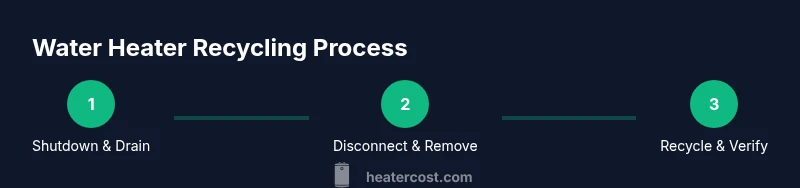
- Power down and isolate: Turn off electricity at the breaker (or shut off gas supply) and ensure the unit cannot be powered while you work. This prevents shocks or gas leaks during removal.
- Drain the tank: Attach a drain hose to the valve, place the other end in a drain or bucket, and open the valve. Let the tank drain completely, which reduces weight and spills.
- Disconnect lines: Use the appropriate wrench to detach cold and hot water pipes. Cap or seal open lines to prevent debris from entering the system, and if you’re not replacing the unit, seal the gas line and vent if applicable—this step is best handled by a pro for gas units.
- Remove electrical connections: If electric, unplug from the circuit and disconnect any thermostat or control wiring. Label wires if you plan future reuse, though most homes recycle the entire unit.
- Lift and secure the tank: With a dolly, carefully lift the tank from its mounting, keeping it upright to minimize leaks. Secure the unit for transport to prevent shifting.
- Transport to a recycler: Load the tank into a truck or trailer, secure it, and bring it to a certified facility or metal recycler. Request a receipt or proof of recycling for your records.
- Disassemble optional components: If your recycler requires it, remove copper tubing, thermostat, and electrical components for separate processing. Separate metal from non-metal parts to increase recovery.
- Document and follow up: Keep documentation of the recycling transaction and review any local incentives or rebates with your utility or municipality.
Estimated total time: 2-6 hours depending on access, size, and local requirements.
Where to recycle: options and tips for local drop-offs
Many municipalities offer curbside or drop-off recycling for metal appliances. Start by contacting your local waste management or public works department for approved facilities. Scrap metal yards, metal recycling plants, and appliance recyclers usually accept water heaters because the steel shell is highly recyclable and copper fittings have substantial value. Some retailers or utility providers offer take-back programs or incentives for recycling old units. When choosing a drop-off option, confirm hours of operation, acceptance policies, and any fees. Bring identification, proof of residency, and a brief description of the unit (age, size, and whether it includes a gas connection). The Heater Cost analysis shows that proximity and proper certification tend to correlate with smoother experiences and better recovery outcomes. If you’re unsure about any step, call ahead to confirm what they accept and whether the heater must be completely drained or disassembled before drop-off.
If you can’t transport the unit yourself, look for local removal services that partner with recycling facilities. While some services charge for pick-up, you may save money by combining disposal with other bulky items. Always obtain a receipt and note the recycler’s name and address for future records. Supporting local programs strengthens community recycling networks and ensures the materials are handled by qualified professionals.
Costs, incentives, and environmental impact
Costs for recycling a water heater vary widely by region and by whether you hire a removal service, transport the unit yourself, or drop it off at a facility. Some recyclers charge a small processing fee, while others pay a modest amount for the metal content they recover. Local utilities may offer rebates or incentives for residents who recycle old appliances, and some jurisdictions waive fees for proper disposal. The available incentives depend on your location and current programs, so it’s wise to check with your utility provider before disposing of the unit. From an environmental standpoint, recycling reduces energy consumption and raw material extraction, cutting emissions and conserving natural resources. The Heater Cost team notes that participating in recycling programs can yield long-term savings on energy and materials use, particularly when larger batches of appliances are recycled in community programs. When evaluating options, consider total cost, environmental benefits, and the reliability of the recycling facility. Seek facilities that provide clear proof of recycling to satisfy local requirements and ensure the materials are processed responsibly.
Environmental health and safety considerations
Water heaters may contain residual minerals and, in older models, insulation that can present safety concerns if mishandled. Always drain and disconnect safely to minimize exposure to hot water and pressurized lines. If you suspect hazardous materials, such as asbestos-like insulation, contact trained professionals and follow local hazardous-waste guidelines. Wear proper PPE, including gloves and eye protection, and keep children and pets away during the process. Recycle with reputable facilities that follow state or national guidelines for appliance disposal. By following safety protocols and choosing certified recyclers, you protect your family, your neighbors, and the environment while ensuring your unit’s materials are recovered and repurposed for future use.
Common mistakes and how to avoid them
- Skipping proper shutdown can lead to shocks or gas leaks. Always verify breakers are off and gas supplies are secured before touching the unit.
- Draining incompletely creates spills and heavy loads. Ensure the tank is completely emptied before transport.
- Ignoring local rules can cause fines or improper disposal. Always contact the recycler to confirm acceptance policies and required steps.
- Mixing metal and non-metal components complicates processing. Separate copper, brass, and steel where possible or follow the recycler’s guidelines.
- Storing a water heater indoors without a plan can create safety hazards. Move the unit to a well-ventilated area and secure it for transport.
Next steps and resources: making recycling easy
To finish the process, contact local recyclers to compare acceptance policies and pricing (if any). Gather your documentation, check for rebates, and schedule removal if needed. Use official government or utility pages to verify permitted disposal windows and approved facilities. You can also visit the Heater Cost website for a quick-start list of nearby recyclers and a primer on what to ask before dropping off your unit. Keeping a small checklist ensures you don’t miss key safety steps or required paperwork. By planning ahead and choosing reputable facilities, you’ll complete the recycling process smoothly and responsibly.
Tools & Materials
- Safety gloves(Leather or cut-resistant; protect hands during lifting and cutting edges)
- Safety glasses(Eye protection when cutting or draining)
- Dolly or hand truck(For moving the old heater safely)
- Wrench and pliers(To disconnect fittings)
- Bucket and towels(Catch residual water; protect floor)
- Hose(Attach to drain valve if needed)
- Sealants/pipe dope(If resealing joints during removal)
- Vehicle or trailer(To transport to recycler)
- Local recycler information(Address, hours, and acceptance policies)
Steps
Estimated time: 2-6 hours
- 1
Power down and isolate
Turn off power at the breaker and shut off the gas supply if applicable. Verify that the unit cannot be powered during work and disconnect any electrical connections if safe to do so.
Tip: Use a non-contact voltage tester to confirm no live current. - 2
Drain the tank
Attach the drain hose to the valve, run the hose to a suitable drain, and open the valve to empty the tank. Let it drain completely before proceeding.
Tip: Have towels ready for minor spills and wear gloves. - 3
Disconnect water and gas lines
Carefully detach cold and hot water lines with the appropriate wrench. Cap open lines to keep debris out. For gas units, coordinate with a licensed technician to safely disconnect.
Tip: Gas line work should be performed by a pro; do not DIY gas disconnections. - 4
Disconnect electrical and remove fittings
Unplug the unit and disconnect any thermostat wiring. Label wires if you plan reuse, though most people reuse or recycle the entire unit.
Tip: Take a photo of wire connections before detaching for future reference. - 5
Lift and remove the tank
Using a dolly, lift the tank from its mounting and move it to your transport vehicle. Keep the unit upright to minimize leaks and avoid damaging surrounding areas.
Tip: Work with a partner to prevent accidents. - 6
Transport to recycler and obtain proof
Secure the tank in your vehicle, take it to a certified recycling facility or metal recycler, and request a receipt or certificate of recycling.
Tip: Keep the receipt in your records for future reference. - 7
Follow up on components and incentives
If your recycler accepts separated components (copper tubing, wiring), do so per their guidelines. Check for local incentives or rebates for appliance recycling.
Tip: Ask about any eco-rebate programs available in your area.
Got Questions?
Is it safe to recycle a damaged water heater?
Yes, with proper precautions. Turn off utilities, drain if possible, and contact a certified recycler or professional for handling damaged units, especially gas-fired models.
Yes, it’s safe when you shut off utilities, drain the unit, and use a certified recycler for damaged models.
Do I need to drain the water heater before recycling?
Yes. Draining reduces weight and helps prevent leaks during transport. It also minimizes spills at the drop-off facility.
Yes, drain the tank first to reduce weight and spills when transporting.
Are there incentives for recycling water heaters?
Some regions offer rebates or incentives for appliance recycling. Check with your utility and local government to see what programs apply.
Some areas offer rebates; check with your utility for programs.
What information should I bring to a recycler?
Bring proof of ownership and residency, unit details, and any required forms requested by the recycler. Having a photo of the unit can help with identification.
Bring ID and proof of residence, along with any unit details the recycler requests.
What if my water heater contains asbestos insulation?
Older units may have asbestos-containing insulation. Do not handle or disturb it. Contact a licensed hazardous-waste specialist and follow local disposal regulations.
If you suspect asbestos, don’t handle it yourself—contact a licensed hazardous-waste pro.
Watch Video
The Essentials
- Identify local recycling options and acceptance policies.
- Drain and disconnect safely to minimize risk.
- Separate metals to maximize material recovery.
- Keep receipts and documentation for incentives and proof of recycling.
- Coordinate with qualified recyclers to ensure proper handling.