How to Get Rid of an Old Hot Water Heater: Safe Disposal Guide
Step-by-step guidance to safely remove, drain, disconnect, transport, and recycle an old hot water heater. Includes safety tips, permits, and where to recycle.


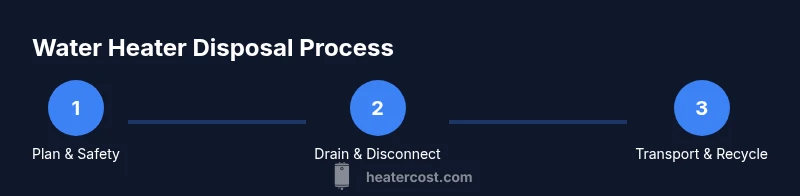
How to get rid of an old hot water heater safely starts with shutting off power or gas, closing the water supply, and draining the tank. Then disconnect the plumbing, remove the unit, and transport it to a licensed recycler or disposal site. Check local rules and recycling options. Heater Cost explains the exact steps below.
Why safely disposing of an old hot water heater matters
Old water heaters can corrode, leak, or rupture, risking water damage, mold growth, and environmental contamination. Disposing of these units responsibly protects your home and community. In many regions, recycling programs offer free or low-cost pickup and give the tank a second life as scrap metal. By following proper disposal practices, you’re also aligning with local codes and safety standards that reduce fire and gas hazards. This guidance from Heater Cost helps homeowners plan a compliant, worry-free removal process.
Key idea: Safe disposal minimizes risk, saves money on potential fines, and supports recycling ecosystems that reduce landfill waste.
Understanding tank types and disposal options
Water heaters come in standard tank models and newer tankless variants. Most traditional tanks are made with steel and glass lining, often containing insulation and, in some cases, small quantities of refrigerants or coolant components. When you retire a tank, your options typically include:
- Recycling at a metal recycling facility or appliance recycler
- Scheduling curbside appliance collection if your municipality offers it
- Drop-off at a local transfer station or hazardous-waste facility (if required)
Tankless units have different handling needs, but the disposal principle remains: verify local rules, use a licensed recycler when possible, and never dump hot water heater components into septic or storm drains. This ensures you don’t contaminate groundwater or trigger utility-customer penalties. Heater Cost’s guidance emphasizes verifying accepted acceptance centers in your area.
Planning the removal: permissions, scheduling, and hauling
Before you touch the heater, map out the plan. Create a simple checklist: shut off power or gas, close the cold water supply, attach a drain hose, gather tools, and arrange a transport method. If you live in a shared building or have a tight space, coordinate with the building manager and check if a crane or professional removal is recommended. Some cities require a disposal or recycling permit, even for transport; Heater Cost notes that planning ahead can prevent last-minute delays.
Additionally, confirm the pickup or drop-off window with the recycler and set aside a clear path from the heater to the vehicle. Keep pets and children away during the process to maintain safety and minimize distractions for a smoother removal.
Safe draining and disconnecting: equipment you will use
Drain the tank completely to minimize spill risk. This step reduces the chance of scalding and helps prevent water damage as you disconnect lines. You’ll need a bucket or a drain hose, wrenches, pliers, and protective gear. For gas units, remember to shut off the gas supply and ensure proper ventilation. Electric units require power shut-off at the breaker panel.
This section covers the critical safety actions: draining slowly to prevent pressure buildup, deactivating the electrical connection, and isolating the water and gas lines. If you encounter corrosion or seized fittings, pause and consult a professional rather than forcing components. The goal is a clean, controlled disconnect rather than a rushed demolition.
Transportation and recycling: where to take it and what to expect
Once the unit is detached, prepare it for transport. Use a dolly or appliance hand truck to move the tank; secure it with straps to prevent shifting. Only load the heater when it’s stable and within weight-bearing limits of your vehicle. Take it to a licensed appliance recycler or municipality disposal site. Some programs offer pickup services or credit for scrap metal. Ask about documentation for recycling and any potential fees.
If insurance or a warranty applies to the removal, keep receipts and dates for your records. Recyclers may request photos of the unit or its serial number to confirm it’s an old appliance, ensuring compliance with environmental regulations.
Common mistakes to avoid
- Rushing the disconnect: hasty work increases the risk of leaks or gas exposure. Take your time and double-check connections.
- Skipping gas or electrical shutoff: never remove a live hot water heater. Always verify power and gas are fully off.
- Improper drainage: pouring hot water down drains or onto landscaping can cause scalding and damage.
- Ignoring local rules: disposal rules vary by city and state; failing to follow them can result in fines.
- Lacking proper equipment: attempting removal without a dolly or straps can cause injuries or damage to your home.
After disposal: space, rebates, and next steps
With the heater removed, clean and inspect the area for leaks or staining. If you plan a replacement, evaluate current demand, energy efficiency, and installation costs to optimize your investment. Some municipalities or manufacturers offer rebates or tax incentives for upgrading to high-efficiency models, which Heater Cost covers in its cost guides. Document the disposal for future reference and to support any future resale or insurance claims.
Tools & Materials
- Safety goggles(Protect eyes from splashes and debris)
- Heavy-duty work gloves(Grip and protect hands)
- Adjustable wrench(Loosen fittings and drain valve)
- Pipe wrench(Useful for stubborn pipes)
- Screwdrivers (flat and Phillips)(Remove brackets or panels)
- Pliers(Helper for clamps and hoses)
- Drain hose or bucket(Direct water safely away from structure)
- Dolly or appliance hand truck(Move heavy unit without strain)
- Straps or bungee cords(Secure the unit during transport)
- Tarps or rags(Contain leaks and protect floors)
- Trailer or pickup with ramp(For larger or multiple units)
- Marker tape and sealant(Label or seal temporary vents if needed)
Steps
Estimated time: 2-4 hours
- 1
Shut off utilities
Turn off power at the breaker or switch off the gas supply. Confirm there is no electrical current in the unit and ensure gas lines are fully closed. This step minimizes fire and leak hazards before you begin draining.
Tip: Double-check with a voltage tester on electric units before touching wiring. - 2
Close water supply and drain
Close the cold water inlet valve. Attach a drain hose to the valve drain or place a bucket under the drain port and open the valve to drain the tank completely. Allow several minutes for the tank to empty.
Tip: Keep a container ready for hot water to avoid scalding during drainage. - 3
Disconnect lines
Carefully disconnect hot and cold water lines from the tank. Cap or seal the open fittings to prevent debris from entering the plumbing. If your unit is gas-powered, disconnect the gas line after ensuring a gas-safe environment.
Tip: Mark the lines to avoid confusion during reassembly or replacement. - 4
Relieve pressure and vent (where applicable)
For gas units, ensure the venting is safely capped and the space remains ventilated. For electric units, this step is not required, but verify there is no residual pressure in nearby piping.
Tip: Never attempt to vent a live gas line inside living spaces. - 5
Disconnect electrical or gas supply
If electric, switch off the circuit at the breaker panel and unplug the heater if possible. If gas, close the main gas valve and disconnect any flexible gas connectors with the appropriate wrench.
Tip: Keep a clear label on the breaker to prevent accidental re-energizing. - 6
Remove mounting and lift the unit
Carefully unmount the heater from its brackets or stand. Use a dolly to lift and maneuver the unit, keeping it balanced to prevent floor damage and injuries.
Tip: Ask a second person for help if the weight exceeds your capacity. - 7
Prepare for transport
Wrap the heater in a tarp, secure with straps, and place it on a dolly or in a vehicle with a ramp. Ensure the path is clear and the load is secured to prevent shifting in transit.
Tip: Check local vehicle weight limits and organizer straps tightly. - 8
Take to recycler or disposal site
Deliver the unit to a licensed appliance recycler or municipal disposal facility. Obtain a receipt or form confirming recycling for records and potential rebates.
Tip: Ask about any recycling incentives or fees before hand-off. - 9
Document and verify disposal
Keep disposal documentation for your records. If replacing the unit, coordinate installation timing and any required permits or rebates.
Tip: File a disposal receipt with your home improvement records for future reference.
Got Questions?
Is it safe to remove an old hot water heater by myself?
With proper precautions, you can remove an old heater, but you must safely shut off utilities and handle heavy lifting. Gas lines and electrical components pose significant hazards; consider hiring a professional if you’re unsure.
Yes, you can, but be safe: shut off utilities and use proper lifting techniques. If in doubt about gas or wiring, hire a pro.
Do I need permits to dispose of a water heater?
Most areas don’t require a disposal permit to remove a household water heater, but some jurisdictions require an appliance disposal or recycling form. Check with your city or waste management provider.
Usually not, but some places require a disposal form; verify with local authorities.
What about venting and the gas line when removing a gas unit?
For gas heaters, shut off the gas valve and cap off lines safely. Venting must be handled per code, with proper ventilation during removal to avoid gas buildup.
Shut off gas first and ensure proper venting; don’t tamper with lines without the right procedures.
How long does disposal take from start to finish?
Removal typically takes a few hours, depending on access and whether a recycler picks up. Scheduling ahead helps ensure a smoother process.
It usually takes a few hours, but plan for extra time if space is tight or a pickup is involved.
Can I reuse the vent or connections with a new heater?
Most installations require new venting and connections to meet current codes and efficiency standards. Check local codes and your installer’s recommendation.
Typically you’ll want new venting and fittings when you install a new heater.
Watch Video
The Essentials
- Turn off utilities before any removal.
- Drain completely and disconnect safely.
- Transport to a licensed recycler for best practice.
- Check local rules and possible rebates.