How to Use Heater Water: A Practical Home Guide for Owners
Learn safe, efficient ways to operate and maintain your home water heater. This guide covers safety, types, everyday usage, maintenance, troubleshooting, and upgrades, with tips from Heater Cost.


In this guide you’ll learn how to use heater water safely and efficiently, from choosing the right heater type to setting a safe temperature and performing basic maintenance. You’ll also know when to call a pro and how to plan upgrades for better energy savings.
How a Water Heater Works
Most homes rely on either a storage-tank unit or a tankless model to deliver hot water on demand. A storage tank heater keeps a reservoir of hot water at a set temperature, heated by electricity or gas. Tankless systems heat water as it flows, delivering endless hot water but with a different flow rate. The thermostat adjusts the target temperature; electric models use heating elements while gas units rely on a burner. Regular cycling, proper venting, and adequate fuel supply influence performance and energy cost. Your goal in using heater water is to balance reliable hot water with efficiency, comfort, and safety. Understanding these basics helps homeowners choose the right setup and maintain it effectively. Throughout this guide from Heater Cost, you’ll learn practical steps to optimize your system.
Safety First: Essential Precautions
Safety is the foundation of any routine with a water heater. Before performing maintenance or inspecting components, shut off power at the breaker or switch for electric units, and close the gas supply valve for gas models. Turn off the cold-water supply if you’re flushing the tank. Keep children and pets away during work, and ensure the area around the heater is well-ventilated. Be mindful of hot surfaces and the risk of scalding—test water with a thermometer or hand before full use. Do not bypass safety devices like pressure relief valves. By making safety your first step, you protect your home and yourself while using heater water.
Types of Water Heaters and How to Choose
Choosing the right heater depends on your household size, peak hot-water demand, climate, and installation constraints. Storage-tank heaters are common and affordable, while tankless models save space and reduce standby heat loss. Gas heaters often have lower operating costs in colder climates, electric units are easier to install in many retrofit projects, and solar-augmented systems can cut long-term energy use. When selecting, consider the first-hour rating (how much hot water you can draw in an hour), energy efficiency, and installation clearances. This section helps homeowners compare options without getting lost in price chatter—focus on long-term energy costs, reliability, and compatibility with your home.
Using Your Heater Water Efficiently
Efficient use starts with a safe, reasonable temperature. Set the thermostat to about 120°F (49°C) for most homes to balance comfort and energy savings while reducing scald risk. Limit wasted hot water by fixing leaks, installing aerators on faucets, and using low-flow showerheads. Insulate hot-water pipes and the tank (if you have one) to cut heat loss. Schedule water-heater use by planning showers or chores to avoid a sudden demand spike. If you have a tankless unit, ensure your hot-water demand aligns with the unit’s flow rate. Small daily habits add up to meaningful energy savings over time.
Regular Maintenance for Longevity
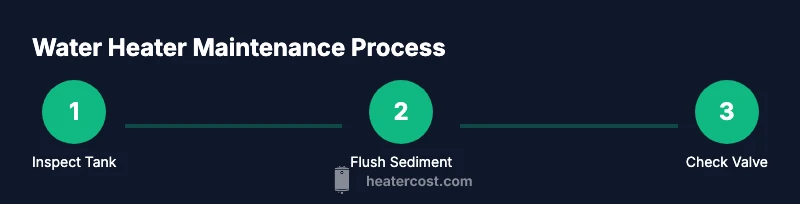
Regular maintenance preserves efficiency and extends the life of your unit. Annually flush the tank to remove sediment that can reduce efficiency and heat transfer. Inspect the anode rod on storage tanks for corrosion and replace it as needed to protect the interior. Check the T&P (temperature and pressure) relief valve for proper operation—lift the test lever to ensure it releases water when pressed. Inspect insulation, venting (for gas models), and connections for leaks. A simple maintenance routine, done by homeowners with care, can prevent costly failures and keep your system running smoothly.
Troubleshooting Common Issues
No-hot-water symptoms often point to power, thermostat, or gas supply problems. Check breakers or fuses, verify the thermostat setting, and confirm the gas valve is open for gas heaters. If the water is too hot, reduce the thermostat setting and inspect for faulty thermostats or damaged heating elements. Odd noises usually indicate sediment buildup; flushing the tank or servicing components typically resolves this. Leaks near the heater require immediate attention—shut off power and water, then call a professional. If water is discolored or smells unusual, it can signal contamination or corrosion and warrants inspection.
Replacement and Upgrades: Planning for the Future
Most homes will eventually need replacement or an upgrade. When planning, consider the expected life of the current unit, the size of your household, and your annual energy costs. A more efficient model can lower ongoing bills, especially in colder climates or large families, but installation costs and compatibility with your existing plumbing must be weighed. If you’re upgrading, explore incentives, rebates, and tax credits that may apply to energy-efficient systems. A thoughtful plan helps you minimize downtime and maximize comfort, even if you’re balancing budgets and timelines.
Tools & Materials
- Screwdriver set (Phillips and flat-head)(To access service panels and screws)
- Adjustable wrench(For hose fittings and connections)
- Bucket(To catch drips during drainage)
- Garden hose(For draining or flushing the tank)
- Towels or rags(Cleanup and safety during work)
- Multimeter (optional)(Test electrical components if needed)
Steps
Estimated time: Total time: 40-60 minutes
- 1
Identify heater type and location
Locate your water heater and identify whether it is storage-tank or tankless, electric or gas. Check the model label for capacity and voltage. Understanding your unit helps you plan maintenance and adjustments safely.
Tip: Take a photo of the label for quick reference. - 2
Power off and isolate utilities
Before touching any components, shut off power at the breaker for electric units or close the gas valve for gas models. If you’re flushing, close the cold-water supply valve to prevent new water from entering the tank.
Tip: Verify power is off with a non-contact tester after switching. - 3
Check thermostat setting and adjust
Inspect the thermostat and set your target around 120°F (49°C) unless higher demand justifies a different setting. For tankless systems, verify flow-rate settings per manufacturer guidance.
Tip: Avoid temperatures higher than 130°F to reduce scald risk. - 4
Restore power and test hot water
Reopen the gas valve if applicable, and restore power. Run hot water from a nearby faucet for several minutes to observe temperature stability and confirm delivery.
Tip: If the water stays cold, recheck connections and consider a professional check. - 5
Inspect for leaks and insulate
Look for damp spots around fittings and the tank. If you find a leak, shut off power and water, and call a pro. Insulate exposed pipes to minimize heat loss and improve efficiency.
Tip: Use foam insulation sleeves on exposed pipes for best results. - 6
Schedule annual maintenance
Mark your calendar for a yearly flush, anode-rod inspection (for tanks), and vent and exhaust checks if you have a gas heater. Regular maintenance prevents expensive failures and maintains efficiency.
Tip: Keep a log of service dates and observed issues. - 7
Plan next upgrade or replacement
If your heater is approaching the end of its life, compare efficiency, capacity, and space needs to decide between upgrading to a more efficient tank or a tankless system.
Tip: Consult a professional for load calculations and code compliance.
Got Questions?
What temperature should my water heater be set to?
Most households find 120°F (49°C) to be a safe and efficient setting. Higher temps increase energy use and risk of scald injuries.
A common safe setting is 120 degrees Fahrenheit.
Is gas or electric cheaper to operate?
Costs vary with local energy prices and unit efficiency. In many homes, gas can be cheaper to operate, but efficiency and usage patterns matter.
Gas may be cheaper to operate depending on your area; efficiency matters.
How often should I flush a storage-tank water heater?
Flushing yearly is generally recommended to remove sediment, preserve efficiency, and extend the unit’s life.
Flushing once a year is common, but check your manual.
Can I install a water heater myself?
Installing a gas or electric water heater involves electrical, gas, and plumbing work. It is safest to hire a licensed installer to ensure code compliance and safety.
It's risky to install a water heater yourself; hire a licensed pro.
What are signs my water heater is failing?
Leaks, reduced hot water, inconsistent temperatures, noises, or rusty water are warning signs. Plan an inspection when these appear.
Watch for leaks, poor hot water, noises, or rusty water.
Is upgrading to a tankless heater worth it?
Tankless units can save space and may reduce energy use, but initial costs and installation requirements vary. Assess your hot-water needs first.
Tankless can save space and energy, but weigh upfront costs against usage.
How can I tell if my T&P valve is working?
Carefully lift the valve’s test lever; water should release and stop when you release. If nothing happens, call a pro.
Test the valve by lifting its lever; if it doesn’t release water, get it checked.
Should I insulate my pipes and tank?
Yes. Insulating pipes reduces heat loss and saves energy; insulation on older tanks also helps improve efficiency.
Insulate pipes to cut heat loss and save energy.
Watch Video
The Essentials
- Know your heater type and capacity
- Set a safe, efficient temperature
- Perform regular maintenance
- Address issues promptly or call a pro
- Plan replacement or upgrades for long-term savings