How to Tell When Your Water Heater Needs Replacement
Learn the signs your hot water heater may be failing—from age and leaks to efficiency loss. This Heater Cost guide explains how to assess replacement timing and approximate costs.


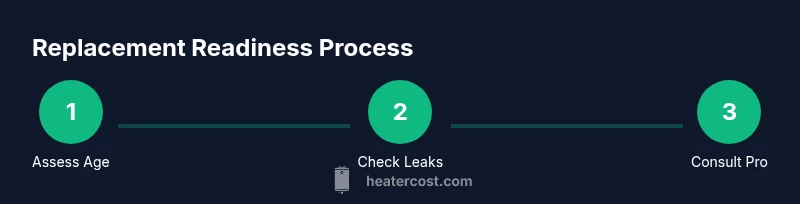
According to Heater Cost, you can tell if your hot water heater needs replacement by considering its age, leaks, and performance. Most tanks offer years of service, but signs like moisture, corrosion, inconsistent temperatures, or unusual noises indicate it’s time to evaluate a replacement. Proactive checks help you avoid cold water surprises and costly repairs.
Why It Matters: Understanding Your Water Heater's Timeline
According to Heater Cost, understanding the expected lifespan helps you plan ahead. A typical water heater provides reliable hot water for many years, but performance declines with age. Age isn't the only signal—leaks, corrosion, thermostat problems, and unusual noises are early clues you may need to replace the unit. Recognizing these signs early helps you avoid cold water surprises, costly emergency repairs, and energy waste. This guide focuses on how to tell when replacement is the smarter option and how to plan that transition with confidence.
Key Signs Your Water Heater Is Reaching End-of-Life
- Leaks or moisture around the base or tank indicate corrosion and a failing reservoir.
- Rust-colored or cloudy hot water suggests internal corrosion or sediment buildup.
- Inconsistent temperatures or long waits for hot water point to reduced efficiency and a shrinking comfort window.
- Strange noises (banging, rumbling) can come from mineral buildup or heating element issues.
- Frequent repairs or rising energy bills signal the system is no longer operating efficiently.
If you notice any of these, it is wise to start comparing options and budgeting for a replacement rather than waiting for a dramatic failure.
How to Assess Age, Leaks, and Performance
To assess, locate the unit’s model and installation date on the label. This helps estimate its age and expected remaining life. Inspect for dampness on the floor, visible leaks from valves, or water pooling near the tank. Test the pressure-relief valve cautiously: lift the tab briefly and observe for a steady leak; do not force it. Run a quick hot-water draw to check recovery time and consistency. All of these checks give you a clearer picture of whether maintenance can fix the issue or replacement is preferable.
Repair vs Replace: A Practical Decision Framework
When deciding between repair and replacement, weigh the frequency and cost of repairs against the age and efficiency of a new unit. If the heater constantly requires repairs, or replacement promises better reliability and efficiency, replacement is often the smarter choice. Consider fuel type (electric vs gas), space constraints, and future energy savings when evaluating options. A licensed professional can provide a formal assessment and quote, helping you avoid over‑ or under‑estimating the value of a new installation.
Cost Considerations and Financing Options
Costs for a replacement vary by unit type, capacity, and installation complexity, as well as regional labor rates. In addition to the purchase price, expect installation fees, venting requirements, and potential disposal costs. Financing options, rebates, and utility programs can help spread the expense, so it’s worth checking with your local utility and contractor. Even without exact numbers, you can compare ballpark ranges and seek written estimates to understand total cost and long-term savings.
Maintenance Tips to Extend Longevity
Even the best water heaters benefit from regular care. Schedule an annual drain-and-flush to remove sediment, especially in areas with hard water. Inspect and replace the anode rod as needed to slow tank corrosion, and keep the area around the unit dry and unobstructed. Check the T&P valve for proper operation and ensure thermostat settings are within manufacturer recommendations. Regular maintenance reduces the chance of sudden failure and extends usable life.
The Heater Cost Approach: Practical Next Steps
The Heater Cost team recommends proactive planning and a professional evaluation when you notice signs of aging. Start by gathering model information, service history, and recent energy bills to benchmark performance. Then request at least two written quotes for replacement and for major repairs, and compare the long-term value. This approach helps you choose comfort, reliability, and efficiency while protecting your home.
Tools & Materials
- Non-contact infrared thermometer(Check incoming water temperature and insulation performance)
- Flashlight(Inspect tank base and connections for leaks)
- Bucket(Catch drips when testing valves)
- Adjustable wrench(Loosen/adjust valves safely)
- Screwdriver set(Open access panels if present)
- Rags or towels(Clean up spills and wipe moisture)
- Protective gloves(Safety when handling hot components)
Steps
Estimated time: 2-6 hours
- 1
Gather unit details and location
Clear the area, turn off power or gas as appropriate, and locate the model label and installation date. Write down the serial, model, and date so you can compare with expected lifespans and get accurate quotes.
Tip: This establishes the baseline for replacement vs repair. - 2
Inspect for visible leaks
Carefully examine the base and drain valves for moisture or pooling water. Use a flashlight to spot dampness that may signal a slow leak.
Tip: If you see active leakage, plan for a professional assessment before any DIY testing. - 3
Test temperature and recovery
Run hot water at a faucet and record the time to reach full temperature and how quickly it recovers. Note any cold bursts that interrupt hot-water supply.
Tip: Erratic recovery often means aging elements or sediment buildup. - 4
Check the pressure-relief valve
Carefully lift the test lever to see if water escapes and that the valve shuts properly afterward. Do not stand directly in line with the valve in case of release.
Tip: A leaky or stuck valve is a sign of potential failure and should be evaluated by a pro. - 5
Evaluate energy bills and efficiency
Compare current energy usage with prior periods to assess if the heater’s efficiency is declining. Higher bills with similar usage often reflect reduced efficiency.
Tip: Energy savings from a modern unit can offset replacement costs over time. - 6
Decide on repair vs replacement
If repairs are frequent or the unit is near the end of its expected life, replacement is usually the better long-term choice. Factor in fuel type, space, and future energy costs.
Tip: Consult a licensed pro for a formal recommendation and quotes.
Got Questions?
What is the typical lifespan of a water heater?
Most residential tanks provide reliable hot water for about a decade with proper maintenance. Age, usage, and water quality affect longevity.
Most tanks last about a decade with proper care. Age and usage matter.
Should I replace my water heater before it leaks?
Yes—if you notice signs like leaks, rust, or temperature instability, planning a replacement is safer and often more cost-effective than waiting for a dramatic failure.
If you notice signs, plan a replacement rather than waiting for a leak.
What factors influence replacement cost?
Replacement cost depends on unit type (electric vs gas), size, installation complexity, venting, and whether new code requirements apply.
Cost depends on unit type, size, and installation complexity.
Is it safe to install a new water heater myself?
Gas and electric units involve fire, gas, and electrical hazards. A licensed professional should perform installation to ensure safety and code compliance.
It’s risky—have a pro install it to stay safe and code-compliant.
How can I finance a replacement?
Look for manufacturer rebates, utility incentives, and contractor financing options. Request written estimates to compare total costs and savings.
Check rebates and financing options; get written estimates.
What maintenance helps extend life?
Regular draining to remove sediment, inspecting the relief valve, and keeping the area dry can slow wear and extend usable life.
Drain periodically and check safety valves to extend life.
Watch Video
The Essentials
- Look for age, leaks, and temperature issues to signal replacement
- Assess repair frequency vs. unit age for decision
- Consider energy efficiency and long-term costs
- Consult a licensed professional for final quotes and installation