How to Remove Sediment from a Water Heater: Step-by-Step Guide
Learn how to safely remove sediment from your water heater with a practical flush. This guide covers tools, steps, maintenance tips, and safety to extend heater life and improve efficiency.


To remove sediment from a water heater, you flush the tank and drain the heater using a hose and drain valve, then refill and restore power. You'll need a bucket, towels, pliers or a wrench, and safety gear. This quick guide covers a safe, practical flush for most homes and helps you avoid common mistakes.
What sediment is and why it accumulates in water heaters
Sediment is a blanket of mineral scale and debris that settles at the bottom of the tank. In hard water areas, minerals like calcium and magnesium ride along with the water and precipitate as the water heats. Over time, this sediment compresses into a slimy layer that insulates the heating element, reducing heat transfer and lowering efficiency. According to Heater Cost, regular flushing can restore efficiency and extend the life of your unit by flushing out the mineral deposits before they cause corrosion or leaks. A flush also reduces the risk of sudden water heater failures on cold mornings when demand spikes.
Sediment may appear as cloudy water, a change in water temperature, or louder banging sounds from the tank. In most homes, a basic annual or semi-annual flush is sufficient, but frequency depends on water hardness and usage. If you have a tank with an anode rod, you may notice the sediment mixed with rusty water after long periods without flushing. Understanding the buildup helps you schedule maintenance with confidence.
Safety and prep steps
Working around a hot water heater involves both electrical and thermal risks. Before you touch any valve, power must be shut off on electric units, and gas controls should be set to OFF or PILOT for gas heaters. Allow the tank to cool to a safe temperature before handling. Wear sturdy gloves and eye protection, keep towels handy for spills, and ensure pets and children are clear from the work area. If you smell gas or hear an unusual hissing sound, stop immediately and contact a professional. The Heater Cost Team emphasizes planning and safety as the foundation of a successful flush.
What you’ll need before starting
Gather the essential items so you can work smoothly without interruptions. You’ll typically need a bucket large enough to hold the incoming wastewater, a garden hose to fit the drain valve, an adjustable wrench or pliers, and plenty of towels. Have safety gloves and goggles on hand, plus a flashlight if your workspace is dim. Having everything ready minimizes the risk of leaving valves open or water spilling onto the floor, which makes the process safer and cleaner.
The flush process explained
A proper sediment flush moves mineral buildup out of the tank by draining water through the drain valve and hose. The process empties the bottom of the tank, carrying loosened sediment away with the stream of water. Flushing works best when you refill gradually as you drain, so you can observe when the water runs clear. While many homes use a standard tank flush, some units (like certain tankless models) require different approaches. Always start with the manufacturer’s instructions and use the drain valve conservatively to avoid splashing or damaging fittings.
Aftercare and maintenance tips
After the flush, allow the tank to fill completely before restoring power or gas. Open the cold-water supply gradually and bleed any air by opening a hot-water tap until water flows steadily. Check all connections for leaks and wipe away any spills. Consider scheduling annual or semi-annual flushes based on water hardness and household demand. Keeping a simple maintenance log helps you track when the last flush occurred and plan future service.
Common mistakes and how to avoid them
Common mistakes include rushing the flush, failing to shut off power, overfilling the drain with too much pressure, and not allowing the tank to cool. Always verify power is off before starting, and never work with a hot tank. Avoid using force to loosen a stuck drain valve—this can cause leaks or valve damage. If the sediment is stubborn or you notice persistent leaks, consult a professional rather than forcing fittings.
Tools & Materials
- Bucket (5-7 gallons)(To catch wastewater and prevent spills)
- Garden hose(Attach to drain valve; route to bucket or floor drain)
- Adjustable wrench or pliers(For loosening or tightening drain valve or hose bib)
- Towels or rags(Catch drips and protect floors)
- Safety gloves(Protect hands from hot water and sharp edges)
- Safety glasses(Shield eyes from splashes)
- Flashlight(Improve visibility in dim basements)
Steps
Estimated time: 45-60 minutes
- 1
Turn off power and gas
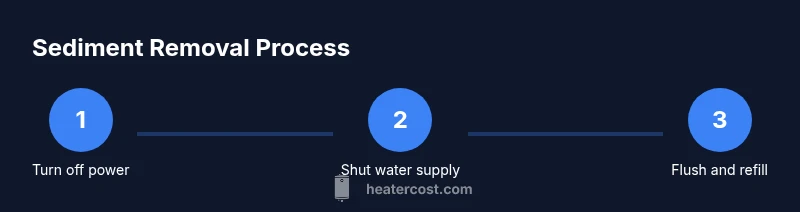
Electric water heaters: switch the breaker to OFF. Gas heaters: set the control to OFF or PILOT. Allow the unit to cool for safety. This prevents electrical shock and accidental heating during the flush.
Tip: Double-check that the power is truly off at the breaker box. - 2
Shut off the cold-water supply
Close the cold-water shutoff valve to stop new water from entering the tank. Open a hot-water faucet to relieve pressure and vent air from the system as the tank begins to drain.
Tip: Relieving pressure minimizes splashing and reduces the chance of scalding. - 3
Attach the drain hose
Connect a garden hose to the tank’s drain valve and place the other end in a bucket or floor drain. Ensure the connection is secure to prevent leaks when draining.
Tip: Keep the hose low and aimed to avoid water damage. - 4
Open the drain valve and begin flushing
Open the drain valve slowly. Water will drain hot mineral-laden water first; allow the tank to flush until the flow is clear of visible sediment.
Tip: If drainage slows, verify the valve isn’t partially closed or kinked hose. - 5
Refill the tank slowly
With the drain valve still open, gradually open the cold-water supply to refill the tank while watching for clear water exiting the drain line. This helps flush remaining sediment and air pockets.
Tip: Bleed air by opening a hot-water tap slightly until steady water flow resumes. - 6
Close the drain and remove the hose
Once the tank is refilling and water runs clear, close the drain valve and detach the hose. Keep the cold-water supply to finish filling the tank.
Tip: Recheck hose connections for any leaks before moving to the next step. - 7
Restore power or gas and test
Electric heaters: flip the breaker to ON. Gas heaters: revert the control to ON. Run hot water from a faucet to ensure normal operation and observe for leaks around valves and fittings.
Tip: If you hear unusual noises or smell gas, stop and call a professional. - 8
Final check and maintenance log
Look for drips around the drain valve or fittings and ensure all connections are dry. Note the date of flushing in a maintenance log for future reference.
Tip: Keeping a simple log helps plan future maintenance around your water hardness and usage.
Got Questions?
What is sediment and why does it accumulate in a water heater?
Sediment consists of minerals and debris that settle at the tank bottom as water heats. Regular flushing helps remove this buildup, maintaining efficiency and reducing the risk of leaks.
Sediment is mineral debris that accumulates at the bottom of the tank; flushing helps keep your heater efficient.
Is flushing a gas water heater safe?
Flushing a gas water heater can be safe when you follow proper steps: shut off gas, power, and allow cooling before starting. If you’re unsure, consult a professional.
Yes, but only if you shut off gas and power and follow safety steps. When in doubt, call a pro.
How often should I flush my water heater?
Flushing frequency depends on water hardness and usage. Hard water may require more frequent maintenance to keep efficiency high.
Frequency depends on how hard your water is and how much you use hot water.
What should I do if I see rusty water?
Rusty water can indicate corrosion or sediment mixing with rust. Stop flushing, inspect the anode rod, and consult a professional if leaks or corrosion continue.
Rusty water may mean corrosion; stop and inspect the anode rod, then call a pro if needed.
Can I flush a tankless water heater the same way?
Tankless systems use different maintenance procedures. Always consult the manual or a qualified plumber for tankless flushing.
Tankless units need different steps; check the manual or call a pro.
Watch Video
The Essentials
- Power and water supply must be safely shut off before starting
- Attach hose, drain, and flush until water runs clear
- Refill slowly and check for leaks after flushing
- Document flush date for maintenance planning