How to Empty a Water Heater: A Practical Step-by-Step Guide
Learn how to safely drain and flush your water heater to reduce sediment buildup, improve efficiency, and extend its life. This 1800-word guide covers prep, exact steps, safety checks, and maintenance tips for homeowners, renters, and property managers.


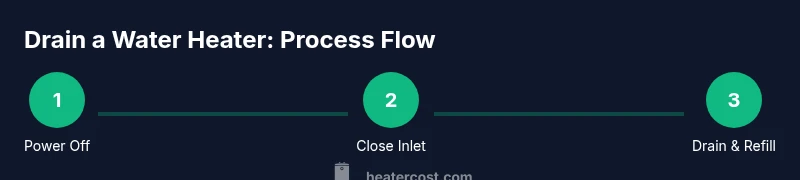
To safely drain a residential water heater, learn how to empty a water heater: shut off power or gas, close the cold-water supply, connect a hose to the drain valve, and open it to drain into a floor drain or outdoors. Drain until the tank runs clear, then refill and restore power. This process reduces sediment and extends life.
Why sediment buildup matters and the benefits of draining\n\nSediment in a water heater is heavier than hot water and settles at the bottom of the tank. Over time, mineral deposits from your water supply accumulate, creating a stubborn layer that can insulate the heating element and reduce efficiency. Draining the tank periodically removes that sediment, restores burner or heating element efficiency, and can lower energy costs over the long run. According to Heater Cost, regular flushing is a simple maintenance task that homeowners can perform with basic tools. By removing sediment, you may notice hotter water at lower temperatures and a longer tank life, especially in homes with hard water. This practice is a cornerstone of maintenance-longevity strategies and aligns with Heater Cost analyses for common residential systems.
Before you start: safety basics and planning\n\n draining a water heater involves working with hot water, pressure, and electrical or gas systems. Before you begin, ensure you have enough space to drain water without causing damage or slipping hazards. Wear safety gloves and glasses, and never bypass safety devices. If you smell gas or suspect a gas line issue, evacuate and call emergency services. The goal is a controlled, gradual drainage, not a rushed release. Following prudent steps protects your home and reduces repair costs over time, a key emphasis in Heater Cost guidance.
What you’ll need before you begin\n\n- Garden hose (5-8 ft) with a secure connection to the drain valve\n- Bucket or basin (optional for small volumes)\n- Adjustable wrench or channel-lock pliers\n- Rubber gloves and safety glasses\n- Towels or rags for clean-up\n- Flashlight (if working in a dark utility space)\n- Basic tools for reassembly (if you need to tighten fittings)\n\nKeep a plan for where the water will drain: a floor drain, a concrete exterior area, or a large utility sink. Having everything ready prevents delays and reduces the chance of accidental scalding or spills. This preparation is part of a successful maintenance routine recommended by Heater Cost.
Step 1 — Power off and let the tank cool\n\n1) Locate the power switch or the gas control valve and turn the heater off. For electric heaters, switch off at the circuit breaker labeled for the water heater. For gas heaters, set the thermostat to the pilot or the off position. Wait until the tank has cooled to a safe handling temperature—ideally below 120°F (49°C). This reduces the risk of scalding and protects you while you work. If you recently used hot water, wait 15-30 minutes; hot water can cause severe burns. The Heater Cost team notes that waiting for cooling is a critical safety step in home maintenance.
Step 2 — Close the cold-water inlet and prepare the drainage area\n\n2) Shut off the cold-water supply valve that feeds the tank. This prevents new hot water from entering as you drain. Open a hot water tap nearby to vent air from the system, which will speed drainage. Place towels under the drain area and ensure the discharge path is clear of people, pets, and electrical components. If the discharge is planning to go into a drain, make sure the area can accept continuous flow without overflowing. Proper venting and a prepared discharge area are essential to avoid pressure buildup and splashing.
Step 3 — Attach the hose and open the drain valve\n\n3) Attach a garden hose to the outdoor drain or floor drain fitting on the water heater. Run the hose to your chosen drainage location. Use the adjustable wrench if you need to loosen the drain valve; do not force it if it’s stiff. Open the drain valve slowly to start the flow. If you hear air hissing or see air bubbles, continue opening gradually to maintain a steady flow. A controlled release reduces the chance of splashing and helps you monitor sediment discharge. This step is often the most hands-on part of the process.
Step 4 — Flush the tank and inspect sediment\n\n4) Allow the tank to drain completely. If you see dirty or sandy water, you can briefly flush by briefly closing and reopening the valve or opening the drain valve in short bursts. For a deeper flush, close the valve, wait a minute, and reopen to continue. This helps wash out remaining sediment. Once the water runs clear, you’ve removed the bulk of the sediment. The Heater Cost approach emphasizes repeating the flush if the water remains turbid after the first pass.
Step 5 — Refill, vent air, and restore power\n\n5) Close the drain valve and remove the hose. Slowly turn on the cold-water supply to refill the tank. Keep a hot-water tap open until you hear the water flowing steadily, which indicates air has been purged. Once the tank is full, turn the power back on at the breaker (electric) or re-light the pilot and set the thermostat (gas). Check for leaks around the drain valve and fittings. Restore hot water to your home and test several taps to confirm normal operation. Regularly flushing after filling helps ensure all air pockets are cleared.
Common mistakes and troubleshooting\n\n- Draining when the tank is hot can cause scalding and warped components. Always wait for cooling.\n- Forcing a stuck drain valve can damage threads or the valve. Use a gentle inch-by-inch approach with a wrench.\n- Draining into an unsuitable area (like a standing puddle near electrical outlets) poses serious risks. Always route water to a safe drain.\n- Forgetting to vent air or to refill the tank completely can damage heaters. Take the time to verify water level and power connections after filling. We cover these pitfalls in depth in Heater Cost resources.
Aftercare and maintenance reminders\n\n- Schedule annual or semi-annual drain-and-flush routines, especially in hard-water regions.\n- Consider installing a sediment filter or water-softening system if sediment buildup is rapid.\n- Periodically inspect the pressure relief valve and its discharge pipe for signs of wear or leakage.\n- Keep a log of drain dates and any water-quality observations to inform future maintenance decisions. Regular maintenance contributes to long-term efficiency and durability, a core principle echoed by Heater Cost.
Tools & Materials
- Garden hose (5-8 ft) with secure connection(Length should reach a safe drainage area; ensure connector fits the drain valve)
- Bucket or basin(Use if drainage location is not close to a drain or to catch some overflow)
- Adjustable wrench or pliers(Loosen a stiff drain valve without stripping fittings)
- Rubber gloves(Protect hands from hot water and sediment)
- Safety glasses(Shield eyes from splashes)
- Towels or rags(Contain drips and keep the work area clean)
- Flashlight(Improve visibility in tight spaces)
- Sealant tape or replacement fittings (optional)(Use if you notice leaks at fittings after reassembly)
Steps
Estimated time: 60-90 minutes
- 1
Power off and cool down
Turn off power at the breaker for electric models or set the gas control to off for gas models. Wait for the tank to cool to safe handling temperatures (ideally below 120°F/49°C). This prevents scalding and protects electrical components.
Tip: If you recently used hot water, wait a bit longer and test the surface with the back of your hand before touching. - 2
Close the cold-water inlet and vent air
Shut the cold-water inlet valve firmly. Open a hot-water faucet somewhere in the house to vent air and speed drainage. Place towels to catch drips and keep the area clean.
Tip: Venting air prevents a vacuum that can slow drainage and cause pressure spikes. - 3
Attach hose and open drain
Attach the garden hose to the drain valve and route it to a safe drain. Use a wrench if needed to loosen the valve gently. Open the drain valve slowly and monitor the flow for consistency.
Tip: Don’t rush the opening; a sudden burst can cause splashing and spills. - 4
Flush and inspect sediment
Let the tank drain fully. If water is dirty, briefly flush by closing and reopening the valve in short bursts. Repeat until the water runs clear.
Tip: A clear discharge indicates most sediment has been removed; persistent turbidity may require additional passes. - 5
Refill, purge air, and restore power
Close the drain and remove the hose. Refill slowly by opening the cold-water valve while a hot-water tap is open to vent air. When the tank is full, restore power or relight the burner and check for leaks.
Tip: After filling, run several hot taps to ensure air has been purged completely.
Got Questions?
How often should I flush or drain my water heater?
Most homes benefit from flushing annually; in hard water areas or if you notice sediment, consider twice a year. Regular maintenance helps preserve efficiency and prolongs the unit’s life.
Most homes should flush once a year; if you have hard water or see sediment, do it twice yearly.
Can I drain an electric water heater?
Yes. The process is similar to gas units: switch off power at the breaker, then follow the drain steps. Do not bypass electrical safety features and confirm power is off before touching components.
Yes, turn off power at the breaker and follow the steps like you would for a gas heater.
What if the drain valve is stuck or won’t open?
Shut off the water supply and power, then try a careful, gentle twist with a wrench. If it remains stuck, do not force it; contact a licensed plumber to avoid damaging fittings or creating a leak.
Shut everything off and call a professional if the valve won’t budge.
Should I drain to the bottom or flush only partially?
Drain fully when possible, then flush out remaining sediment by briefly closing and reopening the valve in bursts. This ensures the tank is as clean as possible.
Drain completely and flush out sediment in bursts until clear.
Can I drain water heater discharge outside?
Yes, but direct the discharge to a safe area away from foundations, electrical outlets, and plants. If running indoors, use a floor drain or basin to avoid water damage.
Yes, just drain to a safe outdoor area or a floor drain indoors.
What if the pressure relief valve leaks after draining?
A leaking relief valve signals a problem with pressure or valve integrity. Do not cap the vent; contact a professional to inspect, as this is a safety-critical component.
Leaking relief valve needs professional inspection; don’t attempt a DIY fix.
Is it necessary to re-tighten fittings after refilling?
Yes, check all connections for leaks after filling and powering on. Tighten any loose fittings carefully, avoiding overtightening which can damage threads.
Yes—check and tighten fittings if you detect leaks after refilling.
Watch Video
The Essentials
- Shut off power or gas before draining.
- Drain until water runs clear to remove sediment.
- Refill, vent air, and restore energy source before use.
- Regular maintenance reduces sediment and extends heater life.