How to Change Out a Water Heater: Step-by-Step 2026
A comprehensive, safe guide to replacing a water heater, covering planning, permits, installation, testing, and maintenance. Learn when DIY is appropriate and when to hire a pro.


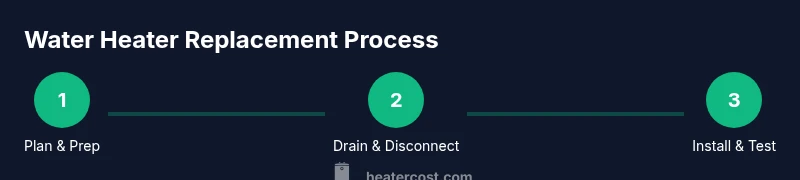
This guide explains how to change out a water heater safely, from planning and permit checks to installation, testing, and startup. You’ll learn how to choose the right replacement, drain the old tank, disconnect utilities, mount the new unit, and verify safety. Always verify local permits and codes before starting; plan for a few hours of work and a potential inspection.
Planning and prerequisites
According to Heater Cost, a well-planned replacement reduces downtime, avoids code violations, and helps you budget accurately. Start by identifying your heater type (gas, electric, or tankless) and verify space clearance, fuel supply, venting, and connections. Take measurements of the existing mounting location, pipe sizes, and electrical service. Review the unit’s nameplate for capacity and inlet/outlet locations. Check your local code authority for permit requirements and inspection milestones before purchasing. A typical replacement takes 2-4 hours for a straightforward install, but longer jobs are common when venting, gas lines, or electrical work are involved. Create a step-by-step checklist that groups tasks by de-energizing safety risks, disconnecting utilities, and preparing the space for the new unit. If you’re replacing an older model, consider upgrading to a higher efficiency tank or tankless option if space and budget allow. Finally, prepare your workspace with a drain pan, towels, a bucket, and protective gear to minimize water damage and personal injury.
Safety and permits required
Safety should drive every step of how to change out a water heater. Power down the circuit at the service panel and lockout, then shut off the gas supply using the valve, if applicable. For electric heaters, ensure the disconnect switch is off and test with a multimeter. Turn off the cold water supply and relieve pressure. If you live in a jurisdiction that requires permits, apply before you begin and arrange for an inspection after installation. Read the manufacturer's safety warnings and follow the venting guidelines to avoid carbon monoxide risk in gas models. Finally, wear protective gloves, eye protection, and non-slip shoes. Keep children and pets away. A clear workspace reduces trip hazards and helps you stay organized during the install.
Tools and materials you’ll need
Before you start, gather the essential tools and materials to minimize trips back to the shop. Keep a bucket handy for draining, towels for spills, and a drain pan under the unit. You’ll want adjustable wrenches, pipe wrenches, screwdrivers, a pipe cutter, Teflon tape, pipe dope or thread sealant (gas-rated if required), a multimeter, some length of flexible connectors, and a new expansion tank or relief valve if your system requires it. If you’re replacing a gas heater, a gas leak detector and proper venting materials are important. Organization matters: group items by task (disconnect, drain, install) so you don’t lose small parts in the chaos.
Choosing the right replacement unit
Select a model that matches or exceeds your current capacity and aligns with your energy goals. For gas models, ensure proper venting and flu compatibility; for electric models, verify service panel capacity and conduit compatibility. Look for high-efficiency ratings, adequate first-hour rating (FHR) for your family’s hot water needs, and compatible inlet/outlet positions. If space allows, consider a model with a slightly higher recovery rate and a properly sized expansion tank. Don’t forget about future maintenance needs and warranty terms. A well-chosen unit reduces energy use and potential call-backs for repairs.
Draining and disconnecting the old heater
Begin by turning off both power and fuel supply, then shut off the cold water supply to the tank. Open a hot water faucet to vent pressure and speed up drainage. Place a bucket under the drain valve and fully drain the tank before disconnecting the water and gas lines. Loosen fittings gradually to avoid twisting or breaking pipes. Use towels to catch any residual water and protect floors. Keep track of which connections came from which side for easier reassembly on the new unit.
Removing the old tank and installing the new one
Carefully disconnect all lines, venting components, and mounting hardware. If the unit is heavy, recruit a helper or use a hydraulic jack or straps to move it. Install the new unit in the same location, align flanges, and secure it to the wall studs or mounting surface. Reattach the inlet and outlet pipes with proper threading and sealant; install the expansion tank, safety valve, and drain assembly as required by code. Reconnect venting (for gas models) or electrical connections (for electric models). Double-check that all connections are snug and appropriately supported.
Venting, gas lines, and electrical connections
Gas water heater venting must comply with local code requirements; ensure clearance from combustibles and proper termination. For gas lines, use gas-rated sealant and ensure correct sizing to prevent pressure drops. For electric units, verify that the circuit breaker capacity and wire gauge match the heater’s requirements. Use a voltage tester to confirm a de-energized circuit before touching wires. Proper venting, gas line integrity, and correct electrical connections are essential for safe operation and code compliance.
Testing, filling, and initial startup
With the new unit in place, slowly open the cold-water valve to fill the tank while watching for leaks at every joint. Once filled, purge air by running hot water at a nearby faucet until a steady flow is achieved. Restore power and turn on the gas supply or connect the electrical supply, then light the pilot or start the heating cycle as per the manufacturer’s instructions. Check for leaks, test the pressure relief valve, and confirm the system maintains the set temperature. Finally, confirm the unit operates quietly and safely.
Maintenance tips to extend lifespan and safety checks
Schedule annual to semi-annual inspections to keep your water heater running efficiently. Flush the tank at least once a year to remove sediment and reduce mineral buildup; inspect the expansion tank and pressure relief valve for proper operation. Check for unusual noises, leaking fittings, or signs of corrosion. Maintain clearances around the unit so service technicians can reach it easily. Document maintenance dates and any replacements for warranty purposes. A proactive maintenance routine helps maximize safety and long-term performance.
Tools & Materials
- Safety gloves(Leather or rubber, snug fit)
- Safety goggles(Protect eyes from splashes)
- Adjustable wrenches (6-12 in)(For plumbing fittings)
- Pipe wrench (10-14 in)(Useful for large nuts)
- Pipe cutter or hacksaw(For cutting copper/PEX)
- Teflon tape (PTFE)(For threaded connections)
- Thread sealant (gas-rated)(Follow manufacturer guidelines)
- Multimeter(Verify power state)
- Drain pan and towels(Catch drips and protect floor)
- Bucket(Catch water during draining)
- Expansion tank (if needed)(Match system specs)
- Vent kit and piping (gas models)(Ensure proper venting)
- Gas sniffer (optional)(Detect leaks after installation)
Steps
Estimated time: 2-4 hours
- 1
Plan and confirm permit needs
Review local codes and permit requirements before purchasing a replacement. Create a task list that separates safety checks, utility disconnections, and space preparations. Confirm whether a professional inspection is required after installation and document any code-specific steps.
Tip: Check with your local building department early to avoid rework. - 2
Shut off power, gas, and water
Switch off electrical power at the breaker and, for gas models, close the gas valve. Shut off the cold water supply to the tank and relieve pressure by opening a hot water tap. This prevents accidental shocks and water spray during disassembly.
Tip: Lock out and tag the breaker if you have helpers. - 3
Drain the heater and disconnect utilities
Open the drain valve and collect water in a bucket. Disconnect water lines, fuel lines, and vent connections as applicable. Remove pressure gradually to avoid splashing and damage.
Tip: Have towels ready to absorb residual water. - 4
Remove the old unit
Carefully detach all lines and brackets. If heavy, get assistance or use a dolly. Move the old heater away from the wall once free to prevent damage to surrounding structures.
Tip: Take photos of existing connections for reference. - 5
Install the new unit and reconnect utilities
Position the new heater, secure it, and reattach inlet/outlet pipes with proper sealant or Teflon tape. Reinstall venting for gas models and reconnect electrical wiring for electric models. Ensure the mounting is solid and level.
Tip: Do not overtighten connections; use moderate torque. - 6
Fill, purge air, and test
Slowly fill the tank with cold water, opening hot taps to purge air. Restore power or gas, then verify the unit lights and heats. Check all joints for leaks and ensure venting is clear.
Tip: Run hot water to detect air pockets early. - 7
Safety checks and initial startup
Confirm gas leaks with a detector or soapy solution, verify electrical continuity, and set the thermostat to a safe temperature. Listen for abnormal noises or smells during the first operation.
Tip: Keep a nearby extinguisher accessible during startup. - 8
Cleanup and documentation
Clean the work area, dispose of the old unit per local rules, and update maintenance records. Store manuals and warranty information for future reference.
Tip: Photograph the final setup for warranty proof. - 9
Final verification
Confirm the unit maintains proper pressure and temperature, inspect for leaks, and ensure the area remains dry. Schedule a follow-up inspection if required by code.
Tip: Set reminders for regular maintenance.
Got Questions?
Do I need a permit to replace a water heater?
Permits vary by location; check local building codes and HOA rules. When in doubt, contact your city or county building department.
Permits vary by location; check local codes and your local building department.
Can I replace my water heater myself, or should I hire a pro?
DIY is possible for simple electric replacements with proper instructions, but gas models typically require professional installation and adherence to safety codes.
DIY can work for electric units, but gas models usually need a pro.
What factors influence the cost of replacing a water heater?
Costs vary by unit type, capacity, and installation complexity. Labor rates, permits, and new fittings can affect total cost.
Costs depend on unit type and installation complexity.
What maintenance should I perform after replacement?
Flush the tank yearly, inspect the relief valve, check for leaks, and ensure proper venting and connections.
Flush yearly and check for leaks after installation.
What safety checks are essential after installation?
Verify no gas leaks, ensure electrical connections are secure, and test the thermostat and temperature settings.
Check for gas leaks and test the system thoroughly.
How long does a typical water heater installation take?
Most installations take a few hours, depending on plumbing and electrical work and whether venting is required.
Most installs take a few hours.
Watch Video
The Essentials
- Plan permits before you start.
- Shut off utilities and drain safely.
- Confirm proper connections and test thoroughly.
- Consider professional help for gas/electrical work.