Hot Water System Replacement: A Homeowner's Guide
Learn how to replace a hot water system safely and efficiently. This comprehensive guide covers planning, choosing between tanked and tankless, permits, installation, and maintenance for 2026.


This guide helps you replace a hot water system, from selecting the right unit to navigating permits and coordinating a safe installation. You’ll understand the major steps, typical timelines, and key safety considerations. For gas or complex electrical work, hire a licensed professional while you supervise and verify every stage.
Why replace your hot water system?
Hot water is a daily essential, and an aging system can waste energy, fail unexpectedly, or produce inconsistent temperatures. According to Heater Cost, older units often become less efficient and more prone to leaks, which drives up energy bills and the risk of water damage. Replacing a worn-out system with a modern, high-efficiency model can improve comfort, reduce ongoing maintenance, and lower long-term costs. In 2026, many homeowners find a newer system pays back through lower energy usage and more reliable hot water supply. This section outlines the signs that replacement is the right move, including frequent repairs, soaring bills, rust-colored water, or noisy operation.
- Energy efficiency losses accumulate over time
- Frequent repairs signal imminent failure
- Inconsistent temperatures frustrate daily routines
- Modern units can provide better hot water delivery and reliability
If you’re unsure, start with a professional assessment to balance costs with benefits and confirm whether replacement is the best option for your home.
Before you replace: planning and cost considerations
Planning is the most important step in a hot water system replacement. Start by documenting your current unit’s age, model, and last service date, and note any recurring issues. While exact prices aren’t posted here, expect costs to vary based on unit type (tank vs tankless), fuel source (gas vs electric), and installation complexity. Heater Cost analysis emphasizes that upfront planning reduces surprises later: determine space constraints, venting needs, and the capacity required for your household. Check local requirements for permits, scheduling windows, and waste disposal; some jurisdictions require a licensed installer for gas and electrical work. Budget for accessories like expansion tanks, pressure relief valves, and new piping if needed. Finally, obtain multiple quotes from licensed professionals to compare scope and warranties. A clear plan helps you select a system that matches your family’s water usage, climate, and energy goals while aligning with local codes.
Tanked vs tankless: choosing the right style for your home
The choice between a traditional tank unit and a tankless system is a cornerstone of the replacement decision. Tanked heaters store hot water, delivering easy reliability and straightforward maintenance, while tankless models heat on demand, offering higher energy efficiency and space savings. Consider your peak hot-water needs, family size, and climate when deciding. Tankless systems generally require more complex venting and can have higher upfront costs but may lower ongoing energy use. Tanked systems are often easier to install in existing spaces and can be less expensive upfront, with predictable performance. Heater Cost notes that the best option balances your daily usage, space, and long‑term energy costs, while local codes may influence venting and installation requirements.
Sizing, fuel type, and efficiency factors
Sizing a hot water system means matching capacity to household demand and ensuring the unit fits the installation space. An undersized unit will run constantly and fail to meet demand, while an oversized unit wastes energy. Use appliance sizing guidelines and consider peak usage for showers, laundry, and dishwashing. Fuel type (gas vs electric) affects installation complexity and ongoing costs. Gas systems typically require venting and gas line considerations, while electric units depend on circuit capacity and panel space. Efficiency ratings (e.g., energy factor or uniform energy factor) guide long-term savings; higher efficiency reduces running costs and heat losses. The right choice aligns with your home’s energy profile and local incentives.
Heater Cost emphasizes considering future needs, such as adding a recirculation pump or hybrid options, to tailor efficiency gains to your lifestyle.
Permits, safety, and hiring the right pro
Permits and safety considerations are critical for a compliant replacement. Gas appliances almost always require a licensed installer due to ventilation, gas piping, and combustion safety concerns. Electric units still require proper wiring and breaker capacity. Before work begins, verify that your contractor has active licenses and appropriate insurance, and ask for permits and inspection milestones. Homeowners should not bypass venting requirements or make unapproved fuel connections. Clear communication about the project scope, timelines, and warranties helps prevent disputes and ensures a safe, code-compliant installation. Heater Cost recommends documenting all inspections and keeping a copy of the installation manual for future maintenance.
The replacement workflow: what to expect
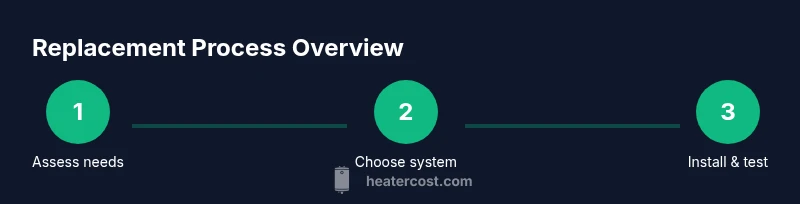
A typical replacement workflow includes: selecting a system, obtaining permits, preparing the installation area, safely disconnecting the old unit, installing the new system, connecting plumbing and electrical or gas supplies, testing for leaks, and commissioning the unit. The exact sequence may vary by unit type and home configuration. Expect a multi‑hour process for gas or complex electric setups, especially if venting or retrofits are needed. A well-planned project minimizes downtime and ensures reliable hot water after installation. The Heater Cost team reminds homeowners that staying engaged throughout the process helps verify that the new system matches the planned specifications and performance targets.
Post-installation care and maintenance
After installation, perform a thorough leak check on all connections and inspect venting paths for gas systems. Flush the tank (if applicable) and set the thermostat to a safe, energy-efficient temperature. Schedule a professional inspection if you notice lingering smells, noises, or leaks. Establish a regular maintenance routine: flush the tank annually (or per manufacturer guidance), inspect anode rods for wear, and check pressure relief valves. Proper maintenance extends efficiency and lifespan, reducing the likelihood of unexpected repairs. The Heater Cost team recommends keeping service records and warranties in a dedicated file for easy reference.
Common mistakes and cost considerations
Common mistakes include choosing too small a unit, misjudging installation clearances, neglecting venting needs, and skipping permits or inspections. Skipping professional installation can lead to safety hazards and future repair costs. When evaluating costs, weigh upfront prices against long‑term energy savings and reliability. Budget for accessories such as expansion tanks and new piping if required, and consider possible upgrades to improve overall home efficiency. Heater Cost encourages readers to plan for contingencies and prioritize safety and compliance over short-term savings.
Tools & Materials
- Gas shut-off tool or main valve key(Know location; do not proceed if you cannot access or secure power/gas safely)
- Adjustable wrench(2–6 inch range covers most connections)
- Pipe wrench(Essential for stubborn fittings and drain connections)
- Teflon tape / pipe dope(Use on threaded water and gas connections)
- Gas leak detector(Portable and reusable for post-install checks)
- Voltage tester / multimeter(Verify electrical power is isolated before work)
- Expansion tank (if required by code)(Check local code and system pressure)
- New hot water system (tank or tankless)(Size and type chosen based on needs and space)
- Vent piping and fittings(Required for gas systems; consult venting guidelines)
- Leak detection solution (soapy water)(Useful for quick leak tests after connections)
Steps
Estimated time: 6-12 hours
- 1
Assess current system and replacement need
Document age, model, and symptoms. Note leaks, corrosion, and temperature inconsistencies. This assessment informs unit sizing and whether to pursue a tanked or tankless option.
Tip: Write down all observed issues before starting to replace. - 2
Select type and size of new unit
Choose between tanked and tankless based on usage, space, and budget. Ensure the new unit’s capacity aligns with your peak hot-water demand.
Tip: Use a sizing chart or consult a pro to prevent over- or under-sizing. - 3
Check permits and hire a licensed pro
Confirm permit requirements with local authorities and hire a licensed installer for gas or electrical work. Obtain written estimates and warranties.
Tip: Ask for proof of license and insurance; verify before work begins. - 4
Shut off utilities and drain the old unit
Power off the unit, shut off water supply, and relieve pressure. Drain the tank into a safe container or drain line.
Tip: Keep a bucket handy for residual water; never work with pressurized lines exposed. - 5
Disconnect and remove old unit
Carefully disconnect water, gas/electric lines, and venting. Remove the old unit from the install space with proper lifting techniques.
Tip: Clear the area and use a helper for large/heavy units. - 6
Prepare installation location for new unit
Ensure a level base, adequate clearance, drainage, and ventilation as required by code. Position the new unit to minimize pipework and allow service access.
Tip: Check floor integrity and resistance to moisture in the area. - 7
Connect new unit: plumbing, gas/electric, and venting
Attach water lines with sealant, connect gas or electric supply, and install venting if required. Check that all connections are tight and properly sealed.
Tip: Use leak test solution on joints and verify vent slope direction. - 8
Test, purge air, set controls, and finalize
Restore power or gas, fill the tank, and purge air from lines. Set thermostat, inspect for leaks, and run hot water to confirm performance.
Tip: Document readings and adjust settings for energy efficiency.
Got Questions?
Do I need a permit to replace a hot water system?
Permit requirements vary by location, but many regions require permits for gas or electrical work. Always check with your local authority and obtain inspections as required. Working with a licensed installer helps ensure compliance and safety.
Permits vary by location, but you should check with local authorities and get inspections as required. A licensed installer can ensure you stay compliant and safe.
Can I upgrade from a tank to a tankless system during replacement?
Yes, upgrading to a tankless unit is common during replacement, but it often requires different venting and electrical or gas needs. Compatibility and cost should be evaluated with a pro.
Yes, you can upgrade to tankless, but check venting and electrical or gas requirements with a professional.
How long does installation typically take?
Installation duration depends on unit type and home configuration. Plan for a multi‑hour process for gas or complex electric work, and longer if venting retrofits are needed.
Installations usually take several hours, longer if venting or gas lines need changes.
What maintenance should I perform after installation?
Schedule a maintenance check annually, flush the tank as recommended, and inspect valves and connections for leaks. Keep a service log for warranties.
Check and flush annually, inspect for leaks, and keep service logs for warranty.
Is it safer to hire a professional for gas-powered heaters?
Gas installations involve combustion safety, venting, and leak risks. A licensed professional should perform gas work to ensure safety and code compliance.
Gas work should be done by a licensed pro to stay safe and compliant.
Are there incentives for upgrading energy efficiency?
There can be energy‑efficiency incentives or rebates depending on your location and equipment. Check local utility programs and federal or state incentives for eligible upgrades.
There may be rebates or incentives; check local programs for details.
The Essentials
- Assess current system to determine replacement need
- Choose tanked or tankless based on usage and space
- Secure permits and hire a licensed pro for safety
- Test thoroughly and maintain after installation