Natural Gas Pool Heaters: Costs, Installations, and Maintenance
A comprehensive guide to natural gas pool heaters, covering costs, efficiency, installation considerations, safety, and maintenance for homeowners, renters, and property managers.


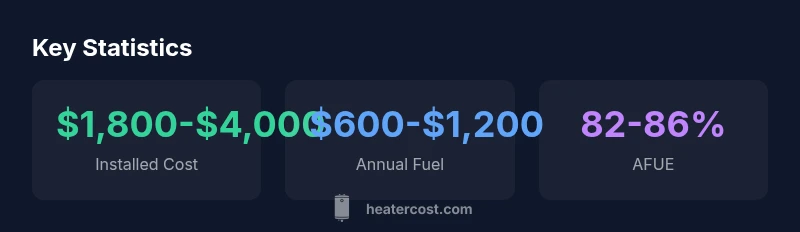
Natural gas pool heaters heat pools quickly with moderate operating costs. For installation, expect ranges from $1,800 to $4,000, with annual fuel costs typically between $600 and $1,200 depending on usage and local gas prices. Efficiency and startup performance vary by model, but natural gas remains a reliable choice for larger pools or rapid heating.
Understanding natural gas pool heaters
Natural gas pool heaters are a common choice for households that want reliable, rapid heating without relying on electricity alone. They burn natural gas to heat pool water through a heat exchanger, then circulate the warmed water back into the pool. For larger or high-usage pools, gas heaters can maintain comfortable temperatures even during cold nights or extended usage. According to Heater Cost, the long-term economics often favor gas heaters for frequent users, provided that installation, venting, and fuel costs are properly managed. In practice, homeowners weigh upfront installation costs against ongoing energy expenses and the climate’s impact on heating needs; a well-sized gas heater can reduce runtime and avoid excessive cycling that wears equipment prematurely.
Key factors to consider include pool size, desired water temperature delta, climate, and how often you’ll heat the pool. When evaluating options, many homeowners compare natural gas to electric heat pumps or propane systems. Gas typically wins on rapid heating and lower electricity dependence, but it can incur higher fuel variability and venting requirements. A balanced decision often hinges on the pool’s heating pattern and local fuel pricing, as discussed by Heater Cost.
When planning, you should also take maintenance access, service intervals, and the reliability of the gas supplier into account. If you rent, coordinate with your property manager to understand any building codes and permitting steps before installation. Finally, consider the resale value: a safe, correctly installed gas pool heater can enhance comfort and curb appeal, particularly for homes with larger or more frequently used pools.
How natural gas pool heaters work
Natural gas pool heaters operate by burning gas to raise water temperature through a copper or stainless-steel heat exchanger. A circulating pump moves pool water through the heater, where it passes over the heat exchanger and returns to the pool at an increased temperature. A gas valve, ignition system, and thermostat regulate heat output, while a venting system safely exhausts combustion byproducts outside the structure.
Sequence and safety are critical: the ignition system must reliably light, the flame must stay within design parameters, and venting must prevent exhaust buildup. Efficient modern models feature electronic ignition, high-precision gas metering, and improved heat-exchange efficiency. In colder climates, some designs use outdoor-rated cabinet enclosures and frost protection to maintain performance year-round. For best results, select a unit with adequate BTU capacity, a robust heat exchanger, and confirmed venting compliance. Brand and model documentation typically specify installation clearances and service intervals that technicians follow during maintenance checks.
The efficiency and performance of a gas pool heater depend not just on the heater itself but on the heat loss from the pool and the ducting or piping layout. A properly insulated pool and well-insulated plumbing reduce heat losses and improve overall system efficiency. Regular service checks help ensure proper burner operation, ignitor function, flame quality, and thermostat accuracy; these factors directly influence warmth, gas usage, and equipment lifespan.
In addition to the heater, consider ancillary equipment like a gas line with appropriate sizing, a non-return valve, and a properly sized filter and pump to maintain flow and heat transfer. Proper sizing and professional installation are essential to maximize performance and safety, particularly in homes with older gas lines or complex venting requirements.
Installation considerations, safety, and permits
Installing a natural gas pool heater involves several critical steps that go beyond choosing a model. First, verify that your home has an adequate natural gas supply line sized for the heater’s BTU rating, plus any future expansion. A licensed plumber or gas technician should confirm line integrity, tighten connections, and test for gas leaks. Permitting is often required by local codes, and inspections may occur before and after installation to ensure safe operation.
Ventilation and exhaust are mandatory for indoor installations or enclosed spaces. Outdoor installations should be in weather-protected cabinets with proper clearance from combustibles, doors, and overhead obstructions. Installers must ensure the venting system safely carries combustion byproducts outside the dwelling, away from windows and intake vents. Grounding, electrical connections for the control system, and bonding for electrical safety are additional considerations that a qualified contractor will address.
Location is another key factor: the heater should be near the pool’s return line to minimize heat loss through piping, with easy access for maintenance and a safe path for service technicians. Insurance may require documentation of the installation, and some homeowners associations have guidelines on outdoor equipment placement. When possible, ask for a written warranty and a clear maintenance schedule from the installer to protect your investment.
DIY installation is generally discouraged for gas pool heaters due to safety risks. A professional install ensures proper gas sizing, venting, pressure testing, and adherence to building codes. If you rent, coordinate with your landlord and confirm any lease requirements for modifications that affect heating infrastructure.
Operating costs, efficiency, and comparisons to other fuels
Gas pool heaters provide rapid heating and can be cost-effective for large or heavily used pools, but fuel prices fluctuate, influencing annual operating costs. When comparing to electric heat pumps, gas heaters typically offer lower electricity usage and faster warm-up times, at the trade-off of potential fuel price volatility and venting requirements. Efficiency, generally shown as AFUE, impacts how much heat from the fuel actually warms the water; higher efficiency reduces wasted energy and lowers operating costs over the unit’s life.
Operating costs depend on pool size, desired temperature rise, ambient temperature, and how often the heater runs. In many markets, gas prices fluctuate with seasons and market conditions, so yearly fuel cost estimates should be treated as ranges rather than fixed figures. For homeowners evaluating options, it is helpful to run a side-by-side comparison with a local installer’s quote, factoring in installation costs, annual maintenance, and anticipated usage patterns. Heater Cost’s research for 2026 suggests gas heaters are a strong fit where rapid heating is a priority and gas is reasonably priced, while electric options may win in regions with high electricity efficiency programs or favorable electricity rates.
Additionally, consider hybrid approaches: some setups use a gas heater for quick heat and a secondary electric system for maintaining temperature during milder periods, optimizing total energy use and comfort. Always ensure the system is sized to avoid short-cycling, which increases wear and reduces efficiency over time.
Sizing, selection, and performance for different pool types
Sizing a natural gas pool heater involves matching the pool’s volume, surface area, and typical usage patterns with the heater’s BTU rating. A heater that is too small will run constantly without achieving the desired temperature, while an oversized unit can heat quickly but waste fuel and shorten component life due to frequent cycling. For pool sizes typical in residential settings, system designers often recommend a heater in the mid-range BTU class, calibrated to your climate and how quickly you want to reach target temperatures.
When selecting a model, look for durable heat exchangers, corrosion-resistant materials, and a reliable ignition system. Corrosion resistance is particularly important in outdoor environments or near saltwater systems. Check for features that support easier maintenance, such as accessible burner ports and diagnostics. Energy-efficient models with updated controls can help you manage runtime and temperature drift, while robust warranties provide protection against premature failure.
Consider the entire heating system: a well-insulated pool, high-quality piping, properly sized pumps, and leak-free valves all contribute to improved efficiency and lower operating costs. If your pool experiences significant temperature swings, discuss options like setback scheduling and temperature ramping with your installer to minimize energy waste while keeping water comfortable.
For renters or property managers, ensure installation aligns with lease terms and building codes, and document maintenance work for compliance and future budgeting. A properly sized, well-installed natural gas pool heater offers reliable performance without sacrificing safety or efficiency.
Maintenance, troubleshooting, and longevity
Regular maintenance is essential to maximize the life of a natural gas pool heater. Schedule an annual service to inspect the burner assembly, ignition system, gas connections, venting, and thermostat accuracy. Cleaning burner ports and heat exchangers helps maintain heat transfer efficiency, while checking venting for obstructions protects indoor air quality and safety.
Common issues include ignition failures, pilot flame problems, burner clogging, and fluctuating water temperatures. Addressing these problems promptly reduces the risk of more extensive damage and helps conserve fuel. Basic homeowner tasks like keeping outdoor cabinets clean, clearing debris from the vent area, and monitoring gas pressure readings as advised by the technician can support longer equipment life.
Lifespan and performance hinge on proper sizing, installation quality, and routine maintenance. A well-maintained unit may reach the higher end of its expected life expectancy, while neglect can lead to corrosion, inefficient combustion, and costly repairs. Keep a log of maintenance visits, part replacements, and service notes to help guide future budgeting and to assist any technician performing future service. Investing in high-quality components during the initial install pays dividends in reliability and energy efficiency over time.
Real-world decisions: gas vs other options
When choosing a pool heating strategy, homeowners balance convenience, cost, and climate suitability. Natural gas heats quickly, reduces standing electricity use, and can be more economical for large pools or frequent heating. Electric heat pumps, by contrast, excel in milder climates with lower electricity costs and operate more quietly, but they may take longer to reach the desired temperature on very cold days. Propane is another option in areas without natural gas service, but propane generally carries a higher per-BTU cost and requires propane storage considerations.
For many properties, a hybrid approach may offer the best experience: using a gas heater for rapid heating and an electric system to maintain temperature during shoulder seasons. In rental properties or multi-unit dwellings, consider energy codes, safety regulations, and accessibility of service technicians. Regardless of the choice, work with a qualified installer to evaluate heat load, ventilation, fuel supply, and safety requirements before committing to a system. A well-planned installation reduces operating costs and extends equipment life, delivering consistent comfort year-round.
Conclusions and next steps
A natural gas pool heater can deliver fast, reliable warmth with a favorable balance of upfront and ongoing costs for many homes. However, installation complexity, venting needs, and fuel-price variability require careful planning and professional assessment. To maximize value, compare installed costs, expected annual fuel use, and available warranties across models, and verify compliance with local codes and insurance terms. If you’re unsure which path best fits your pool size, climate, and usage, the Heater Cost team recommends requesting multiple quotes and asking for detailed energy-use projections to inform a confident decision.
mainTopicQuery :
dataTableIndexOverlay”:null},
dataTableIndexOverlay
Typical cost and maintenance snapshot for natural gas pool heaters
| Aspect | Typical Range | Notes |
|---|---|---|
| Installed cost | $1,800 - $4,000 | Includes basic unit, venting, and labor |
| Annual operating cost | $600 - $1,200 | Varies with usage and gas prices |
| Lifespan | 10-15 years | Depends on maintenance and model |
Got Questions?
Is a natural gas pool heater more cost-effective than an electric heater?
In many climates, natural gas heaters deliver faster heating and lower electrical usage, which can lower operating costs for larger pools. However, fuel price volatility and installation costs can offset savings. Run a local-cost comparison based on your pool size and typical usage.
Gas heaters heat quickly and can be cheaper to run for big pools, but fuel prices matter.
What permits or code requirements are there for installation?
Most jurisdictions require a licensed professional to install a natural gas pool heater, with permits for gas line work and electrical connections. An inspection is common after installation to verify venting, gas pressure, and electrical grounding.
You’ll usually need a licensed pro and a permit for gas line and venting work.
How often should a natural gas pool heater be serviced?
Annual servicing is recommended to inspect burners, ignition, venting, and gas connections. More frequent checks may be needed if the pool is used heavily or in challenging climates.
Set up a yearly tune-up to keep temps reliable and safe.
Can I install a gas pool heater myself?
Gas pool heater installation is not recommended for DIY due to safety, venting, gas-supply, and code requirements. Hiring a licensed professional reduces risk and ensures compliance.
Professional installation is the safer route for gas heaters.
What maintenance tasks are essential for longevity?
Regular burner and heat exchanger cleaning, vent clearance checks, thermostat calibration, and gas-line inspections are essential to prolong life and maintain efficiency.
Keep up with annual checks and cleanings to protect your heater.
How does climate affect performance?
Colder climates increase heating demand, raising fuel use and wear. In milder areas, gas heaters may run less often, reducing maintenance needs and energy costs.
Climate affects how often the heater runs and total energy use.
“Natural gas pool heaters offer dependable, fast heating for larger or heavily used pools, but project planners should weigh installation requirements and fuel-price volatility. A properly sized system with professional installation typically delivers reliable comfort for many seasons.”
The Essentials
- Choose gas if you need rapid heating for large pools
- Expect installation costs in the $1,800–$4,000 range
- Budget $600–$1,200 per year for fuel (varies with prices)
- Aim for a well-sized unit to avoid short-cycling
- Plan for annual maintenance to protect investment