Swimming Pool Heater for Above Ground: Costs, Options, and Guidance
Explore cost-effective options for heating above-ground pools, compare solar, gas, and heat pump heaters, and learn installation considerations, maintenance, and savings.


For above-ground pools, the most cost-effective starting point is a solar heater because of low operating costs and simple installation. If you need faster warmth, a gas or heat-pump heater can raise temperature more quickly but costs more to run. In all cases, size the unit for your pool surface area and climate and consider your usage patterns.
Understanding the heating landscape for an above-ground pool
When selecting a swimming pool heater for above ground pools, you must weigh upfront costs, climate, pool size, and how often you expect to swim. The core choice is between solar, gas, and heat-pump technologies, each with distinct operating profiles. Solar heaters excel in sunny climates with relatively low operating costs and straightforward installation; gas heaters heat quickly but incur higher fuel costs; heat pumps offer a balance of efficiency and comfort, especially in moderate climates. For most homeowners, a hybrid approach—solar for everyday warmth and an auxiliary gas or heat pump for colder days—provides flexible comfort without astronomical energy bills. Understanding your climate, sun exposure, and how often you use the pool will guide the right mix for your space.
Solar pool heaters: the low-cost option for above-ground setups
Solar heaters capture solar energy, circulating pool water through collectors placed on a roof or rack. Installation is typically simpler for above-ground pools, but geographic factors—sun hours, shading, and roof slope—play a large role in performance. Pros include very low operating costs and minimal maintenance; cons involve slower heating in cooler months and dependence on sun. In mild, sunny regions, solar can be the default choice for long-term savings. If you live where winter temperatures dip below freezing, pairing solar with a supplemental heater can prevent shortfalls in warmth.
Gas pool heaters: fast heating with higher operating costs
Gas heaters deliver rapid warmth, making them ideal for sudden pool use or weekend gatherings. They operate independently of sun and work in cooler weather, but fuel costs can be higher than electricity or solar, depending on energy prices. Modern gas heaters are efficient, but you’ll want proper ventilation and compliance with local codes. If you have a short swimming season or need flexible timing, gas heaters provide control and reliability, especially when used in tandem with solar collectors for shoulder seasons.
Heat pumps for pools: efficiency and climate considerations
Heat pumps extract heat from the ambient air and convert it to pool water warmth with electricity as their primary energy source. They are more efficient than gas in moderate climates and can meet daily heating needs with lower operating costs. However, performance drops in very cold weather or when the pool sits idle for long periods. For many above-ground pool owners, a heat pump offers a solid middle ground—more efficient than gas, easier to install than full solar setups, and usable across a broad range of conditions.
Sizing and installation tips for above-ground setups
Sizing a heater to your pool involves calculating surface area, water volume, and desired temperature rise. A typical rule of thumb is to select a unit with enough BTUs to raise the pool temperature by several degrees within a few hours on the coldest expected day. Keep electrical supply in mind: heat pumps and solar systems require appropriate voltages and dedicated circuits, while gas heaters need venting and clearance from structures. Always check local permitting requirements, and ensure clearances around the unit for serviceability. For above-ground pools, it’s often practical to use a dedicated heater pad or platform that prevents contact with the ground and improves airflow.
Maintenance and longevity: keeping your heater efficient
Regular maintenance extends heater life and efficiency. Clean debris from the intake and exhaust, inspect hoses and connections for leaks, and winterize components if you live in an area with freezing temperatures. Solar collectors should be kept free of dirt and shade, gas heaters require annual venting checks, and heat pumps benefit from clean filters and ambient temperature awareness. A proactive maintenance routine reduces energy consumption, lowers the risk of breakdowns, and preserves resale value of your outdoor space.
Cost considerations and return on investment
The total cost of ownership hinges on upfront equipment costs, local energy prices, and how often you swim. Solar systems often offer the lowest operating costs but depend on sunshine, while gas heaters provide reliability in cooler months at higher fuel costs. Heat pumps tend to balance purchase price with energy savings in temperate climates. A practical approach is to analyze your seasonal usage and climate data to estimate annual energy costs and compare payback periods across options. Heuristic payback timelines will vary by climate and usage, but consistent use tends to favor solar or heat pump solutions over time.
Getting started: a quick-start checklist
- Measure your pool’s surface area and pool water volume.
- List your local climate and sun exposure, noting seasonal temperature swings.
- Decide whether you need quick heating (gas/heat pump) or long-term savings (solar/heat pump mix).
- Check electrical availability and permit requirements for your installation.
- Plan for regular maintenance and seasonal winterization if needed.
- Consult with a licensed installer to confirm sizing and safety considerations.
Comparison of common pool heater types for above-ground pools
| Heater Type | Typical Installed Cost | Operating Cost (per year) | Heating Time (to reach typical warmth) | Best Climate |
|---|---|---|---|---|
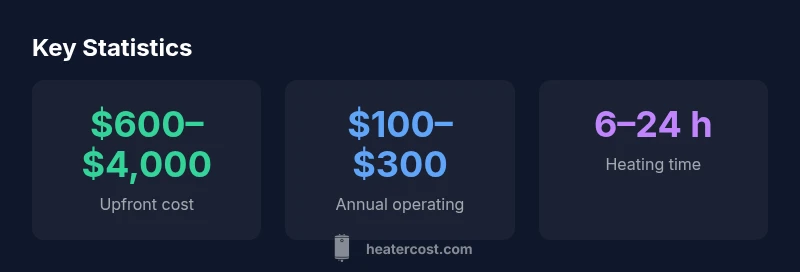
| Solar | $600–$4,000 | $0–$200 | 6–24 hours | Sunny, mild climates |
| Gas | $1,500–$4,500 | $300–$1,000 | 1–4 hours | Temp-controlled, cooler nights |
| Heat Pump | $2,000–$5,000 | $150–$400 | 2–8 hours | Moderate climates |
Got Questions?
What is the cheapest option to heat an above-ground pool?
Solar heaters generally offer the lowest operating costs and lowest long-term expenses for above-ground pools, especially in sunny regions. They’re simple to install and have minimal ongoing maintenance. If you need heat on cloudy days, plan for a supplemental heater.
Solar heaters are usually the cheapest option over time, especially in sunny areas.
How long does it take to heat an above-ground pool?
Heating time depends on the heater type and climate. Solar systems can take longer, while gas heaters heat quickly. Heat pumps typically fall in between. Expect several hours to reach comfortable temperatures, with faster results during warmer days.
It can take several hours, depending on the system and weather.
Can I install a pool heater myself?
Installation often requires electrical work, gas connections, and venting considerations. Many jurisdictions require a licensed professional for safety and code compliance. Check local permits and manufacturer guidelines before starting.
DIY installation isn’t recommended due to safety and code requirements.
Do above-ground pool heaters require permits?
Permit requirements vary by location and system type. Gas and electrical connections commonly require inspections. Check your city or county building department and the installer’s guidance to ensure compliance.
Check local rules; permits are often needed for gas or electrical work.
Is a heat pump better than a gas heater for an above-ground pool?
Heat pumps offer higher efficiency and lower operating costs in moderate climates, but their performance drops in cold weather. Gas heaters heat faster and work in any season but cost more to run. The best choice depends on climate and usage.
Heat pumps are efficient in mild weather, gas heats fast but costs more.
How do I size a pool heater for my above-ground pool?
Sizing should consider pool surface area and desired temperature rise. A professional can calculate BTUs needed based on climate, pool size, and insulation. Oversizing wastes energy, while undersizing leads to inadequate heating.
Size it correctly to avoid overspending or underheating.
“Choosing the right swimming pool heater for above-ground pools is about balancing upfront costs, climate, and ongoing energy use.”
The Essentials
- Choose solar for the lowest operating costs in sunny climates
- Gas heaters heat fastest but cost more over time
- Heat pumps balance efficiency and ease of use in moderate climates
- Size the heater to your pool’s surface area and climate
- Factor installation requirements and permits into total costs