Safe Non-Electric Heating: Alternatives & Tips
Learn safe, practical ways to stay warm without electricity. This Heater Cost guide covers approved non-electric heating options, insulation, and budgeting tips, with a strong focus on safety and compliance for homeowners, renters, and property managers.


Without electricity, building a safe, reliable heater at home is not advisable. Instead, focus on safe, non-electric warming options and insulation to keep you warm. This guide covers vented fuel options with professional installation, passive solar strategies, layering, draft-proofing, and safety practices. Prioritize carbon monoxide safety and local codes, and consider budget-friendly, proven approaches over DIY heater construction.
Why DIY heater construction is risky and not recommended
Creating a home heater that operates safely without electricity introduces serious risks, including fire hazards, incomplete venting, and dangerous carbon monoxide buildup. Even small mistakes in fuel handling, combustion, or venting can put occupants at risk. According to Heater Cost, safety must come first, and DIY approaches should be avoided in favor of approved, vented solutions installed by licensed professionals. In most jurisdictions, using unapproved heating devices or making improvised heaters can violate building codes and void insurance coverage. If you’re determined to stay warm during outages, prioritize non-electric options that are designed, tested, and installed to meet safety standards.
This section sets the stage for safer choices and explains why a do-it-yourself heater is not the right path for most homes. We’ll explore vetted alternatives that work without electricity and keep fire and CO hazards to a minimum.
Safer non-electric heating options that are commonly recommended
There are legitimate, safety-conscious ways to stay warm without electricity. The most reliable options are: (1) vented gas or propane space heaters installed by a licensed professional, (2) wood or pellet stoves with proper venting and maintenance, and (3) passive solar strategies and improved insulation that reduce heat loss when power is out. Each option requires careful installation, regular maintenance, and strict adherence to safety guidelines. The Heater Cost Team emphasizes that any fuel-burning device used indoors should be vented and operated with appropriate CO detectors in living areas. For renters and owners, consider the cost and logistics of each option, and never improvise a heating device without professional consultation.
How to maximize warmth without electricity through insulation, weatherization, and clothing
A well-insulated home minimizes heat loss, reducing the need for active heating. Start with sealing drafts around doors and windows with weatherstripping and door sweeps. Add attic and wall insulation where practical, and use thermal curtains or window film to cut heat loss at night. Dressing in layered, moisture-wicking clothing and using high-quality blankets can significantly improve warmth without power. This approach aligns with safe, non-electric strategies and minimizes reliance on risky DIY heating ideas. Heater Cost analysis suggests that investing in insulation and drafts reduction often yields higher long-term savings than alternative heating methods.
Passive solar strategies and home design tweaks that reduce heat demand
Shaping interior layouts and maximizing solar gain can lower heating needs during cold periods. Open south-facing curtains on sunny days to let in heat, and deploy thermal mass (e.g., concrete or brick) to store daytime warmth. Close off unused rooms to concentrate warmth where people spend time. Use reflective window treatments to bounce heat back into living spaces. While passive solar alone won’t replace a heater, combining it with insulation and safe non-electric devices creates a balanced approach that keeps spaces warmer with less energy loss.
This section highlights practical, code-friendly modifications that improve comfort without electricity and without introducing unsafe DIY heating devices.
Safe non-electric heating options: guidance for choosing and using commercial devices
If you opt for a non-electric heating option, prioritize devices that are purpose-built for indoor use and comply with safety standards. Gas- or propane-fired heaters should be installed by licensed technicians, vented properly, and used with CO detectors in sleeping areas. Pellet stoves and wood stoves require regular chimney maintenance and carbon monoxide testing. Never operate unvented heaters indoors. Always follow manufacturer instructions and local codes, and ensure proper ventilation to avoid indoor air quality issues. This guidance helps homeowners balance safety with warmth during power outages.
Safety, detectors, and compliance: essential precautions
Install and maintain CO detectors on each living floor, especially near sleeping areas. Test detectors monthly and replace batteries at least twice a year. Smoke detectors should be present and functioning in every unit. Ensure adequate ventilation when using any fuel-burning device and never leave heaters unattended. Develop a plan for outages, including safe space allocation, emergency contacts, and rules for children and pets. The Heater Cost Team prioritizes safety and compliance to protect households from accidental exposure and fire hazards.
Cost considerations and Heater Cost perspective for non-electric options
Heating without electricity can lower consumption during outages, but the upfront costs vary by option. Vented gas heaters and wood stoves typically require professional installation, venting, and ongoing maintenance. Insurance and permit considerations may apply, depending on local regulations. Heater Cost analyses emphasize evaluating total cost of ownership—purchase price, installation, fuel, maintenance, and potential savings—before committing. Seek quotes from licensed installers to compare long-term costs and safety features.
Quick-start plan: getting warm safely in a power outage
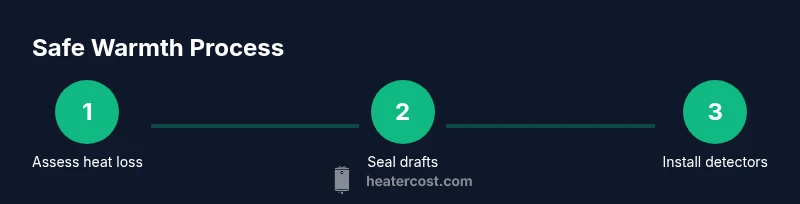
Begin with a quick home safety check: seal drafts, install CO and smoke detectors, and gather warm layers and blankets. If you plan to add a non-electric heater, consult a licensed professional for an installation or choose approved, vented units designed for indoor use. Maintain ongoing safety by testing detectors regularly, scheduling service checks, and reviewing local codes. This plan prioritizes safety while providing practical warmth during outages.
Tools & Materials
- Weatherstripping kit(Seal gaps around doors and windows to reduce heat loss)
- Door sweeps(Block drafts at thresholds to prevent cold air infiltration)
- Attic/wall insulation materials(Improve thermal retention; consider professional installation for best results)
- Thermal curtains(Use at night to reduce heat loss through windows)
- CO detector(Place near sleeping areas; test monthly)
- Smoke detector(Ensure functioning on every level)
- Licensed heating technician for installation(For any vented gas/ propane heater or similar appliance)
- Emergency warmth kit (blankets, blankets, battery-powered light)(Safety backups for outages)
- Ventilated space heater (gas/propane) installed by professional(Use only if chosen and approved for indoor use)
Steps
Estimated time: 3-6 hours
- 1
Assess and document home heat losses
Walk through the home to identify drafts, poor insulation, and windows with visible gaps. Document areas where heat escapes to prioritize improvements.
Tip: Take photos of problem areas to reference when discussing upgrades with a professional. - 2
Seal drafts with weatherproofing
Apply weatherstripping around doors and windows and install door sweeps. This reduces heat loss and improves comfort with minimal cost.
Tip: Check for door misalignment; rehang if necessary to improve seal effectiveness. - 3
Increase insulation in key areas
Add or top up insulation in attics and exposed wall cavities where practical. Adequate insulation is one of the most cost-effective warmth investments.
Tip: Consider a professional insulation assessment for targeted improvements. - 4
Install safety devices on every level
Place CO detectors near sleeping areas and ensure smoke detectors are working. Test devices monthly and replace batteries twice a year.
Tip: Keep a spare 9V battery on hand for quick changes during outages. - 5
Evaluate safe non-electric heating options
If you choose a gas or propane heater, use a licensed technician for installation and ensure proper venting. Do not operate unvented devices indoors.
Tip: Ask about clearance requirements and fuel storage safety during a consult. - 6
Create a warmth plan using layering and space management
Dress in layers, use blankets, and prioritize heat in the rooms where people spend most of their time. Limit space usage to reduce heating demand.
Tip: Set up a shared space with active occupants rather than heating large unused areas. - 7
Regular maintenance and safety reviews
Schedule periodic inspections for any fuel-burning appliances and ensure venting paths remain clear. Reassess insulation every heating season.
Tip: Document service history to support insurance and safety compliance.
Got Questions?
Is it safe to build a heater at home without electricity?
No. Building a heater without electricity poses significant fire and CO risks. It is safer to use approved, vented heating options installed by professionals and to focus on insulation and safety measures.
No, it's not safe to build a heater. Use approved, vented options installed by a professional and prioritize safety and insulation.
What are safe non-electric heating options for a home?
Approved options include vented gas or propane heaters installed by a licensed technician, wood or pellet stoves with proper venting, and enhanced insulation plus passive solar strategies.
Safe options include vented gas heaters, wood stoves with venting, and better insulation.
How can I stay warm during a power outage without dangerous DIY methods?
Rely on insulation, layering, and approved non-electric heat sources with proper venting and CO detectors. Have an emergency kit with blankets and flashlights ready.
Use insulation, warm layers, and approved non-electric heat sources with detectors, plus an emergency kit.
Do I need CO detectors if I’m using a non-electric heater?
Yes. CO detectors are essential whenever any fuel-burning appliance is used indoors. Place detectors on every floor and test them regularly.
Yes—CO detectors are essential and should be tested regularly.
Can insulation alone keep my home warm without electricity?
Insulation greatly reduces heat loss, but it won’t replace a safe heating source. Combine insulation with approved non-electric heating options for best results.
Insulation helps a lot, but you still need a safe heat source.
What should I do if I’m unsure about a heating option?
Consult a licensed professional to review options, ensure compliance with local codes, and confirm safe venting and installation plans.
Talk to a licensed pro to review options and ensure safety.
Watch Video
The Essentials
- Assess heat loss before choosing a solution
- Choose licensed, vented heating options when using fuel indoors
- Invest in insulation and drafts control for long-term warmth
- Prioritize safety devices and safe operation practices
- Plan for outages with a clear warmth strategy