How to Make a Heater with Battery: Safety Guide
Explore why building a battery-powered heater is unsafe and learn safer, code-compliant options. This Heater Cost guide covers risks, alternatives, and practical safety steps.


Definition: Building a heater powered solely by consumer batteries is unsafe and not recommended. This guide explains why such a DIY project poses serious fire and chemical hazards, and directs you toward safer, code-compliant alternatives like certified electric heaters or designed energy-storage solutions. Prioritize safety codes and professional guidance to avoid risk.
Why DIY Battery Heaters Are Risky
The idea of making a heater powered by a battery can seem appealing to DIY enthusiasts, but it carries serious risks that are easy to overlook. If you search for how to make heater with battery, you will encounter concepts that tempt experimentation, yet the reality is that such a project creates hazards you cannot ignore. The core problem is safety: batteries—especially lithium-based cells—can overheat, vent, or ignite if damaged, misused, or overcharged. A small miscalculation in current, temperature, or enclosure design can lead to thermal runaway that spreads heat to nearby materials, causing a house fire. Battery packs also place a heavy load on charging circuits, which must be carefully designed and protected to prevent short circuits and fires. Even a well-intentioned build may fail to meet safety standards, undermining insurance coverage and occupant safety.
According to Heater Cost, many DIY heater concepts skip essential safety features like thermal cutoffs, proper isolation, and fail-safe wiring. The Heater Cost team found that most home-built battery arrangements lack recognized safety certifications, meaning insurers may deny a claim and authorities may not approve occupancy in heated spaces. For homeowners, renters, and property managers, relying on such improvised devices is neither cost-effective nor responsible. This article emphasizes why safety must come first and points toward safer, code-compliant options that deliver warmth without unnecessary risk.
Safety Standards and Regulations
Electric heating devices intended for living spaces are governed by safety standards and local regulations. Building codes, electrical codes, and consumer safety guidelines require devices to have robust enclosures, reliable overheat protection, automatic shutoffs, and clear labeling. Battery-powered heating efforts complicate compliance because they must satisfy both electrical safety rules and battery-specific criteria, such as current limiting, short-circuit protection, and safe battery enclosure. Without proper certification (for example, recognized safety listings) and independent testing, a DIY heater risks personal injury, property damage, and insurance complications. Before attempting any heating project, verify that your plan aligns with local rules and that components have recognized safety certifications. If your goal is to heat a space safely, choosing a purpose-built, certified heating device with a warranty is usually the most practical route.
Safer Alternatives to a Battery-Powered Heater
There are safer routes to warmth that avoid DIY battery-based heating. Start with improving insulation—seal drafts around doors and windows, add attic insulation, and optimize radiant barriers—to reduce heat loss. Next, opt for a certified electric space heater with built-in safety features like tip-over protection, overheat protection, and a grounded plug, used in a ventilated area and away from flammable materials. If you need portable warmth, consider devices designed for grid power or professional energy storage solutions developed with safety in mind. If batteries are involved, work with a licensed professional to design a system that uses certified battery banks, a battery-management system (BMS), and purpose-built inverters housed in compliant enclosures with proper ventilation. Finally, explore passive options such as improved insulation and humidity management, which can significantly cut the need for active heating.
Battery Technology Basics: What You Need to Know
Battery chemistry determines both performance and safety. Lithium-ion cells can deliver high energy quickly but require precise charging control, thermal management, and robust protection circuitry. Improper housing or venting can trap heat and elevate the risk of thermal runaway. Alternative chemistries like lithium iron phosphate (LiFePO4) offer greater thermal stability and longer life in some applications, yet they still depend on a properly designed charging system and a certified enclosure. When heating loads are applied to a battery, consider discharge rates, peak power, and duration; pushing a battery beyond its rated capability increases the risk of overheating and failure. The safest path is to use certified energy storage solutions that include a BMS, over-discharge protection, and proper venting. This section equips readers with a basic literacy about batteries so they can evaluate ideas without relying on risky DIY designs.
A Responsible DIY Mindset: What Not To Do
Never bypass safety features or improvise protective hardware. Avoid wiring tricks that bypass fuses, thermal cutoffs, or enclosure integrity. Do not operate battery-based heating ideas in damp spaces, near flammable materials, or without adequate ventilation and detectors. Do not assume that more power automatically means more heat; overloading a battery can cause rapid heating and failure. Instead, pursue a safety-first approach: use tested components, document testing, and obtain professional oversight when involving energy storage or heating applications. By adopting this mindset, you protect occupants, property, and your project investment.
How to Assess If a Battery-Powered Heating Idea Is Safe
Start by defining the heating need: room size, climate, and acceptable heat distribution. Compare with certified heaters that meet recognized safety standards and energy efficiency ratings rather than attempting to fabricate a battery-powered solution. Seek professional input from a licensed electrician or HVAC technician to review any integration, including charging and wiring layouts. Plan for emergencies: install smoke detectors, keep a fire extinguisher nearby, and ensure safe egress. If you decide to test, do so in a controlled environment with protective gear and close supervision. These steps help ensure safety, compliance, and responsible use.
Cost, Maintenance, and Long-Term Considerations
Cost considerations for heating projects should include safety equipment, testing, and potential insurance implications. While DIY ideas may seem cheaper upfront, hidden costs add up through maintenance, battery replacements, and possible code violations. Safer, certified heating solutions often deliver more predictable energy use, reliability, and warranty support, reducing long-term expenses and risk. Heater Cost research shows that households frequently realize better value from safe, code-compliant heaters and energy storage systems than from risky DIY attempts.
Final Path Forward: Safer Approach
The prudent path is to avoid DIY battery-powered heaters and instead focus on safer, code-compliant options. The Heater Cost team recommends improving home insulation, selecting certified space heaters with safety features, and considering professional, properly designed energy storage options when heat resilience is needed. This strategy prioritizes safety, compliance, and reliability, minimizing risk while maintaining comfort and cost-effectiveness.
Tools & Materials
- Multimeter(To verify electrical parameters and outlet safety before handling any wiring.)
- Voltage tester(Use to confirm circuit is de-energized before working.)
- Fire extinguisher (ABC type)(Keep within reach in the testing area.)
- Safety glasses and gloves(Protect eyes and hands during any inspection or testing.)
- Non-conductive work surface(Helps prevent accidental short circuits.)
- Manufacturer safety manuals/code references(Keep for reference on local codes and safety standards.)
Steps
Estimated time: 15-45 minutes
- 1
Assess the idea and safety risk
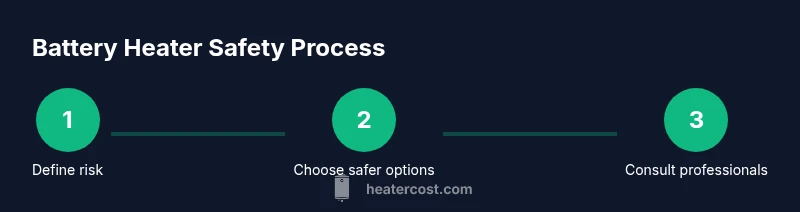
Identify the hazards, potential fire sources, and battery-related risks. Do not proceed if any risk is unclear; seek professional advice.
Tip: Document all risks with a simple checklist before moving forward. - 2
Research safer, certified options
Compare commercially available heaters that meet safety standards and fit your heating needs rather than building a DIY battery heater.
Tip: Prioritize devices with thermal cutoff, tip-over protection, and UL or equivalent listings. - 3
Consult a licensed professional
Have an electrician or HVAC specialist review any battery or energy-storage related plans and ensure compliance with local codes.
Tip: Ask for a written safety assessment and installation plan. - 4
Plan for emergencies and maintenance
Install detectors, keep a fire extinguisher accessible, and schedule routine checks of any heating or storage system.
Tip: Create a clear maintenance log and set reminders for inspections.
Got Questions?
Is it safe to build a heater that runs on batteries at home?
No. DIY battery-powered heaters pose significant fire and chemical hazards. They often lack required certifications and can violate local codes. Safer options exist with certified devices and proper energy storage solutions.
It's not safe to build a battery-powered heater at home; consult a professional and use certified options.
What are safer alternatives to a battery-powered heater?
Use certified electric space heaters with safety features, improve insulation, and consider professionally installed energy storage if needed. These approaches reduce risk and ensure warranty coverage.
Use certified heaters and insulation improvements for safer warmth.
Can standard household batteries power a heater safely?
Not recommended. Standard batteries are not designed for sustained high-power heating and can overheat or fail. Professional systems with proper protection are essential.
It's not safe to power a heater with regular household batteries.
What safety features should a heater have?
Overheat protection, tip-over switch, automatic shutoff, proper enclosure, and recognized safety certifications from approved testing labs.
Look for safety features and verifications from recognized labs.
I already built a battery heater. What now?
Cease use immediately, disconnect power, and consult a licensed professional for a safety assessment and potential safe remediation plan.
Stop using it and get expert help.
Watch Video
The Essentials
- Avoid DIY battery heaters due to safety and legal risks.
- Choose certified heaters and improve insulation for safer warmth.
- Battery tech requires proper protection, cooling, and professional design.
- Consult professionals and follow codes to reduce fire risk and insurance issues.