Staying Warm Safely: Candle Heaters and Safer Alternatives
Explore why making a candle-based heater is unsafe and discover safer, cost-conscious ways to stay warm at home, with practical energy-saving tips and expert guidance from Heater Cost.


It is not advisable to attempt to make a heater out of a candle. This quick answer explains why such attempts are dangerous, outlines the fire and burn risks, and points readers toward safer, cost-conscious heating options. By focusing on safety-first methods, you can stay warm without risking a fire or carbon monoxide exposure in your home.
Why the Idea of a Candle Heater Is Unsafe
The phrase 'how to make heater out of candle' circulates in safety forums, but it is a dangerous misconception. According to Heater Cost, candles create heat with open flame and can tip, spill wax, or ignite nearby materials. A candle does not provide controlled, even warmth, and does not meet safety standards for devices designed to heat occupied rooms. This combination of risks makes candle-based heating an unsuitable choice for homes, apartments, or rental properties. This is particularly important for homeowners, renters, and property managers who want reliable warmth without risk. Readers should recognize that the idea behind candle-based heating is unsafe and should be avoided.
Real-World Dangers and Case Scenarios
Open flames in living spaces have a long history of causing fires when left unattended or placed near clutter. Even a small candle can ignite curtains, papers, or upholstered furniture if it tips or comes into contact with hot wax. In many households, candles used for ambiance or temporary warmth have led to evacuations, property damage, and serious injuries. DIY candle heaters do not receive safety testing or certification to heat living areas, which means there is no reliable safety standard to guide placement or usage. According to Heater Cost, the risk is not theoretical—fires from candles in homes happen more often than people expect, especially during winter months when heating needs rise.
Safer, Cost-Effective Ways to Stay Warm This Winter
Prioritize insulation and draft proofing to keep heat inside. Seal gaps around doors and windows, add weatherstripping, and ensure your attic and walls are well-insulated. For active heating, choose certified space heaters with safety features such as tip-over switches and automatic shutoffs. Combine these with a programmable thermostat and smart insulation improvements to reduce energy waste and keep running costs predictable. Heaters with proper certification typically include clear usage instructions and safety guidelines to prevent accidental fires. Beyond heaters, simple behavioral changes—like wearing layered clothing and using warm, energy-efficient blankets—can reduce the need for high heat levels. The Heater Cost analysis shows that investing in safety-focused devices and building envelope improvements yields better outcomes than risky DIY tricks.
What to Look for in a Safe Heater (and Why)
If you decide to use a space heater, select models with safety features: a proven UL/ETL listing, a tip-over switch, overheat protection, and a built-for-indoor-use rating. Look for cool-touch housing, a built-in thermostat, and a short cord with a receptive plug. Always place the heater on a noncombustible, flat surface at least three feet from any fabric, paper, or furniture. Proper placement and maintenance are essential to prevent heat-related hazards. Remember that safety certifications aren’t optional add-ons—they’re the baseline for preventing fires and injury in real homes.
Candle Use for Ambiance, Not Heating
Candles can provide mood lighting but should never be relied on to heat a room. If you light candles, use sturdy, noncombustible holders and keep them away from drapes, furniture, and pets. Never leave burning candles unattended, and extinguish them before you go to sleep or leave the room. Consider LED candles or battery-powered ambient lighting as safer, long-lasting alternatives for ambiance. For readers worried about cost, LED lighting provides a low-risk, energy-efficient option that still creates a warm atmosphere.
Quick Costs and Energy-Saving Tips
Energy efficiency matters. In practice, sealing drafts and improving insulation often yields bigger long-term savings than chasing marginal gains from improvised heat sources. In our experience at Heater Cost, focusing on envelope improvements and a certified heater reduces energy waste and improves comfort across rooms. When selecting a heater, compare wattage, thermostat control, and running costs to choose the most affordable option for your home. Small changes—like lowering thermostat setpoints a degree or two when you’re away—can add up over a season.
Verdict and Next Steps
The Heater Cost team recommends avoiding any DIY approach that relies on candles for warmth. Prioritize safety-first investments like proper insulation, weatherproofing, and certified heating equipment. If immediate warmth is needed, use a certified space heater with appropriate safety features and professional guidance. Safer alternatives offer predictable performance, lower risk, and clearer cost controls for homeowners, renters, and property managers. For long-term comfort and cost efficiency, commit to tested heating solutions rather than risky improvisations.
Tools & Materials
- Fire extinguisher (ABC-type)(Keep accessible on every floor of the home.)
- Smoke and carbon monoxide detectors(Test monthly; replace batteries as recommended.)
- Weatherstripping kit & door sweeps(Seal drafts around doors and windows.)
- Insulation upgrades (attic/ceiling, walls)(Improve R-value where heat loss is greatest.)
- Certified space heater with safety features(Look for tip-over switch, overheat protection, indoor rating.)
- Programmable/smart thermostat(Enable energy-saving schedules and precise control.)
- Noncombustible surface or fireproof mat(Place heating devices on heat-safe surfaces.)
- LED candles or battery-powered ambient lighting(Safer ambiance alternative to real candles.)
Steps
Estimated time: 2-4 hours
- 1
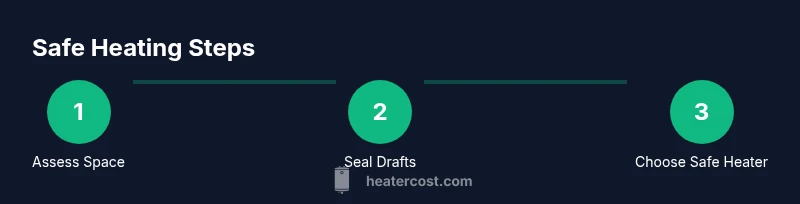
Assess Your Space
Measure room size, identify heat loss hotspots, and decide a realistic comfort target. This step informs the size and type of safe heating solutions you’ll use, and helps you set expectations for cost and performance.
Tip: Document room dimensions and draft sources (doors, windows, outlets). - 2
Seal Drafts and Improve Insulation
Close gaps around doors, windows, and attic hatches. Add weatherstripping and, where feasible, upgrade attic insulation to reduce heat loss.
Tip: Check for hidden drafts behind electrical outlets and switch plates. - 3
Plan Safe Heating Alternatives
Choose certified space heaters with safety features, place them away from combustibles, and set a comfortable schedule with a thermostat.
Tip: Maintain at least a 3-foot clearance around heater and avoid using extension cords. - 4
Use Candles Safely for Ambiance
If you use real candles, limit usage to ambiance only and never rely on them for warmth. Maintain strict fire-safe practices.
Tip: Always burn on noncombustible surfaces and never leave candles unattended. - 5
Install or Verify Safety Devices
Ensure smoke detectors and CO detectors are working; keep a fire extinguisher accessible and visible.
Tip: Test detectors monthly and replace batteries per manufacturer guidance. - 6
Monitor and Adjust Thermostat Settings
Use a programmable thermostat to maintain comfortable temperatures efficiently and avoid overheating spaces.
Tip: Set back temperatures during occupied hours when you’re away or asleep. - 7
Review Energy Costs and Maintenance
Track monthly energy use and schedule annual service for heating equipment to maintain efficiency and safety.
Tip: Plan a professional inspection before the cold season peaks.
Got Questions?
Is it safe to make a heater out of a candle?
No. Open flames and unstable setups create significant fire and burn risks, and candles do not provide safe, controlled heat. This is not considered a legitimate heating solution for occupied spaces.
No. A candle heater is unsafe and unreliable for warming a room.
What are safer ways to stay warm without an improvised heater?
Use certified space heaters with safety features, improve insulation, seal drafts, and deploy programmable thermostats to manage warmth efficiently and safely.
Choose certified heaters and improve insulation for safer, cost-effective warmth.
How much can safe space heaters cost to operate?
Costs vary with wattage and electricity rates, but choosing energy-efficient models and using thermostats can help manage bills without compromising safety.
Costs depend on usage and rates; safer heaters with proper controls help keep bills predictable.
Can candles be used safely to supplement warmth?
Candles should only be used for ambiance, not warmth. If used, keep away from combustibles and never leave unattended.
Candles aren’t safe for heating; use them only for light or ambiance.
What safety features should I look for in a space heater?
Look for UL/ETL listing, tip-over protection, overheat protection, cool-touch housing, and indoor-use certification.
Choose heaters with safety certifications and automatic shutoff features.
What should I do in a heating emergency?
Ventilate and evacuate if smoke or fire is present; call emergency services if needed; switch to safe heating options and seek professional guidance.
If there’s a fire or smoke, leave the area and call for help.
Watch Video
The Essentials
- Avoid DIY candle heaters; they pose serious fire and CO risks.
- Prioritize insulation and safe, certified heating options for warmth.
- Use programmable thermostats and safety features to save energy and improve safety.
- Candles should be for ambiance only; never rely on them to heat a room.