Understanding Heater 240V: Costs, Wiring, and Safety
An analytical guide to heater 240V options, wiring needs, and safety considerations. Learn sizing, cost ranges, features, and maintenance tips for efficient, safe heating in homes.


Heater 240V options typically draw 1000–2000 watts, with most common plug-in models around 1500W for small to medium rooms. For larger spaces, higher wattage units up to 3000W exist, but may require a dedicated circuit and professional wiring. Check your panel capacity and plug type before purchasing; safety and efficiency hinge on proper sizing. According to Heater Cost Analysis, 2026, wattage, safety features, and insulation drive overall performance.
How a 240V heater operates in residential wiring
A heater rated for 240V runs off two hot conductors and a ground, delivering higher heat output with relatively lower current per amp compared to 120V devices. In typical US households, 240V heaters can be plug-in or hardwired, and their electrical demands influence circuit sizing. A 1500W model at 240V pulls roughly 6.25A, while a 2000W model pulls about 8.3A. Because this is a continuous load if used for extended periods in a room, many codes require dedicated circuits on higher-wattage units, especially hardwired ones. When assessing a 240V heater, verify the circuit rating, receptacle type, and whether a GFCI is needed in damp environments. Voltage stability, wiring quality, and proper grounding are essential to avoid nuisance trips or safety hazards. In short, the heater 240v category balances heat output with electrical demand for home use, but the exact configuration matters for safety and efficiency.
Sizing and room mapping: choosing the right wattage for heater 240V
Sizing a 240V heater involves room dimensions, insulation quality, air leakage, and target comfort level. A common rule of thumb is about 10 watts per square foot for well-insulated spaces, which translates to roughly 1000–1500W for small rooms (100–150 sq ft) and 2000–3000W for larger living areas (200–300 sq ft). In drafty spaces, you may need the higher end of the range or supplementary heat sources. Don’t rely on a single heater to do all the work in a large space; instead, consider zoned heating or multiple, smaller units that can be controlled independently. For apartments or rooms with limited outlets, portable 240V heaters at 1000–1500W often strike a balance between heat and electrical load.
Cost considerations: upfront and ongoing costs of heater 240V
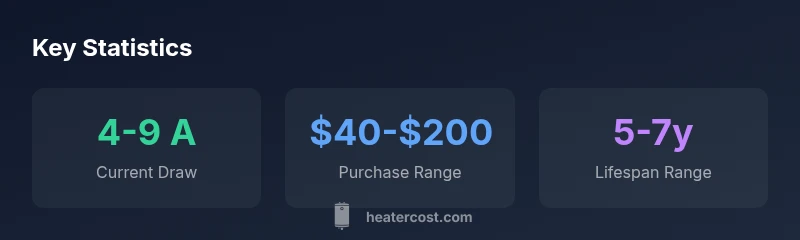
Upfront prices for 240V heaters vary with wattage, features, and build quality. Typical consumer models fall in the $40–$200 range, with higher-end units offering smart thermostats, timers, and rapid-heat capabilities pushing toward $250–$350. Operating costs depend on electricity rates and usage patterns. A 1500W unit running for 4 hours on a day with moderate rates will consume about 6 kWh of energy. If you switch to a programmable thermostat or timer, you can reduce unnecessary runtime and save money over the season. When comparing options, focus on wattage efficiency, staggered heat cycles, and insulation improvements in the room.
Safety, installation, and code considerations for heater 240V
Safety should guide every purchase and installation decision. Always keep heaters away from combustibles by a recommended clearance — typically 3 feet or more — and avoid using extension cords for high-wattage models. Plug-in units should be used with properly rated outlets; hardwired, 240V installations generally require a licensed electrician and may need a dedicated circuit breaker. In damp or outdoor locations, ensure weatherproofing and GFCI protection where applicable. Regular inspections of cords, plugs, and housings help prevent overheating or fire hazards. Follow manufacturer guidelines and local codes for a safe setup.
Features that influence comfort and efficiency in heater 240V units
Effective thermostats enable consistent temperature control, reducing energy waste from overheating. Programmable timers and eco modes help align heat output with occupancy patterns. Noise level matters in bedrooms or offices; select models with quiet fans or radiant elements if sound is a concern. Safety features such as tip-over switches, overheat protection, and cool-touch exteriors add layers of protection. When evaluating features, balance convenience with reliability and maintenance needs. A well-chosen 240V heater should offer responsive heat, predictable cycles, and simple controls.
Maintenance, longevity, and when to replace a 240V heater
Maintenance is central to longevity. Regularly inspect cords, plugs, and vents for dust or obstruction. Clean with a dry or lightly damp cloth; never use water on electrical components. If a heater emits unusual smells, pops, or trips breakers consistently, discontinue use and consult a technician. Stored properly in dry conditions, most units last several seasons if kept within recommended wattage ranges and used with a stable electrical supply. Replacement timing depends on build quality, usage intensity, and the availability of safer, more efficient models with modern protections.
Quick-start buying checklist for heater 240V buyers
- Determine room size and insulation level to estimate wattage needs.
- Verify circuit capacity and outlet compatibility for the preferred wattage.
- Compare model types (convection, infrared, fan-forced, radiant) based on heat delivery and room placement.
- Prioritize safety: thermostats, tip-over protection, and overheat shutoff.
- Consider programmable features and noise level for comfort.
- Evaluate warranty, uptime reliability, and maintenance requirements before purchase.
Comparison of common 240V heater options
| Model Type | Typical Power Range | Best Use Case |
|---|---|---|
| Convection 240V heater | 1000-1500 W | Small-to-medium rooms for steady heat |
| Infrared 240V heater | 1500-2000 W | Spot heating and faster warmth |
| Fan-forced 240V heater | 1000-2000 W | Versatile heating with airflow |
| Radiant panel 240V heater | 500-1000 W | Personal comfort & energy efficiency |
Got Questions?
What is the typical wattage for a 240V space heater?
Most 240V space heaters operate in the 1000–2000 watt range, with higher-wattage models available for larger spaces. Always verify the unit’s wattage and ensure your circuit can handle sustained load.
Most 240V space heaters run between one and two kilowatts; check the wattage and your circuit capacity before buying.
Is a 240V heater suitable for apartments?
Yes, for supplemental heating in apartments, but ensure the unit fits outlet requirements and is on an appropriate circuit. Choose models with built-in safety features and consider zoning to avoid overburdening the electrical system.
Yes, but pick a compact, safe model and mind your circuit limits in an apartment.
Do I need permits for 240V heater installation?
Portable plug-in 240V heaters typically do not require permits. Hardwired or higher-wattage installations may require an electrician and local permits. Always check local codes before a permanent upgrade.
Permits are usually needed for hardwired installations; check local codes.
How can I reduce running costs of a 240V heater?
Use a programmable thermostat or timer, seal drafts, and insulate the space. Compare models with efficient heat delivery and avoid running heaters on full power for long periods.
Set programs, seal leaks, and pick efficient models to save energy.
What safety features should I look for?
Look for overheat protection, tip-over shutoff, cool-touch housing, and automatic shutoff. Also ensure the unit has a properly rated cord and outlet for its wattage.
Prioritize overheat protection, tip-over switches, and a safe cord.
“For 240V space heaters, the key is balancing wattage, insulation, and safety features to achieve efficient comfort without overloading circuits.”
The Essentials
- Estimate room size to pick wattage
- Prioritize safety features and clearances
- Compare watts, not just upfront price
- Check installation needs and permits for high-wattage units
- Use thermostats and timers to boost efficiency