Electricity Heater Costs: A 2026 Practical Guide
Understand electricity heater costs, efficiency, and installation options in 2026. This Heater Cost guide compares methods, estimates bills, and offers tips to reduce energy spend.


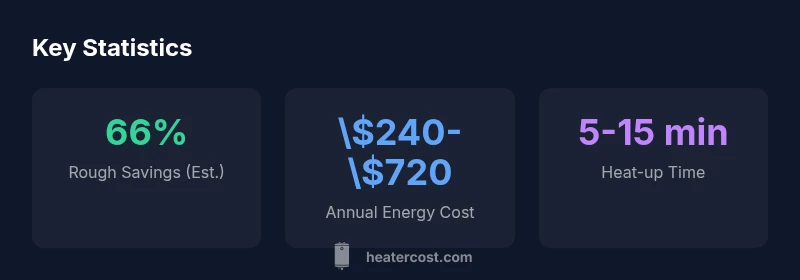
Electricity heater operating costs vary by climate, home insulation, and local rates, but a typical apartment or small home spends about $20-$60 per month on electric space heating when using a standard electricity heater. Efficiency, thermostat settings, and heat loss influence bills more than heater type alone. According to Heater Cost Analysis, 2026, selecting proper sizing and zoning can cut monthly costs by up to 30%.
What is an electricity heater?
An electricity heater is a device that converts electrical energy into heat to warm indoor spaces. In everyday language, people often refer to electric space heaters or electric resistance heaters. The broad category includes baseboard units, wall-mounted panels, compact fan-forced heaters, and radiant panels. A key feature of electricity heaters is that they do not burn fuel on site; instead, they rely on electrical resistance or, in some cases, heat pump technology that uses electricity to move heat from one place to another. For homeowners and property managers, the term electricity heater covers both simple plug-in units for a single room and larger, integrated systems that connect to a home's electrical circuit. The Heater Cost team emphasizes that selecting the right electricity heater depends on room size, insulation, and climate, because these factors determine how much heat is needed and how often the device will operate. Understanding these basics helps you compare options without overspending on equipment that won't fill your needs.
How electricity heaters work
Electricity heaters operate by converting electrical energy into heat, but the mechanisms differ by technology. Electric resistance heaters use coils or elements that warm up when electricity flows, releasing heat directly into the surrounding air. They are straightforward, reliable, and respond quickly to temperature changes, making them popular for spot heating and space heaters. Heat pump-based electricity heaters, on the other hand, use electricity to drive a refrigeration-cycle compressor to move existing heat from outside to inside. In milder climates or well-insulated spaces, heat pumps can deliver more heat per unit of electricity than pure resistance heaters, which reduces operating costs. The Heater Cost team highlights that the efficiency of an electric heating system depends on the device type, the area being heated, and how well the space is insulated. To maximize value, homeowners should match the heater type to the room's heat load, avoid oversized units, and use proper thermostat control to prevent wasted energy.
Efficiency, costs, and operating expenses
Measuring the efficiency of an electricity heater is not one-size-fits-all. In resistive electric heaters, nearly all the electrical energy is converted to heat, yielding approximately 100% conversion efficiency in terms of heat output per unit of electricity. Heat pumps can exceed the simple one-to-one energy conversion, with a COP (coefficient of performance) that varies with outdoor temperatures and humidity. In real-world terms, this means heat pumps often lower operating costs when outdoor temperatures are not extremely cold, while resistive heaters maintain predictable performance regardless of climate. Because electricity prices vary by region and by time-of-use rate plans, monthly bills can swing significantly. The Heater Cost analysis, 2026, recommends considering heat-load calculations for each space and using zoning and programmable thermostats to avoid paying to heat empty rooms. The section also discusses the total cost of ownership, which includes installation, maintenance, and the potential need for electrical upgrades in older homes.
Comparing electric heater options
There are several common varieties of electricity heaters, each with unique strengths and drawbacks. Portable space heaters provide flexibility and are suitable for occasional use, but they typically cost more per hour to operate and require careful placement to avoid safety hazards. Electric baseboard or wall-mounted units offer consistent heating for individual rooms and usually require less upfront space but may involve higher installation costs if wired into an existing circuit. Central electric systems, including dedicated electric furnaces or air-source heat pumps, can deliver whole-home comfort but typically demand more substantial installation work, electrical service, and ductwork or air-handling capacity. The key is to assess your heat load, insulation levels, and energy costs in your area. The Heater Cost team suggests building a simple decision matrix that weighs upfront costs against ongoing operating costs, climate suitability, and the level of control you want in daily use.
Buying considerations for homeowners
When choosing an electricity heater, homeowners should start with a precise heat-load calculation for each space. This means measuring square footage, ceiling height, window area, insulation quality, and air leakage. If your home is older or poorly insulated, resistive heaters may require larger wattage to reach the same comfort level as a heat pump in moderate climates. Thermostats, zoning, and programmable timers can make a big difference in how much energy you use. In budget terms, plan for both the initial cost of the equipment and installation, plus ongoing electricity costs. The Heater Cost analysis emphasizes comparing energy rates from your utility and considering off-peak usage if you have a time-of-use plan. For renters or multi-unit properties, portable heaters can be a cost-effective interim solution, but always observe safety guidelines and building codes.
Installation and safety basics
Electrical work and heating equipment involve electrical codes and safety considerations. For most homes, residential baseboard or wall-mounted electric heaters connect to existing circuits and require appropriate clearances from walls and combustibles. Larger electric systems or heat-pump configurations may need a licensed electrician to assess wiring capacity, circuit breakers, and potential upgrades to the service panel. Portable space heaters should only be used with the factory-provided tip-over and overheat protection, and never left unattended around children or pets. The Heater Cost team notes that proper installation reduces both energy waste and risk of malfunction, helping to ensure your electricity heater operates safely and reliably.
Maintenance and common issues
Regular maintenance helps keep electricity heaters running efficiently and safely. For resistive heaters, dust buildup on elements can reduce heat output and cause nuisance overheating if airflow is restricted, so periodic cleaning is advised. For heat-pump-based devices, filter cleaning and refrigerant checks are important, typically performed during professional service visits. Safety checks should include testing the power cord for wear, ensuring proper plug type, and confirming that the heater has adequate clearance from flammable materials. If a heater produces unusual odors, strange noises, or fails to heat consistently, consult a qualified technician. The Heater Cost team highlights that timely maintenance reduces the likelihood of unexpected outages and prolonged energy use due to inefficient operation.
Practical cost-saving strategies
To minimize the operating cost of an electricity heater, start by sealing drafts around doors and windows and improving attic or wall insulation. Use zoning features to heat only occupied spaces and set back thermostats during unoccupied periods. When possible, pair electric resistance heating with a heat pump in moderate climates to maximize overall efficiency. Choose models with high Energy Star or equivalent efficiency ratings, and select appropriately sized units to avoid oversizing. Regularly compare your utility's rate plans and take advantage of off-peak periods if your plan supports time-of-use pricing. Finally, implement smart thermostats or occupancy sensors to automate energy savings without sacrificing comfort. The Heater Cost team notes that even small changes in temperature settings or room usage can produce meaningful reductions in annual energy costs for an electricity heater.
Comparison of electric heating types and typical operating costs
| Electric Heating Type | Typical Install Complexity | Operating Cost Range (per hour) | Notes |
|---|---|---|---|
| Electric baseboard | Low to moderate | $0.02-$0.13 | Zone heating suitable |
| Portable space heater | Low | $0.25-$0.50 | Flexible but safety risk |
| Electric furnace | High | $0.15-$0.50 | Central heating option |
| Electric heat pump | Moderate | $0.10-$0.40 | High efficiency in mild climates |
Got Questions?
What is the most cost-efficient electricity heater for a small apartment?
For small, well-insulated spaces, a programmable baseboard or panel heater paired with a good thermostat often provides reliable comfort at reasonable operating costs. In milder climates, a heat pump option can further reduce bills when the outdoor temperature supports high efficiency.
Programmable baseboard or panel heaters are a stable choice for small spaces; consider a heat pump if your climate is mild.
How does an electric heater compare with a gas furnace in energy costs?
Gas furnaces can be cheaper per BTU in many regions, but fuel prices and efficiency vary by market. Electricity costs depend on local rates and rate schedules. A side-by-side cost comparison should factor installation, maintenance, and climate.
Gas may win on some days, but electricity costs depend on local rates and usage.
Can I save energy with a programmable thermostat for electricity heaters?
Yes. Setting programs to heat only occupied rooms and lowering temperatures during the night or when away reduces energy use and lowers bills over time.
Yes—program the thermostat to save when you’re out or asleep.
Are there safety concerns with electric space heaters?
Yes. Use units with certified safety features, keep them away from flammable materials, and never leave them unattended. Ensure proper ventilation for any devices that exhaust or vent heat.
Always follow the safety features and keep heaters away from flammable items.
What maintenance does an electricity heater require?
Dust the coils, check cords for wear, and schedule professional service for heat-pump systems or central electric units. Replace filters as needed to maintain airflow and efficiency.
Keep it clean, check cords, and service heat-pump systems periodically.
What impacts the environmental impact of electricity heaters?
The impact depends on how your electricity is generated. In grids with cleaner energy, electric heaters emit less pollution; pairing with efficient heat pumps further reduces emissions.
Cleaner electricity means lower environmental impact, especially with efficient heat pumps.
“Electricity heater systems are most cost-effective when matched to climate and home design; efficiency and control strategies determine long-term bills.”
The Essentials
- Size rooms accurately to avoid oversizing
- Programmable controls reduce idle heating
- Heat pumps boost efficiency in milder climates
- Compare upfront installation vs operating costs
- Use energy-rate plans to optimize usage