Electric Heater Pump for Pool: Costs, Efficiency, and Installation
Learn how an electric heat pump for a pool works, compare costs and efficiency, and plan installation and maintenance with Heater Cost guidance.


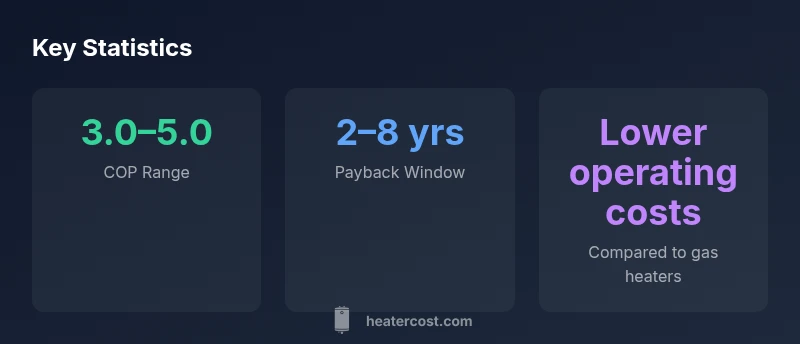
Electric pool heat pumps deliver heat to your pool by transferring ambient warmth from the air, offering an efficient alternative to electric resistance heaters. According to Heater Cost Analysis, 2026, typical COP ranges from 3.0 to 5.0 depending on climate and air temperature. While installation costs vary by region, operating costs are generally lower than gas heaters in milder seasons. This quick guide highlights sizing, efficiency, and cost considerations.
What is an electric pool heat pump?
An electric pool heat pump is a mechanical device that uses electricity to move heat from the outside air into your pool water. It does not generate heat through burning fuel; instead it operates on a refrigeration cycle similar to a home air conditioner. Because it relies on ambient heat, its efficiency depends on outdoor air temperatures and humidity. For homeowners, the Heater Cost team emphasizes that this means better efficiency in milder conditions, with a natural limit on how well it can warm water during cold snaps. The result is a reliable, long-term heating solution that can extend the swimming season without the high fuel costs of gas heaters. According to Heater Cost, a well-sized heat pump can deliver comfortable water temperatures with relatively low energy input, making it a popular choice for many residential pools.
Key factors to note include seasonal performance, noise considerations, and the need for proper electrical grounding. The Heater Cost Team highlights the importance of balanced expectations: heat pumps excel at maintaining warmth rather than delivering rapid, high-heat bursts. When evaluating options, homeowners should compare heat pump models by their COP at typical outdoor temperatures, not just peak performance in ideal weather.
How electric heat pumps for pools work
Electric pool heat pumps extract heat from the surrounding air using a condenser coil and refrigerant cycle. A compressor raises the refrigerant’s temperature, which transfers heat to the pool water as it circulates through a heat exchanger. The process is powered by electricity, but the energy input yields more heat than the electrical energy alone would suggest, thanks to the COP advantage. In practice, this means your pool can reach comfortable temperatures with less electricity than a resistance heater would require. The Heater Cost analysis indicates that performance hinges on ambient temperatures; in cooler climates, some heat pumps reduce output, while most systems maintain steady operation in temperate conditions. Noise, refrigerant charge, and proper refrigerant handling are factors that influence long-term reliability and maintenance.
For homeowners, a model with higher efficiency and quieter operation is typically worth the premium. Consider features such as variable-speed fans, defrost cycles for winter operation, and smart controls that integrate with pool automation systems. The core idea is to choose a heat pump that aligns with your pool size and climate, ensuring the unit runs longer at efficient COP values rather than cycling on and off frequently.
Sizing, climate, and efficiency considerations
Sizing a pool heat pump correctly is essential to achieving the best return on investment. An undersized unit will run constantly, increasing wear and energy use, while an oversized unit may overshoot temperatures and incur unnecessary upfront costs. Climate matters: heat pumps perform best when the outdoor air is not extremely cold. In mild to warm climates, heat pumps can maintain comfortable pool temperatures with very high efficiency. In colder climates, a backup heater or a heat pump with a robust defrost strategy is advisable. The Heater Cost guidance emphasizes working with a qualified installer to perform a load calculation that accounts for pool volume, desired temperature, wind exposure, sun exposure, and pool cover use. Efficient use of a pool cover can reduce heat loss, boosting the effective COP and lowering energy bills.
A practical planning step is to estimate energy use by pool size and climate. For example, a 20,000–25,000 gallon pool in a temperate region might require a larger heat exchanger and a higher-capacity compressor than a smaller pool in a similar climate. Your installer will use COP curves at typical outdoor temperatures to determine annual energy use and expected operating costs. The Heater Cost team recommends reviewing product specifications for COP at 45°F–60°F (7°C–16°C) and 80°F (27°C) pool water to understand performance across seasons.
Costs, incentives, and total cost of ownership
Initial costs for an electric pool heat pump include the unit, installation, and any necessary electrical upgrades. Installation costs vary by region and pool complexity, and code requirements may affect permit fees. While heat pumps have higher upfront costs than simple electric resistance heaters, their long-term operating costs are typically lower. Over the lifespan of a heat pump (often 10–15 years), energy savings and reduced maintenance can lead to a favorable total cost of ownership, particularly where electricity prices are stable and pool use is frequent. Incentives and rebates may be available in some regions, reducing the net upfront cost. The Heater Cost analysis emphasizes comparing total cost of ownership rather than just the purchase price when evaluating options.
Installation and maintenance basics
Professional installation is critical to ensure electrical wiring, refrigerant lines, and pool plumbing are correctly connected and sealed. A licensed electrician or pool contractor can verify electrical service capacity, transformer requirements, and ground fault protection. Regular maintenance includes cleaning the air filter, inspecting refrigerant lines for leaks, checking the defrost cycle, and verifying water flow across the heat exchanger. In many jurisdictions, a permit is required for outdoor pool equipment installation. The Heater Cost team notes that keeping the heat pump away from direct wind exposure and giving it proper clearance for airflow will improve efficiency and longevity. Annual professional service is often recommended to maintain peak COP values.
Comparing heat pumps to other pool heating options
Electric heat pumps are just one option for pool heating. Gas heaters heat water quickly but can incur higher operating costs over time, especially in households with long swimming seasons. Solar pool heaters have very low operating costs in sunny climates but rely on weather and space constraints, making them complementary rather than a sole solution in many cases. When evaluating options, consider your climate, pool size, desired temperature, and how often you swim. The Heater Cost analysis indicates that heat pumps typically offer the best balance of comfort, efficiency, and long-term cost savings in moderate climates, though no single option fits every home.
Planning your purchase: a practical checklist
To plan effectively, start with a load assessment of your pool, including volume, desired temperature, and insulation levels. Check your electrical service capacity and determine whether a dedicated circuit is required. Obtain multiple quotes from licensed installers and verify warranty terms, component life expectancy, and maintenance schedules. Ensure heat pump models you consider have appropriate corrosion protection for pool use and are designed for outdoor operation in your climate. Finally, pair your heat pump with a pool cover to minimize heat loss and maximize energy savings, a combination favored by the Heater Cost team for durable performance.
Comparison of common pool heating options
| System Type | Typical COP | Operating Cost Note | Climate Suitability |
|---|---|---|---|
| Electric pool heat pump | 3.0–5.0 | Lower operating costs in temperate climates | Mild to warm climates |
| Gas pool heater | N/A | Higher fuel costs; rapid heating | Any climate, best with abundant fuel supply |
| Solar pool heater | N/A | Low operating costs; depends on sun | Sunny climates; may require backup heat |
Got Questions?
What is an electric pool heat pump?
An electric pool heat pump uses electricity to move heat from the outside air into your pool water, delivering warmth with higher efficiency than resistance heating. It does not burn fuel and relies on ambient heat, so performance depends on outdoor temperatures. The Heater Cost team notes that proper sizing and installation are key to maximizing savings.
A pool heat pump moves heat from the air into the water, not burning fuel. It’s energy-efficient and best when sized correctly for your climate.
Are electric pool heat pumps expensive to run?
Operating costs are generally lower than gas heaters in temperate climates, but depend on pool size, usage, electricity rates, and climate. Using a pool cover and proper sizing helps maximize savings. The Heater Cost analysis suggests evaluating total cost of ownership rather than upfront price alone.
They usually cost less to run than gas heaters in milder weather, especially with a cover and proper sizing.
Can a heat pump work in cold climates?
Heat pumps lose efficiency as outdoor temperatures drop. In cold climates, performance can drop, and many installations use a backup heater or model with robust defrost features. Plan for seasonal variations and use a pool cover to reduce heat loss.
They work best in mild to warm weather and may need a backup heater in cold climates.
Do I need a permit or a licensed electrician?
Yes. Most regions require installation permits for pool equipment, and electrical work should be performed by a licensed electrician or pool contractor. Compliance with local codes ensures safety and reliability.
Yes—permits are usually required, and a licensed professional should handle the installation.
How do I size a heat pump for my pool?
Sizing depends on pool volume, desired temperature, wind exposure, and insulation. A professional will perform a load calculation to determine the required BTUs and COP targets, balancing performance with energy use.
A pro should calculate the right size based on your pool and climate.
“A properly sized electric heat pump offers reliable pool heating with strong efficiency. The Heater Cost Team recommends pairing it with a professional installation to maximize energy savings.”
The Essentials
- Evaluate climate and electricity costs before choosing.
- Size heat pump to match pool volume and desired temp.
- Budget for installation, permits, and maintenance.
- Compare heat pump vs gas and solar options to avoid overpaying.