Above Ground Electric Pool Heaters: Costs, Efficiency, and Installation Guide
Explore above ground electric pool heaters, including cost ranges, efficiency, installation tips, safety, and maintenance to plan a heating upgrade for your pool in 2026.


An above ground electric pool heater is a compact, electrically powered unit designed to heat water for above-ground pools. It typically connects to a standard home's electrical service, uses electric resistance to raise pool water temperature, and relies on a controller for setpoints and safety features. When choosing, consider pool size, climate, and energy costs.
Overview of above ground electric pool heaters
Above ground electric pool heaters offer a practical heating solution for portable and semi-permanent pools. They are typically compact units that either mount adjacent to the pool or sit near a nearby power source, delivering heat directly into the circulating water. According to Heater Cost, these heaters are designed with simple controls and built-in safety features to align with residential electrical safety standards. Homeowners considering a heating upgrade should weigh upfront costs against long-term energy use and pool usage patterns. The advantages include quick installation relative to in-ground systems, compatibility with most above-ground pool sizes, and relatively low maintenance compared with fuel-based options. However, performance is highly sensitive to ambient temperatures, pool cover use, and thermostat settings, which means a well-planned sizing and climate-adjusted strategy will maximize results.
How an electric heater for above-ground pools works
Electric pool heaters operate by passing pool water through heating elements, where electrical resistance raises the water temperature before returning it to the pool. The system is controlled by a thermostat or digital controller that maintains a user-set target. In practice, you’ll see a pump circulating water through the heater’s housing, with safety features like high-limit switches and weatherproof enclosures protecting electrical components. Efficiency depends on insulation, heat loss control, and the heater’s duty cycle. For homeowners, this means selecting a model with a good heat output relative to pool size and ensuring your setup minimizes heat loss when you’re not actively heating.
Sizing and performance: matching heater to pool
Sizing a above ground electric pool heater requires understanding your pool’s volume, desired temperature rise, and how often you’ll use the heater. A larger or more insulated pool may need a higher heat output or longer operation, while a small, well-insulated pool will heat quickly with a modest unit. Performance is also influenced by climate; in colder seasons, you may see longer heat-up times. As a rule of thumb, start with a heater that can cover a reasonable portion of your pool’s heat load during peak usage months, then adjust via thermostat and pool cover usage. The goal is to minimize runtime while maintaining comfort, not simply maxing out wattage.
Installation considerations and electrical requirements
Installing an above-ground electric pool heater typically requires a dedicated electrical circuit that can safely handle the unit’s power demands. A licensed electrician or qualified pool technician should verify local codes, disconnects, and grounding requirements. Safety devices such as GFCI protection and weatherproof enclosures are essential in outdoor environments. Placement should minimize water splash risk to electrical components and ensure accessible service for maintenance. If you’re replacing a previous heater, confirm the new unit’s plug, voltage, and amperage compatibility with your existing panel to avoid overloading.
Cost considerations and energy efficiency
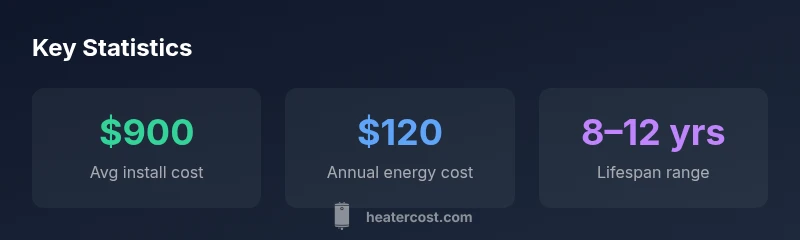
Upfront costs for an above ground electric pool heater generally include the unit and installation, while ongoing costs are dominated by electricity use. Heater Cost analyses in 2026 show a broad price range depending on wattage, efficiency, and features like adaptive temperature controls. Energy efficiency improvements come from insulating the pool and heater housing, using a precise thermostat, and leveraging a pool cover to reduce nighttime heat loss. In many cases, households with smaller pools or milder climates may find electric heaters a cost-effective option, especially when electricity rates are competitive and you maximize heat retention through proper cover usage.
Maintenance, safety, and warranties
Routine maintenance for an above-ground electric pool heater is relatively straightforward but essential for longevity. Regularly inspect electrical connections for corrosion or wear, clean any debris near the intake, and test safety switches and GFCI functionality. Keep the unit dry and protected from the elements, and follow manufacturer guidelines for annual service. Warranty terms vary by brand and installation quality, so document professional installation and keep records for future service or replacements. Following these practices supports reliable operation across seasons.
Troubleshooting common issues
Common issues with above ground electric pool heaters include insufficient heating, erratic temperature control, tripped breakers, or nuisance shutdowns. Start by checking the thermostat settings, ensuring the breaker hasn’t tripped, and inspecting the electrical connections for looseness or moisture ingress. If heat output remains inadequate, verify water flow through the heater—restricted flow can significantly reduce performance. When problems persist, consult a qualified technician to check internal heating elements and controller integrity without risking electrical safety.
Seasonal operation and heat-up times
Seasonal operation often dictates how aggressively you heat your pool. In shoulder seasons or cool nights, you may run the heater for longer periods with shorter cycles to maintain comfortable temperatures. Heat-up times depend on pool size, starting water temperature, and outdoor climate; a small, well-insulated pool will reach the target temperature faster than a large, uninsulated one. To improve efficiency, combine a properly fitted pool cover with solar gain optimization and a programmable timer that aligns heat cycles with your usage patterns.
Planning checklist before you buy
Before purchasing an above ground electric pool heater, complete a quick planning checklist:
- Determine pool volume and current water temperature baseline
- Assess available electrical service and required wiring upgrades
- Estimate yearly energy costs using local electricity rates
- Choose a model with appropriate wattage and a reliable controller
- Plan for proper installation location, weather protection, and easy service access
- Review warranty terms and service options to minimize long-term costs
Key specs for above-ground electric pool heaters
| Feature | Typical Range | Notes |
|---|---|---|
| Heating capacity (BTU) | 40,000–100,000 | Depends on model and pool size |
| Power draw (kW) | 3–11 | Typically 220V or 240V supply |
| Efficiency rating (EF) | 0.75–0.95 | Higher is better |
| Typical unit cost | $1,000–$2,500 | Excludes installation |
Got Questions?
What is an above ground electric pool heater?
An above ground electric pool heater is a compact unit designed for above-ground pools that heats water using electric resistance and a controller. It is connected to a standard electrical service and leverages safety features to maintain desired temperatures.
An above-ground electric pool heater is a compact heater for above-ground pools that uses electricity to heat the water and is controlled by a thermostat.
Are electric heaters cost-effective compared to gas heaters?
Electric heaters often have higher operating costs in regions with expensive electricity, but can be cost-effective for small pools or milder climates. Gas heaters heat faster and may be cheaper to operate where fuel is inexpensive. Compare total lifecycle costs for your scenario.
Gas heats faster, but electricity costs depend on local rates; compare lifetime costs for your situation.
How do I size an above-ground electric pool heater?
Size hinges on your pool’s volume, typical climate, and desired heat-up time. Use a sizing chart or calculator, and consider insulation and covers to reduce heat loss.
Size depends on your pool size and how warm you want it, plus climate and insulation.
Is installation difficult, or should I hire an electrician?
Most installations require a dedicated circuit and adherence to local codes. A licensed electrician or qualified pool technician is recommended to ensure safe, compliant wiring.
Have a licensed electrician install it to ensure safety and code compliance.
What maintenance does an above-ground electric pool heater require?
Regular inspections of electrical connections, safety devices, and water flow paths help prevent failures. Clean surrounding areas, test GFCI protection, and schedule annual service with a qualified technician.
Inspect connections, test safety devices, and keep it clean and serviced yearly.
What affects heat-up time for an above-ground heater?
Heat-up time depends on pool size, desired temperature rise, ambient temperature, and heat retention strategies like covers. Larger or colder pools take longer to reach target temps.
Larger pools or colder weather mean longer heat-up times.
Can I use an above-ground electric pool heater year-round?
Yes, with proper sizing, insulation, and active climate control. Expect higher operating costs in colder months and plan for seasonal shutdown or lower setpoints when the pool is unused.
You can use it year-round if you’re prepared for higher energy use in winter.
“Selecting the right above-ground electric pool heater means balancing pool size, climate, and electrical availability. Efficient models compound savings over time and reduce operating costs.”
The Essentials
- Anticipate total costs: upfront + yearly energy
- Size the heater to pool volume and climate
- Electrical install requires a dedicated circuit
- Regular maintenance extends heater life